
Smart choices for small spaces allow home owners to create a home space that is fully functional and not restricted due to its sheer size. There are many ways for home owners to do so easily. Listed below are some of the most simple ways to do so.
Smart Choices For Small Spaces 1: Go For Multi-Functional Surfaces
One of the best design decisions you can make in tiny kitchen areas is to seek for multi-functional surfaces. Besides serving as conventional countertops, these surfaces also function as dining tables, prep stations, and even work-from-home desks.
For city condos, studio units, or small houses, this solution provides the most use without requiring extra square footage, making it perfect. As they do not chip, scratch, stain, and are long-lasting and low-maintenance, materials like quartz, solid surface, and high-pressure laminate are ideal choices for multi-use. Even more convenience ensues when decluttering of space is carried out through the combination of multi-purpose countertops with smart cabinetry designs like built-in storage behind a peninsula or pull-out cutting boards.
When harmonising countertops with cabinets, give careful attention to unified finishes and complementary colour schemes that visually bind all together. A waterfall-edge quartz counter, for example, might seamlessly integrate into cabinetry in the same tone or texture, therefore producing a coordinated and streamlined look. For small kitchens, islands or breakfast bars with built-in storage and seating are ideal since they provide a space-saving answer combining design and utility. The secret is to select surfaces that allow for several applications without affecting the general aesthetic of the area.
Giving multi-functional design top priority helps one not only conserve space but also boost the kitchen’s daily task suitability. Every inch matters in small kitchens, therefore carefully designed multi-functional countertops can greatly improve cabinet harmony as well as usability.
Smart Choices For Small Spaces 2: Use Reflective Finishes Strategically
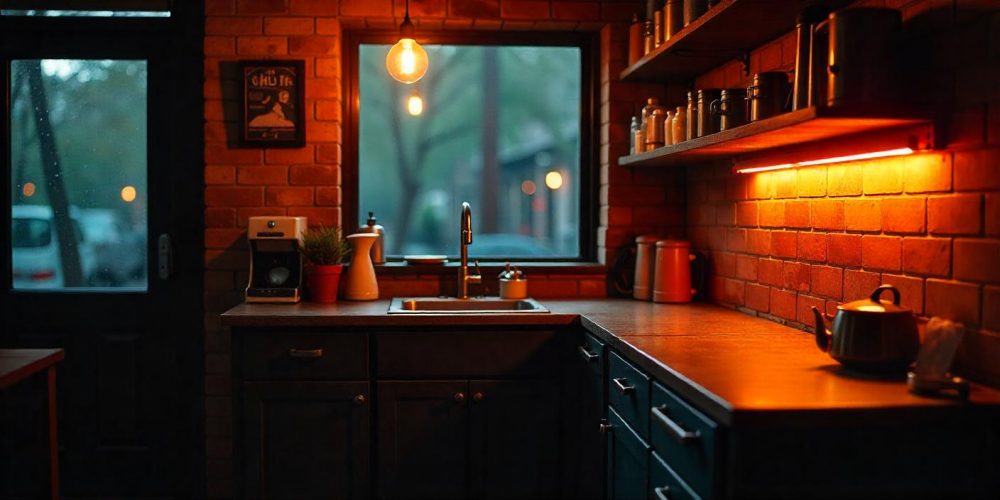
Small kitchens can be harmonised by using reflective finishes strategically, which is among the smartest design techniques. Light is especially important in small kitchens for improving the impression of openness; reflective surfaces may greatly help to achieve this.
Glass-smooth glass backsplashes, stylish cabinet fronts, or even glass-smooth stone worktops can bounce light around the room, thereby opening and illuminating the space. With coordinating or complementary surfaces like quartz or polished granite, pale finishes in colours like cream or white can provide a silky, seamless look. One must, however, achieve the right balance — too much shine may either overpower the room or cause glare.
@ampquartzcabinets Dapur banyak barang pun tak nampak bersepah kalau ade hidden storage macamni kan? 😍 #AmpQuartz #KitchenCabinet #Aluminium #Hiddenstorage #pov #fyp #foryoupage
A wise way is to mix matte finishes with reflective components for elegance and contrast. A modern, stacked look may be achieved, for instance, by combining glossy top cabinets with matte lower cabinets and a polished countertop. Moreover, high-sheen hardware or mirrored cabinet inserts can gently impart reflective value without overshadowing the design. These little but intentional decisions improve the room’s depth perception as well as its visual appeal.
Especially useful in hectic, space-constrained kitchens, reflective surfaces also have the practical advantage of being simple to clean. Reflective surfaces, when carefully combined, provide a practical and attractive answer that makes tiny kitchens seem more open while yet keeping a cohesive, modern appearance. This method turns small square footage into a fashionable and practical cooking area.
Smart Choices For Small Spaces 3: Think Compact But Cohesive
The idea of think compact but cohesive can greatly improve a small kitchen’s usability and look. Compact areas need deliberate design, and a good way to stop the space from looking congested or stressful is to create visual harmony between cabinets and counters.
A harmonious colour scheme is essential; selecting matching or complementary hues for cabinets and countertops will help to simplify the appearance. Soft grey quartz worktops together with light grey matte cabinets, for instance, produce a serene, flowing surface that increases the viewed space. Steer clear of dramatic contrasts; rather, choose for subdued variations inside the same colour family or use gentle accents to disrupt monotony.
Compact means not sacrificing elegance; slender, handle-free cabinet fronts and a slim-profile countertop provide a modern and minimalist atmosphere. Choose materials that are both elegant and space-saving, like quartz or solid surface, so as to emphasise utility. They offer resistance without visual heft. To preserve clean lines and make more preparation area, think about under-mount sinks or combining gadgets. Glass-front upper cabinets or open shelves can help the top half of the kitchen seem lighter and give the space a taller appearance.
Under-cabinet or counter-over lighting helps to illuminate and visually open the space by means of strategic placement. Thinking small but cohesive is ultimately about making sure every design feature works together, so creating a kitchen—despite its size—that is welcoming, organised, and spacious. A small kitchen is really clever because of this deft balance between design and usefulness.
Smart Choices For Small Spaces 4: Add Visual Interest Through Texture
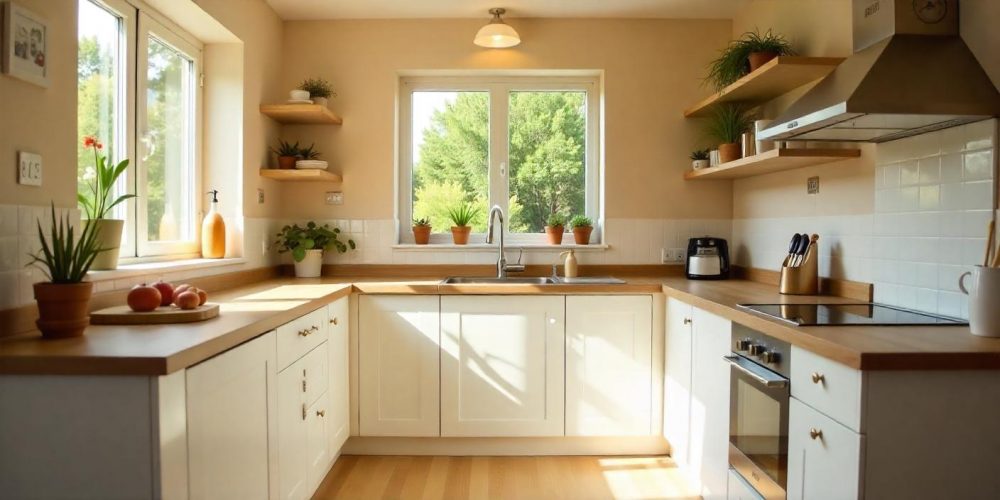
In little kitchens, using texture to create visual appeal is a delicate yet clever approach to improve design without dominating the space. Texture adds depth and personality, producing a multi-layered appearance that prevents a small kitchen from feel boring or flat.
One great way is to combine smooth countertops like solid surface materials or polished quartz with cabinets offering tactile components such wood grain, fluted panels, or matte lacquer finishes. This difference attracts the eye and provides visual interest all while keeping a consistent colour scheme. Light oak cabinets with a noticeable grain will beautifully offset a white quartz countertop with soft veining, therefore adding warmth and depth. Or, a modern but warm look can be achieved with the pairing of concrete-look countertops and ribbed cabinet doors in subdued colours.
@ampquartzcabinets Smart details can bring you a smart kitchen 😎 Best kan kalau dapur macamni? #Ampquartz #smartkitchen #cabinetmaker #fyp #fypage
In small kitchens, such textures are more than merely aesthetically effective; they lead the eye and create movement that can make the space feel larger and more dynamic. Subtle elements like textured tile backsplashes, woven baskets, or brushed metal knobs help create this multi-dimensional effect. The answer is balance: too many strong textures at once would clutter a tiny area. Choose one or two complementary textures instead to bring the design together.
Styled carefully, textured countertops and cabinets make a little kitchen into a chic, welcoming environment that feels custom-made, therefore demonstrating that with the correct textural play even small spaces can be high on both utility and aesthetic appeal.
Smart Choices For Small Spaces 5: Stick With A Unified Material Or Finish
In smaller spaces, being consistent in one material or finish helps to harmonise kitchen countertops and cabinets — one of the greatest design tricks in smaller kitchens, visual clutter may cause even the space to feel smaller; thus, using countertops and cabinets made from the same material, colour, or finish helps to create a clean, streamlined appearance.
For instance, incorporating matte-finished cabinets along with an equally matching restrained matte counter offers a smooth, seamless look that does not burden the eye. Alternatively, using wood-look laminate for both the cabinetry and the countertop can bring warmth and uniformity without the heaviness of real wood. An even finish also improves the kitchen’s overall flow, so making it more organised and open. Especially in little kitchens, where they visually enlarge the space, monochrome palettes such as all-white or soft greys will work.
Choosing contrast is one thing; maintaining finishes consistent — for example, combining glossy cabinets with shiny countertops helps to preserve unity and balance. In addition to making the kitchen look bigger and more organised, this technique gives it modernism and design intentionality. Maintaining unified finishes is also simpler as like materials usually have the same cleaning techniques and wear patterns.
Simple but effective, unifying countertops and cupboards by means of a single finish adds clarity, sophistication, and spatial efficiency to little kitchens. It’s a technique that combines form and utility to maximise every inch without compromising elegance.