
The sustainable kitchen is a great way to create a kitchen space that is green and good for the environment. There are many reasons for home owners to create a sustainable kitchen. Listed below are some of the best ways to do so.
The Sustainable Kitchen 1: Durability And Quality
The emphasis on quality and durability of a sustainable kitchen is one of its main advantages; this makes it suitable for your house and the earth. Sustainable kitchens give first consideration to materials and goods designed to endure, therefore lowering the requirement for regular replacements and cutting trash over time.
Sustainable kitchen design usually includes tough surfaces like recycled quartz countertops, bamboo or reclaimed wood cabinetry, and stainless steel fittings instead of inexpensive, disposable parts. These materials not only resist wear and tear but also provide ageless elegance that outlasts fleeting trends. From an environmental perspective, durable goods cut carbon footprints by means of lower manufacturing and transportation resource use.
For homeowners, this translates into cost savings and peace of mind, knowing their kitchen will perform well for years with minimal maintenance. Quality workmanship in sustainable kitchens guarantees better performance doors line correctly, drawers glide easily, and materials age gracefully. Additionally supporting ethical manufacturing processes, usually guaranteeing safer working conditions and more responsible sourcing of raw materials, investing in high-quality, eco-conscious items helps.
Choosing durability above disposability eventually moves away from the fast furniture mentality and toward a more deliberate, ethical lifestyle. Creating a kitchen that holds the test of time helps you to more dependable home environment but also helps to a more healthy planet by making durability and quality core principles of real sustainable living.
The Sustainable Kitchen 2: Increased Home Value

One of the most alluring benefits of a sustainable kitchen is its ability to increase the value of your home, therefore making it a wise investment for those seeking to future proof their house. Consumers give environmentally friendly features first priority when searching for a new home since they are now more aware of environmental issues and energy costs climb.
Low-VOC finishes, energy-efficient appliances, LED illumination, and water-saving fixtures in a well-designed sustainable kitchen not only reduce monthly power expenses but also project quality, modernity, and accountability. In addition to looking beautiful, sustainable materials such as bamboo cabinetry, recycled glass countertops, and repurposed wood flooring demonstrate durability and long run cost effectiveness. These characteristics appeal to ecologically conscious consumers, hence setting apart your home in a busy marketplace.
@ampquartzcabinets When the team’s trying to capture our latest RM100K+ aluminium kitchen masterpiece in Kempas, but I can’t resist stirring things up! 🤭 Trust me, you’d be playful too if your kitchen had 90% storage compartments—imagine all the snacks you could hide! 🍪 #AmpQuartz #DesignedByYou #BuiltByUs #KitchenGoals #JohorHomes
Furthermore boosting consumer confidence, green certifications or eco-labels on kitchen components frequently lead to faster sales and greater offers. Furthermore fitting with bigger lifestyle trends including healthy living, minimalism, and resource-conscious consumption all of which contemporary homebuyers actively seek a sustainable kitchen. Many times, real estate experts observe that homes with energy-efficient and sustainable upgrades often have a better return on investment than more basic renovations.
Designing your kitchen with the earth in mind lets you not only act ecologically but also create a long-lasting asset that retains—and even grows—its worth over time. Through this, sustainability raises both your living quality and the market worth of your property, demonstrating that it is really beneficial for your home and the Earth.
The Sustainable Kitchen 3: Smarter Waste Management
One of the most effective advantages of a sustainable kitchen is better waste management, an attitude that helps your house and the environment. Because of little segregation of materials and absence of compost or recycling systems, waste in a conventional kitchen usually goes into landfills.
But a sustainable kitchen combines waste-conscious design elements that make environmentally friendly behaviours second nature. Built-in composting and recycling centres, for example, enable homes to separate organic trash, plastics, paper, and other recyclables effectively. This not only lowers the amount of garbage going to landfills but also promotes nutrient-rich composting that can be used in home gardens.
Furthermore, sustainable kitchens usually include storage meant to cut down on food waste, such transparent containers, clever refrigerators, and organised pantry systems that aid to monitor expiry dates and lower spoilage. Motion-sensor faucets or refillable soap dispensers help reduce unneeded packaging and disposable plastic even in modest ways. Families find it easier to live sustainably every day when smart waste management encourages deliberate buying, good food storage, and effective disposal practices.
These habits progressively reduce household environmental footprint, save resources, and cut greenhouse gas emissions from garbage decomposition over time. One conscientious habit at a time, waste management becomes a proactive, flawless aspect of daily life as part of a well-designed sustainable kitchen, so enabling you to produce a cleaner house and help to create a healthier planet.
The Sustainable Kitchen 4: Promotes a Circular Economy
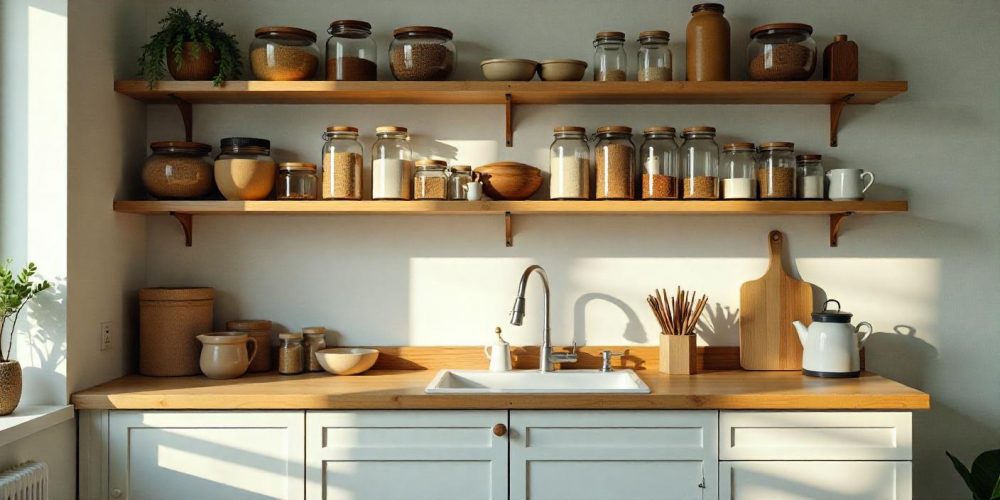
One of the major benefits of a sustainable kitchen is that it promotes a circular economy—a system intended to minimise garbage and maximise resources. A circular economy gives reuse, recycling, and extension of goods and materials’ lifetime top importance unlike the traditional linear model of take, make, dispose.
In the context of kitchen design, this can mean selecting modular cabinets that can be repaired or reconfigured instead of changed, using recycled or reclaimed materials for work surfaces and flooring, and choosing appliances made to endure and simple to maintain. Sustainable kitchens help manage garbage at origin level by usually include compost bins, recycling centres, and refillable storage solutions to reduce the dependency on disposable packaging.
@ampquartzcabinets Sweet lah husband ni 🥰 #Ampquartz #JohorBahru #kitchencabinet #ledlighting #pov #fyp #fyppage #fyppppppppppppppppppppppp #husband #wife
Homeowners reduce their environmental impact and demand for virgin resources by supporting sustainable, non-toxic materials such stainless steel, bamboo, or FSC-certified wood. Little decisions such changing to recyclable towels instead of paper ones help to develop the circular approach. Over time, this method will help you to have a more economical and efficient space as well as reduce the environmental impact of your kitchen.
Promoting a circular economy ultimately helps to change household habits toward sustainability and supports more general environmental objectives via kitchen design. Turning the heart of the home into a paradigm of responsible living that helps both your family and the earth is one great way to make a difference.
The Sustainable Kitchen 5: Conservation of Natural Resources
A significant advantage of a sustainable kitchen is the preservation of natural resources, a major element that helps long-term home efficiency as well as environmental health. Sustainable kitchens are built with resource-conscious decisions in mind: using less water, energy, and raw materials without compromising performance or style.
For instance, adding energy-efficient dishwashers and water saving faucets greatly lowers domestic water use. Similarly, energy-efficient appliances like induction cooktops and LED lighting use less electricity, relieving strain on fossil fuel powered grids. Selecting environmentally friendly building materials such as recycled glass countertops or bamboo cabinets lowers demand for virgin resources and minimises deforestation and mining effects. Reducing single use product use also depends on even little changes like using refillable containers or reusable kitchen towels.
Reducing greenhouse gas emissions, preserving freshwater, and preserving limited natural resources help the earth by means of these sustainable behaviours. Simultaneously, they help to create a more cost-efficient and future-proof home by lowering utility costs and lowering the need for regular replacements. Sustainable kitchens also help people to become more aware and practice sensible consumption in everyday life by prompting them to consider the life cycle of their products and materials.
Finally, conscious kitchen design and habits help to conserve natural resources, hence guaranteeing that your kitchen continues to run well for years to come and so integrating modern living with ecological responsibility. It offers a sensible approach to preserve the earth while also building a better, more intelligent home.