
The homeowners handbook for a clean and neat kitchen allows the home space to always be hygienic at all times. There are many tips to follow for home owners to keep a neat home. Read more to find out.
Homeowners Handbook 1: Adopt a Clean-As-You-Go Habit
Adopting a clean as you go approach is among the best habits for keeping a spotless, sanitary kitchen. This approach motivates homeowners to clean in real time as they prepare meals or cook instead of letting messes accumulate and fighting them all at once.
After every job, wipe down cutting boards and counters; rinse tools right after use; and immediately throw food waste into the compost or bin. This not only stops food particles from hardening and becoming more challenging to clean later, but it also reduces the movement of germs on surfaces. Keeping a microfibre cloth and a weak disinfecting spray close at hand helps one to immediately address crumbs or spills.
Small batch dishwashing while waiting for something to simmer or bake can greatly lower the post cooking load. Maintaining a more tranquil, more ordered cooking area where tools and ingredients are easier to find and use efficiently also benefits from this regimen. Particularly when working with raw meat or sticky components, clean as you go also promotes awareness and emphasis on cleanliness.
It guarantees that you are not cross contaminating tools, boards, or surfaces, therefore critical for food safety. This habit gradually becomes second nature and turns kitchen cleaning from a hated chore into a flowing, flawless component of your cooking rhythm. Homeowners who keep little messes under control may always have a kitchen that is fresh, clean, and welcoming — without a huge end-of-day cleanup necessary.
Homeowners Handbook 2: Declutter Your Surfaces
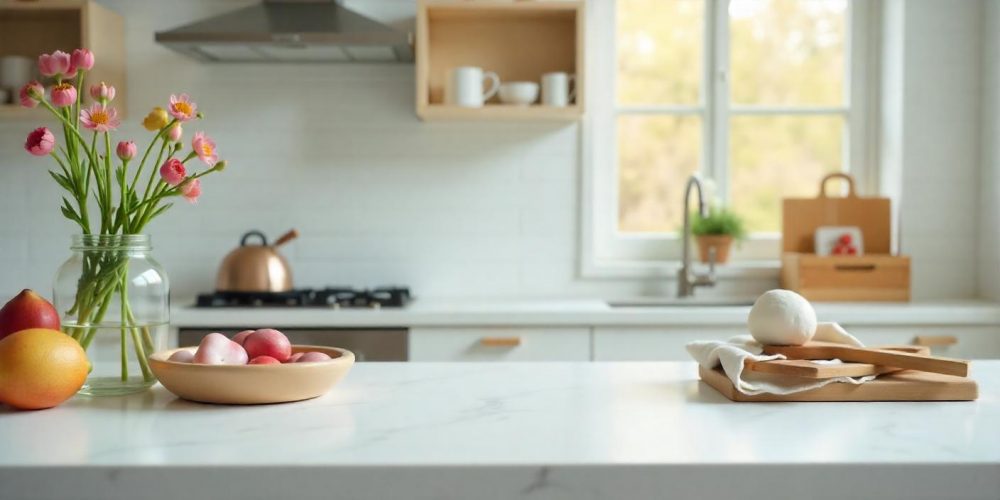
One of the most effective suggestions from The Homeowner’s Handbook to a clean, hygienic kitchen is decluttering your surfaces. Clear countertops not only improve the open and neat look of your kitchen but also reduce locations where germs, trash, and crumbs might accumulate.
When your counters are covered with devices, tools, letters, or pantry goods, cleaning becomes more difficult and less thorough. Eliminating pointless things and storing them in cupboards or drawers helps you to create a tidy, more functional room. Beginning with assessing which goods you actually use daily such as a coffee maker or toaster — think about stowing the rest.
@ampquartzcabinets Sweet lah husband ni 🥰 #Ampquartz #JohorBahru #kitchencabinet #ledlighting #pov #fyp #fyppage #fyppppppppppppppppppppppp #husband #wife
To keep utensils and kitchen implements stored but easily reached, arrange them using labeled containers or drawer organisers. Including vertical storage options like magnetic knife strips or wall mounted shelves can also open up counter space. Regularly wiping down surfaces with a light disinfectant also helps stop the spread of infections, especially after food preparation. Maintaining clean surfaces motivates daily cleaning practices and helps one to identify crumbs or spills.
Aside from looking more sanitary, a decluttered kitchen fosters it and speeds up and improves your work flow during cooking as more space to prepare meals without pushing things away promotes it. In essence, a simple but potent move toward keeping a clean, healthy kitchen that encourages both cleanliness and mental comfort is a clutter free countertop.
Homeowners Handbook 3: Organise Food Storage Smartly
One of the most efficient methods to have a clean, sanitary kitchen is deliberate food storage organisation. Apart from decreasing food waste, a well-stocked pantry and refrigerator control cross contamination and microbial development.
Begin with organising items and allocating specific locations: meats on another shelf, dairy on one, and spices in the door. Fresh meats should always be kept in leakproof containers on the bottom shelf of your refrigerator to stop blood from contaminating other foods. Clear, airtight jars allow you to check for freshness of dried foods and leftovers as well as see what’s within.Date everything to prevent keeping expired items too long.
Under a “first in, first out” method, put newer items behind old ones so the latter get used first. Organise comparable foods together to lessen the need to search everything; this helps to save time and lowers mess. Keep frequently used goods reachable. Make use of vertical room for pantry storage with risers or stackable bins; avoid overcrowding. Check expiration dates often and conduct a brief weekly cleaning to help maintain order.
A clean pantry and refrigerator helps to keep a healthier kitchen environment and deters bugs. Monthly wiping of shelves and drawers with a weak disinfectant also helps to get rid of spills and crumbs. Smart food storage is a basic habit that promotes hygiene, lowers waste, and turns your kitchen into a more efficient and enjoyable place to work every day. It’s not just about cleanliness.
Homeowners Handbook 4: Zone Cleaning System

Among the most effective approaches to maintain a spotless, clean kitchen is adopting a zone cleaning system. Following this approach to deep clean one area at a time helps you divide your kitchen into useful zones like the cooking area, prep zone, sink zone, pantry, refrigerator, and little appliances.
Splitting the kitchen into small parts guarantees that every surface is meticulously cleaned and helps you to avoid the oppressive sensation of having to clean everything at once. Monday could be for stovetop, oven, and neighbouring countertop cleaning; Tuesday for inside refrigerator wiping down and expired goods inspection; Wednesday for sink cleaning and counter arrangement. This system helps you to maintain a regular and effective cleaning plan, hence lowering the complexity of maintaining cleanliness without spending a full day.
@ampquartzcabinets Bawah sinki kosong? Buat U-Drawer macamni dengan kami 🤩 #AmpQuartz #JohorBahru #drawer #storage #sink #fyp #fyppagee
Early on, it also helps you spot wear and tear or accumulation like grease accumulation, mildew under the sink, or pantry pests before they become more serious. Best results come from combining this approach with basic behaviours like daily countertop wiping, quick dish cleaning, and regular food trash removal. Use food-safe or non-toxic cleaners for food preparation surfaces; microfibre cloths are perfect for dusting and washing to prevent bacterial transfer.
The zone cleaning system helps food safety and overall home health in addition to keeping your kitchen aesthetically clean by avoiding cross contamination and bacteria development. Time makes it natural and significantly reduces the labor needed for more comprehensive cleaning days.
Homeowners Handbook 5: Easy-to-Clean Materials
One of the most successful long-term strategies is a spotless, clean kitchen, made possible by the choice of simple-to-clean materials. Reduced daily maintenance needs and a better cooking environment depend on resilient stains, humidity, and bacteria resistant surfaces.
Nonporous and inherently resist germs, dirt, and liquids, quartz and Silestone counter surfaces are well-known options. Because they won’t absorb spills like porous materials like natural stone or wood will, these surfaces are perfect for kitchen preparation. Commonly used in commercial kitchens, stainless steel is another really clean choice because of its rust resistance and simple sterilisation; simply wipe it with a moist cloth and mild soap.
Glazed ceramic tiles are useful in addition to being very durable and simple to clean for walls and backsides. Choose acrylic or laminate finishes for cupboards; they repel grease and are easily wipeable without damaging the surface. Your floors also matter; wood is less suited for kitchens than vinyl and tile which are more readily maintained and resistant to moisture.
Selecting things that can withstand everyday incidents free of stains, odours, or bacteria is essential. These items will not only help to keep your kitchen spotless but also cut stress and simplify your cleaning regimen. Designed thinking with cleanliness in mind automatically incorporates it into your kitchen’s operation.