
Design a kitchen based on your aesthetic and efficiency goals to ensure that the space work well on a daily basis. There are many ways for home owners to do so for their home kitchen. Continue reading to learn more.
Design A Kitchen 1: Customise Countertop Heights
Customising your countertop elevations according on your kitchen use is among the most under appreciated yet effective methods to create one really suited for you. The normal countertop height is roughly 36 inches, but this one size fits all approach might not be ideal for everyone.
If you are tall, you might naturally crouch over; if you are shorter, chores like chopping vegetables or kneading dough may progressively grow uncomfortable. Customising counter heights to fit your particular demands improves both comfort and productivity. A reduced countertop at roughly 30 inches, for instance, can make a perfect baking station for rolling out dough; a somewhat higher prep surface up to 39 inches can make chopping and slicing easier and lessen strain on your back.
To define specialised areas for several activities, you may also think about changing countertop elevations inside of the same kitchen. For homes with multiple users or accessibility needs, flexible or stepped counters might be a great option. Additionally, appliances have to be taken into account; for instance, dishwashers can be mounted a little bit higher to reduce the need to bend down.
Countertop heights thoughtfully set not only improve work efficiency and ergonomics but also mirror a kitchen design fit to your own lifestyle and culinary approach. Arrangements around your demands finally ensure your kitchen seems more like a bespoke, functional space rather than a standard one, therefore bringing both comfort and pleasure into daily life.
Design A Kitchen 2: Plan for Multiple Work Zones
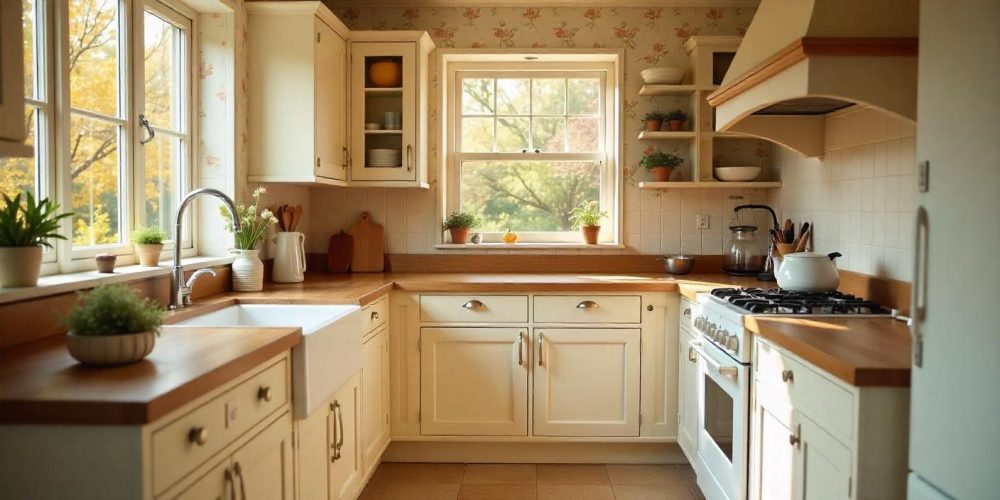
Planning for several work areas is among the most efficient means to create a kitchen ideally suited for you. Beyond the conventional work triangle, this approach looks at how your kitchen might simultaneously support several tasks or individuals.
A well-zoned kitchen guarantees that food preparation, cooking, baking, and cleaning are done effectively without bottlenecks or overlap. For example, have knives, cutting boards, and mixing bowls within reach while assigning a prep area with lots of counter space next the refrigerator for chopping vegetables. With pots, pans, and tools close by, a dedicated cooking area should centre on the oven or stove.
@ampquartzcabinets Tips untuk yang suka cabinet nampak aesthetic 😍 #AmpQuartz #kitchencabinet #dapuraesthetic #dapurminimalis #fyp #fyppage
♬ Best for video background music Chill Trap Hip Hop(837066) – KIh
Creating a baking station with simple access to the oven, a lower counter height for kneading, and storage for mixing equipment will transform the lives of those who love to bake. Remember a cleaning zone filled with dish storage and equipped with cleaning products and around the sink and dish washer. Should space permit, a second zone with a tiny sink or prep area could greatly simplify family cooking or entertaining.
Including several work areas not only increases utility but also lowers safety by avoiding crowding and permitting simultaneous execution of different chores. Good zoning will turn your kitchen into a very effective and pleasant area to cook, clean, and interact whether your room is little or vast, open plan style. Design centred around your daily kitchen habits ultimately yields a place that effortlessly supports your way of living.
Design A Kitchen 3: Maximise Storage Space
Creating a kitchen that exactly matches your requirements requires making use of all of the room you have. Apart from its visual value, a well-organised kitchen improves output and reduces mess. Start by increasing vertical area.
For less frequently used goods, put in tall cupboards reaching to the ceiling. Replace pullout shelves and deep drawers in place of more traditional bottom cupboards to simplify storing of pots, pans, and food goods. By drawer organisers for cutlery, dishes, and spices, keep everything in its proper place. By storing large pans and pots on overhead racks, cabinet space below is opened up. Install corner solutions like lazy Susans or magic corners to make full advantage of hard-to-reach locations, rather than ignore them.
Consider adding open shelves or a kitchen island with built-in cabinets to gain more space. Small kitchens can keep cooking utensils stored on wall-mounted rails or pegboards, therefore releasing much-needed drawer room. Built-in dividers for trays, baking pans, and cutting boards improve use without losing beauty. If you have room, a tall pantry cabinet or pullout pantry system will neatly and visibly keep dry goods.
The key is to match the size of your home and cooking frequency to your storage. You construct a kitchen that is very practical and visually appealing by making the most of every inch of space, seen or hidden, so allowing you to work more quickly and relish the cooking process with simplicity.
Design A Kitchen 4: Choose Appliances That Suit Your Lifestyle
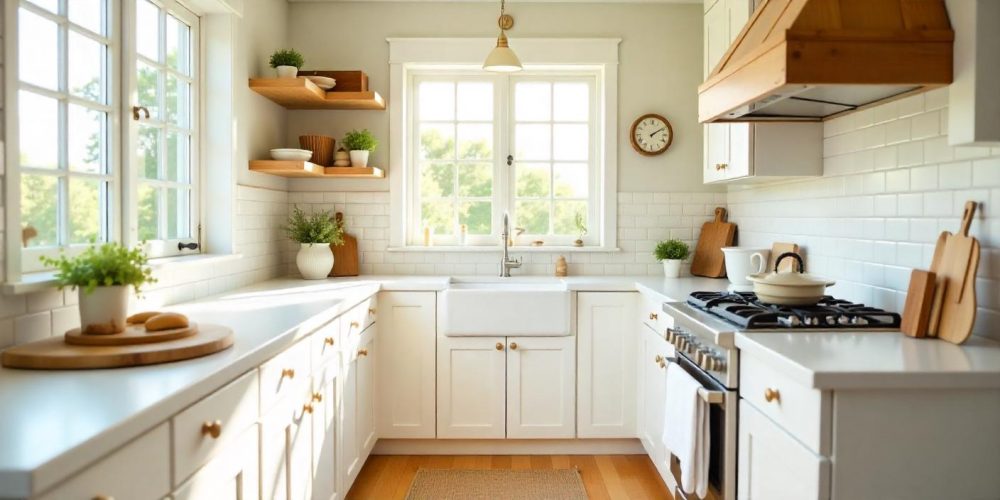
Choosing devices that suit your way of life is among the most crucial decisions you will take when designing a kitchen that actually fits your needs. Apart from looks, this level is about practical and ongoing functionality.
Double ovens or huge refrigerator capacity, for example, may be essential if you wish to cook meals ahead of time and store food for parties. Conversely, a small apartment compact kitchen may gain more from space saving appliances such a two in one microwave convection oven or a slimline dishwasher. Smart devices like WiFi enabled ovens or refrigerators with built in food management systems might be preferred by hectic homes.
@ampquartzcabinets New accessory in our showroom! Onz ke tak onzz? 🥳🤩 #AmpQuartz #tvconsole #hiddentv #johorbahru #fyp #fyppage
If you consume a lot of coffee, including a built-in coffee machine will streamline your daily schedule. Energy efficiency is another important consideration; choosing devices with strong ratings helps reduce your carbon footprint and cut your energy bills. Consider upkeep as well; finger print resistant finishes and easy to clean designs will save time on servicing. Fit the size and function of every appliance to how frequently and strongly you utilise it.
Trends should not be your guide if they do not fit your needs; an extra six-burner range looks great, but if you hardly ever cook for two or more, it may just use valuable room. Matching your equipment decisions to your daily routines guarantees your kitchen runs smoothly and delivers pleasure rather than a source of aggravation.
Design A Kitchen 5: Don’t Skimp on Ventilation
Not to cut back on ventilation is among the most under appreciated but absolutely necessary aspects in designing a kitchen that genuinely suits for you. Especially if you use pungent ingredients or cook frequently, a good ventilation system assures your cooking area remains fresh, clean, and inviting.
By eliminating extra heat, smoke, oil, and airborne particles, good ventilation helps to extend the life of your kitchen surfaces and raises the air quality. One of the best investments is a premium range hood that circulates air outside rather than just internally. Choose a hood with a high rating appropriate for your cooking approach; wok style or frying meals need more potent extraction.
To go with your kitchen style, think about the hood’s positioning and appearance — under cabinet, wall mounted, or built into an island layout. Open concept houses particularly need effective ventilation to stop persistent smells from entering living spaces. Add operational windows or an exhaust fan to your range hood for extra ventilation as necessary. Look for calmer models to preserve a nice vibe, particularly in kitchens utilised as social areas.
Besides increasing your pleasure in cooking, good ventilation safeguards your cupboards, walls, and appliances from wet damage and sticky residue.. Cutting on ventilation could alter your comfort and the lifespan of your kitchens; hence, avoid viewing it as a afterthought. As a key element of your kitchen design plan, this ought to take the highest priority.