
HDB kitchen plan seeks to maximise limited space while maintaining elegance, practicality, and efficiency. Every element contributes to the development of a functional yet welcoming kitchen, from smart storage solutions to correct lighting and layout. This fundamental handbook guides Singapore residents in modernising their HDB kitchens into well planned areas fit for daily requirements.
HDB Kitchen Plan 1: Understand HDB Kitchen Layout Options
One of the most crucial first actions when designing your HDB kitchen is to know the several design possibilities since each one greatly affects your efficient use of the area. Corridor kitchens, galley or parallel kitchens, and increasingly popular open-concept kitchens are among Singapore’s most frequent designs.
Older HDB flats usually have corridor kitchens, which are long, confined area connecting two sections of the house. Though space may seem small, careful application of slimline cabinets and vertical storage can turn this design quite effective. Conversely, parallel or galley kitchens offer counters and cabinets on both sides, so producing a very effective workstation that helps you keep your cooking, cleaning, and preparation areas clearly separated.
For homes with lots of working surfaces and storage needs, this configuration is sometimes perfect. For contemporary homeowners who appreciate a social, integrated way of life, the open-concept kitchen has become a sought after alternative. Removing a wall or partition transforms the kitchen gracefully links with the dining or living room to promote interaction while cooking and provide a sense of space. This alternative, however, demands deliberate ventilation to control cooking smells.
The best arrangement finally relies on your family’s lifestyle and requirements whether you want to maximise storage, maintain a small kitchen, or combine it with public areas. Choosing a design that strikes the ideal compromise between comfort and utility depends on your daily usage of your kitchen and on a study of your HDB’s floor plan.
HDB Kitchen Plan 2: Maximise Space with Smart Storage
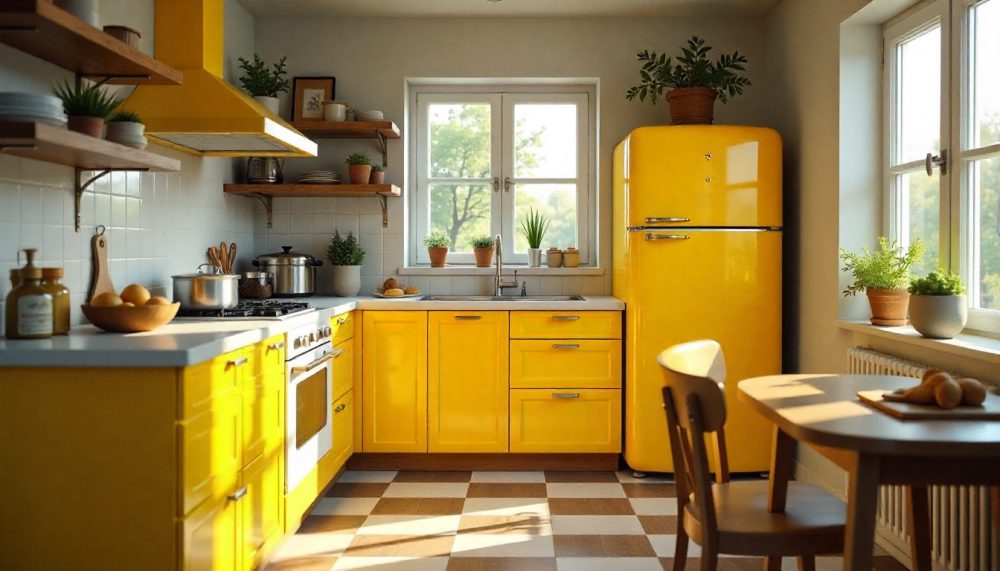 How to use every inch of available room with clever storage solutions is among the top considerations when designing a HDB kitchen. With most HDB flats’ small layouts, clutter can quickly gather if storage isn’t carefully thought out.
Use vertical height for storage of items not used daily, such as seasonal cookware or bulk groceries, by extending cabinets all the way to the ceiling — a simple but effective approach. Installing pullout drawers, tier racks, and dividers within the cabinets themselves aids in the maintenance of neatly arranged and quickly accessible utensils, pans, and supplies. For odd corners, magic corners, carousel shelves, or lazy Susans can change otherwise unused spaces into useful storage locations.
@ampquartzcabinets Introduce to you NEW SHOWROOM AT BANDAR DATO ONN! 🥳🎉 #AmpQuartz #newshowroom #johorbahru #cabinetmaker #fyp
Another creative choice, open shelving lets homeowners show frequently used goods and inject visual interest even while avoiding a cluttered appearance by balance. Adding slender pullout pantries or tall cabinets can also give focused area for condiments and dry foods without using too much floor space. For smaller appliances, special niches or appliance garages maintain a clean appearance and keep countertops clear.
The trick is to incorporate design with utility to guarantee tidy solutions that support the kitchen’s operation while maintaining its neatness. Homeowners can design an HDB kitchen that seems more spacious, efficient, and pleasant to use even in constrained square footage by maximising cabinetry, drawers, and hidden storage possibilities.
HDB Kitchen Plan 3: Plan for Proper Ventilation
Good ventilation is a need, not just a comfort feature, in every HDB kitchen particularly in view of Singapore’s tropical environment and the rich, flavourful character of Asian cuisine. Grease, smoke, and lingering smells can accumulate swiftly without adequate airflow, therefore rendering the area uninviting and more challenging to keep up.
Selecting the appropriate cooker hood is the beginning of a well-planned ventilation strategy. For HDB kitchens, a chimney hood or a slim hood with great suction power and simple-to-clean filters is best since it captures oil and reduces residue on walls and cabinets. For open concept kitchens, recirculating hoods with carbon filters can be helpful as they keep airflow while lowering odours. For maximum efficiency, positioning of the hood—make sure it is at the right height above the stove.
Furthermore improve air circulation by means of HDB approved window grilles and exhaust fans for natural ventilation. For little kitchens, natural ventilation coupled with mechanical systems strikes an energy-saving and efficient mix. Planning for ventilation should also incorporate moisture control to stop mildew development in damp areas. Good airflow helps cabinets and countertops last longer by preserving their durability despite daily cooking.
Investing in robust ventilation systems initially allows homeowners to have a fresher, cleaner, and more healthy kitchen while protecting their remodelling expenditure. Eventually, a well-ventilated HDB kitchen is about more than simply eliminating smoke; it’s also about improving comfort, cleanliness, and the general lifespan of the area.
HDB Kitchen Plan 4: Safety & Compliance
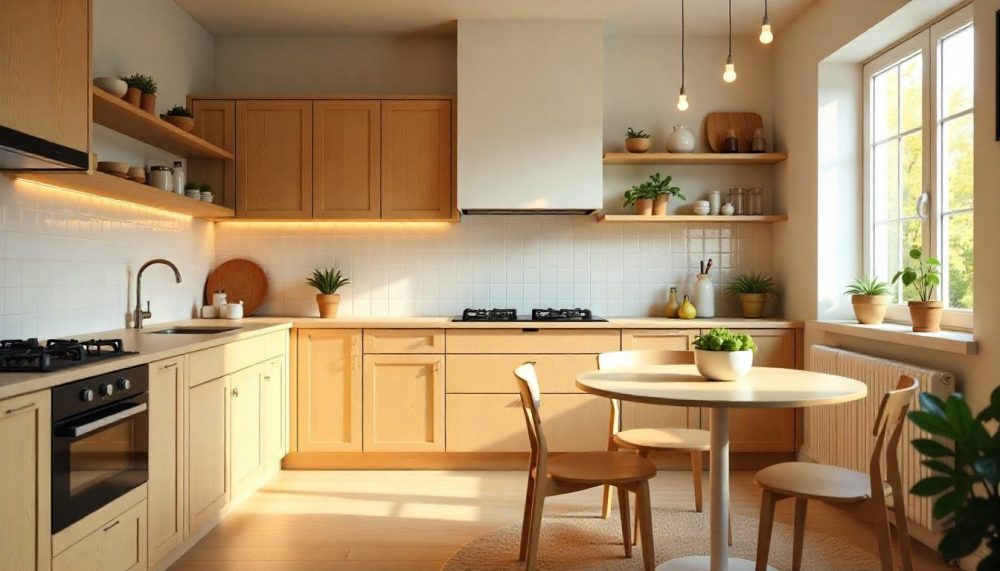 Top concerns when arranging your HDB kitchen should be safety and compliance since they guarantee not just a workable cooking area but also compliance with Housing and Development Board (HDB) rules. Many homeowners want to alter layouts, but it’s important to know which walls are load bearing and cannot be cut without permission.
Structural changes including moving pipes or altering gas lines call for permits, and to prevent expensive fines one must hire a licensed renovation contractor (LRC). Equally crucial is the design of wet and dry zones; wet spaces like the sink and washer must be properly watertight to stop water infiltration that could damage adjacent units. Offering both safety and long-term protection, flooring in these areas ought to be slip resistant and strong.
@ampquartzcabinets Senang kan? Yg nak pasang spice rack tu boleh pm kami 🥳 Ada special promo bulan Merdeka ni 🤩❤️ #AmpQuartz #spicerack #hiddenstorage #kitchencabinet #fyp
Also under compliance concerns are electrical and gas safety. A qualified electrician should put power outlets with enough distance for appliances like induction cookers, rice cookers, or air fryers, making sure water and electricity points remain separate. For piped gas consumers, only qualified gas service personnel should handle installations or moves.
Another compliance element is ventilation: installing an appropriate hood helps control smoke and grease, while windows and vents must stay unobstructed for fire safety. Finally, additional protection comes from observing fire safety rules by keeping stoves away from combustible materials and guaranteeing a clear escape path. Homeowners can have a secure, fashionable, and regulation-friendly HDB kitchen by juggling creativity with compliance.
HDB Kitchen Plan 5: Lighting & Electrical Planning
One of the most important but frequently ignored components of an HDB kitchen design is lighting and electrical planning. In a tiny place, a well-planned lighting design not only increases visibility but also enhances safety, mood, and usefulness.
Begin with ambient lighting as the base to guarantee the entire kitchen is uniformly lit devoid of dark corners. HDB apartments, where ceiling heights are usually low, benefit from recessed ceiling lights or simple track lighting. Task lighting is absolutely necessary to help with daily cooking chores; to directly illuminate countertops, sinks, and stovetops, set under cabinet LED strips or spotlights. This reduces shadows when cutting, cooking, or washing, therefore making food preparation more safe and pleasant.
To bring warmth and design into the kitchen’s general appearance, think about accent lighting such pendant lamps above a breakfast counter or gentle cabinet strip lights for an additional layer. Beyond lighting, electrical planning calls for practicality and foresight. Because HDB kitchens house many appliances ranging from rice cookers and air fryers to kettles and coffee machines — strategically locating plenty of power outlets is crucial.
Plan for higher load devices such as ovens or induction cooktops by choosing outlets with safety switches. Consider convenience by arranging outlets close to work areas rather than grouping them in one location. Plan extra outlets for new devices or smart appliances to future proof your kitchen. Smart lighting combined with effective electrical design guarantees your HDB kitchen is not just elegant but also very practical and flexible for years to come.