
Your dream kitchen is where design interacts with utility; it is the core of your house. Proper space planning’s blueprint guarantees that every inch is optimised for efficiency, comfort, and flow. From smart layouts to easy access, it turns your kitchen into a beautiful yet useful centre for daily life.
Your Dream Kitchen 1: Smart Storage Solutions
Right kitchen space planning depends on smart storage ideas that change your ideal kitchen into a clean and very useful hub. An elegantly planned kitchen works smoothly since every object has its place, not only seems great.
Smart storage emphasises every inch, from deep drawers that make pots and pans readily accessible to pullout cabinets and corner carousels. Another game changer is vertical storage, which uses tall cabinets, pull-out pantry racks, or even slender spice organisers to guarantee nothing is lost in between spaces. Hiding big appliances behind appliance garages or including storage within kitchen islands helps to keep a modern, clean appearance; these solutions have aesthetics as well as efficiency.
Further improving order are drawer dividers, hidden trash containers, and under sink organisers, which guarantees that everyday necessities are always within reach yet never in the way. Furthermore decreasing countertop clutter, a well chosen storage solution provides you with more food preparation and entertaining space. Apart from practical purpose, intelligent storage helps to create a stress-free cooking experience — imagine immediately locating cookware, supplies, and utensils without having to sort through packed cabinets.
These solutions raise the overall flow of your kitchen when well integrated, therefore producing harmony between functionality and design. Smart storage is, in essence, about expecting your lifestyle needs, be it you are a passionate cook looking for rapid spice access or a family needing extensive pantry capacity. It’s the specifics that turns a decent kitchen into a fantasy kitchen—one exquisitely, functional, and customised to you.
Your Dream Kitchen 2: Ergonomics & Comfort
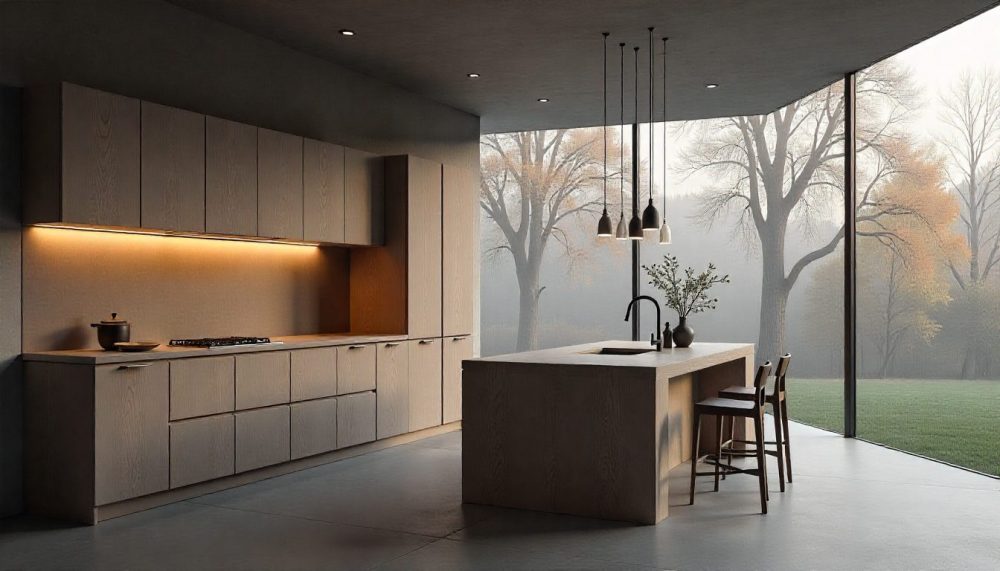 Ergonomics and comfort are frequently the unappreciated champions of good space planning when it comes to creating your ideal kitchen. Though a gorgeous kitchen may initially attract attention, one created with human mobility and simplicity in mind will have you loving it for years ahead.
Ergonomics aims to design a place that lowers strain, increases efficiency, and allows natural body motions. Countertop height is one of the most crucial considerations; too low and you’ll crouch as you prepare; too high and your shoulders become overloaded. Customising to your own comfort level can make a world of difference, even though standard heights suit many people. In the same way, cabinet location has a big effect on everyday comfort.
@ampquartzcabinets Yang guna quartz kat rumah boleh tengok video ni sampai habis! 🥰 #AmpQuartz #countertop #quartzstone #kitchen #fyp
To reduce bending or stretching, overhead cabinets should be within safe reach; often utilised objects should be best kept between shoulder and waist height. Drawers, especially deep pullouts for cookware, provide significantly more ergonomic than stationary lower cabinets. Comfort should guide placement of even appliances; a wall oven at chest level removes continual bending, and a dishwasher elevated somewhat off the ground lowers back strain.
Proper legroom and supporting designs for lengthy talks or family meals should be provided by island stools and breakfast nooks; thus, seating too warrants consideration. comfort with function transforms the kitchen into a place where cooking seems effortless, entertaining comes naturally, and daily activities pass without difficulty — beyond just a workplace. Ergonomics essentially guarantees that your ideal kitchen is not just beautiful but also enjoyable to operate daily.
Your Dream Kitchen 3: Future-Proofing Design
Future proofing design is among the most clever techniques in kitchen space planning since it guarantees your ideal kitchen remains pertinent, trendy, and functional for years to come. Though it would be tempting to just design for your current lifestyle, kitchens are longterm investments that must evolve with your needs.
Anticipating technological developments, expanding families, and even in-situ aging, a future proof kitchen prepares itself. For instance, modular cabinets or portable islands allow you to modify the area without costly renovations. Choosing classic rather than very contemporary materials and finishes guarantees your kitchen will not appear out of date after just a few years.
Furthermore crucial is storage growth planning: deeper drawers, movable shelving, and clever organisers work well for changing cuisine tastes or new equipment. The choice of energy-efficient appliances, smart lighting solutions, and USBC port-equipped outlets also helps to ensure your kitchen keeps up with modern life. Accessibility should be taken into account early on as well; lower cupboard pullouts, larger corridors, and contactless fixtures can make the area appealing for people of all ages.
Keeping future changes in mind, even plumbing and electrical designs ought to be developed to save money on subsequent installations. Mixing flexibility, strength, and originality, future proofing is mostly about designing a kitchen that develops alongside you. Planning ahead helps you to safeguard your investment and so guarantee that your kitchen stays the Future in addition to maximising present utility and convenience.
Your Dream Kitchen 4: Dining & Social Hub
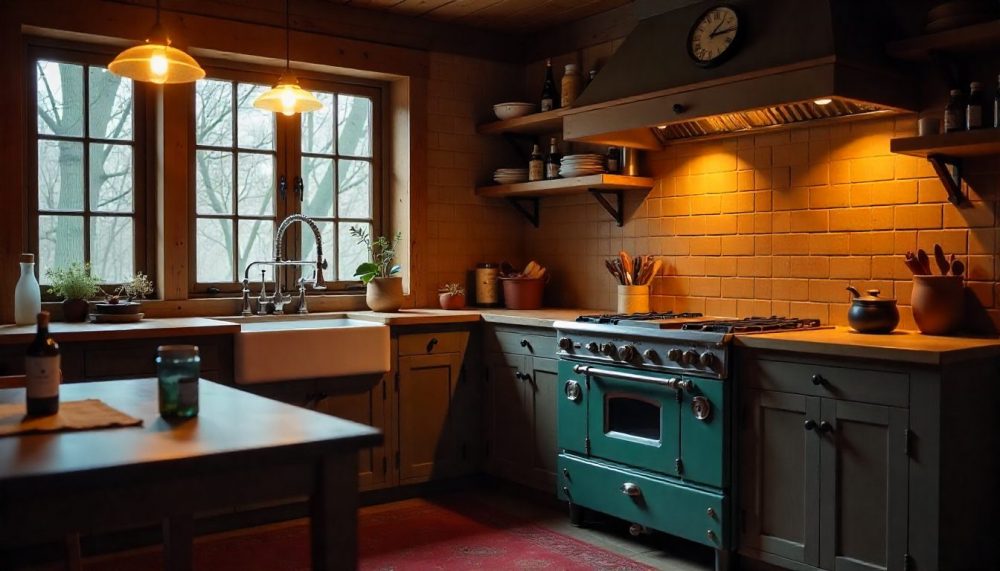 Often the centre of the house where friends and family congregate, dialogues flourish, and memories are created — a dream kitchen is more than simply a space for meal preparation. That’s why one should view the kitchen as a socialising and eating centre while designing a decent kitchen layout.
Incorporating design features that encourage connection turns a kitchen into a warm, multi-purpose room. Including a central island with bar stools turns a little eating space into great for quick food preparation and storage, for example. meals, children’s homework, or visiting entertainment while cooking. In a little breakfast nook or banquette seating by a window, natural light and heightened appreciation of daily meals may also be highly sought after.
@ampquartzcabinets Dah tahu kan? So wajib pasang jag kabinet dapur tu tau! #AmpQuartz #JohorBahru #KitchenCabinet #softclosinghinge #fyp
Open plan plans especially help in this way since they let the kitchen smoothly merge into the dining or living room, thereby eliminating any solitude sensation while meals are being prepared. Space planning has to account for traffic flow as well; seating arrangements have to avoid blocking main streets or work triangle. Additionally very important is lighting since it sets the ambiance for social events with pendant lights above an island or a spectacular chandelier above the dining area.
Planning your kitchen as a gathering spot and meal space guarantees that it is both practical and a welcoming gathering place for loved ones. Turning every meal into a chance for connection turns it into a genuine extension of the house’s character, combining efficiency with friendliness.
Your Dream Kitchen 5: Traffic & Accessibility
The accessibility and traffic flow will either enhance or destroy the utility of your ideal kitchen. Beautiful kitchen will lose its appeal if people are always bumping against each other or if important areas are challenging to get to.
Good space planning ensures that pathways are straightforward and efficient even in busy households. Single cook kitchens should have 36 inches of walking area; multi cook arrangements should have 42 to 48 inches. This helps to avoid congestion and enables cabinets, drawers, and appliances open fully without interference. Equally crucial is accessibility; organising regularly used items at approachable heights lowers anxiety and preserves the kitchen user-friendly for all ages.
For instance, pullout shelves, deep drawers, and lazy Susans enable one access items without having to reach or crouch. Maintaining mobility depends on correct positioning of your island with sufficient clearance on all sides. Consider door swings for both appliances and entries as well to avoid overlap and unused space. Families with children or senior family members can increase usability and safety with bigger hallways, non-slip flooring, and lever style handles.
Accessibility also has to do with inclusion; building with the future in mind ensures that the kitchen remains warm even as demands change. By giving traffic and accessibility top priority in your design, you may develop a space that is aesthetically pleasing and welcoming, practical, and simple to explore — indeed the heart beat of your house.