
Golden rules of kitchen design guarantee your area is fashionable, safe, and clever. From giving safety first priority through thoughtfully designed layouts and adequate lighting to including smart storage for efficiency, every element improves usability. Elegant embellishments bring everything together to produce a kitchen that is both aesthetically pleasing and functional.
Golden Rules Of Kitchen Design 1: Maximise Storage Without Clutter
Maximising storage without creating clutter is one of the golden rules of kitchen design so that every item has a clear place and yet looks tidy and lovely. A decent kitchen has to find a compromise between cleanliness and use; counter tops should never become storage locations for equipment and tools.
Smart storage options like pull-out drawers, corner carousels, and deep cabinets help to maximise every accessible square inch of the space. Tall cabinets or wall-mounted racks free up floor area for an airy and open vibe while also keep necessities within easy reach. In addition to making access to often used items easier, hidden organisers like built-in spice racks or drawer dividers minimise the annoyance of searching across unordered drawers.
Compact storage solutions like foldable tables or islands with shelves for tiny kitchens improve simplicity without crowding the space. Multi-functional furniture The secret is in carefully planning, organising everyday things in accessible places while storing seldom-used cookware and appliances. Selecting cabinet hues that perfectly complement the general decor helps to keep the room’s visual calm and harmony by guaranteeing that storage appears seamless rather than intrusive.
By organising storage according to utility and aesthetics, homeowners can create a kitchen that inspires simple cooking while yet looking sophisticated and uncluttered. Ultimately, the kitchen turns into a spot where safety, clever design, and flair coexist when you optimise storage without pandemonium. As a result, it also is quite beneficial and practical for everyday living.
Golden Rules Of Kitchen Design 2: Choose Durable, Easy-to-Clean Materials
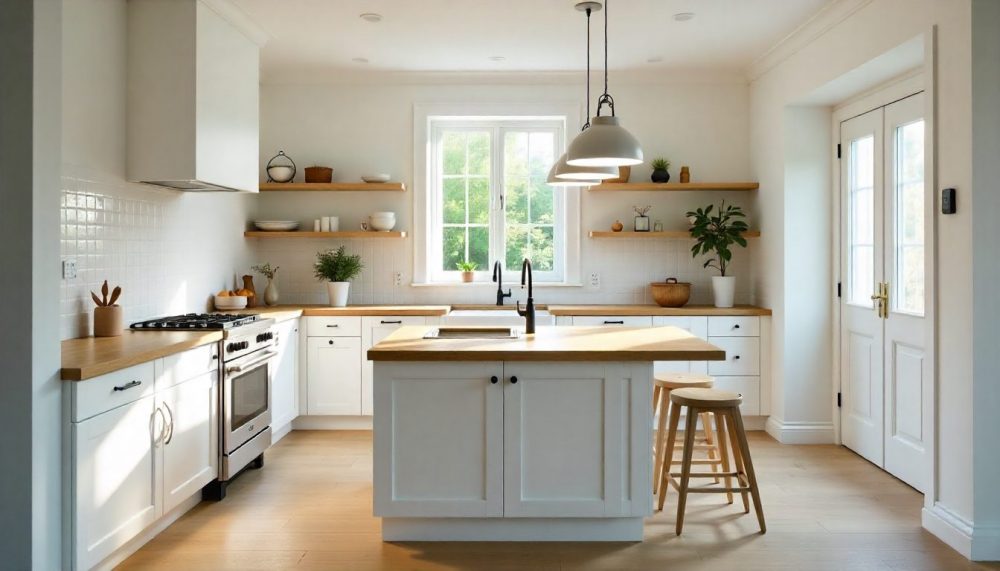 Selecting sturdy, simple-to-clean materials is absolutely essential and should be first consideration when designing a kitchen that is both beautiful and durable. Because kitchens often have heat, splashes, moisture, and continuous activity, they really stand out as the busiest and most crucial space in every home.
Every selection you make, whether it is for counters or floors, should withstand everyday life without showing wear and tear. Though quartz and solid surfaces wipe clean in a flash, it’s their defence against stains, scratches, and heat that sometimes makes them such a great fit. Likewise, cabinets made with first-rate laminates or humidity-treated plywood avoid swelling and bending, therefore guaranteeing longevity.
@ampquartzcabinets Nak design dapur ikut shape yang mana tak kesah, yang penting 3 tempat ni betul 🥳 #AmpQuartz #kitchenlayout #renovatedapur #cabinetmaker #fyp
Vinyl planks or porcelain tiles are a simple to mop for floors and not only provide a fashionable look but also keep off stains. Apart from being sensible, selecting low-maintenance materials helps to maintain your kitchen neat and helps to stop bacteria from flourishing in those hard-to-reach corners. You are more likely to keep the area presentable every day if something is easier to clean.
Furthermore, you can effortlessly obtain that contemporary, country, or sleek look you’re going for without sacrificing the longevity of your items since these materials are across all hues, patterns, and textures. Selecting strong, low-maintenance materials allows you to create a kitchen meant to last, lower daily upkeep, and improve the beauty and usability of your whole home.
Golden Rules Of Kitchen Design 3: Keep It Flexible & Future-Proof
Preserving the space adaptable and future-proof is among the most crucial golden standards in kitchen design. A well-designed kitchen should evolve over time to match new technologies, family size, and lifestyles beyond merely meeting your present demands.
Modular cabinets and adjustable shelving let you alter your storage needs to fit everything from heavy equipment to impeccably arranged spices without major renovation. Choosing muted hues and classic materials guarantees your kitchen will still be sophisticated whatever trends develop while yet allowing for the addition of accents. using basic-to-replace materials like bar stools, backsplashes, or lamps fixtures.
Technological planning is also part of future-proofing; including smart appliances, energy-efficient systems, and enough power outlets in practical locations helps to upgrade as new ideas come. By adding elements like extendable counters, flexible eating areas, or multifunctional islands, the space might also fit casual family dinners, cooking, or entertaining. Access is still another factor; building with pull-out drawers, broader corridors, and ergonomic layouts will help guarantee the kitchen stays user-friendly as requirements arise.
One gets older grows. Homeowners who go beyond simple convenience will make sure their kitchen stays lovely, smart, and safe while also preventing expensive future repairs. still the fashionable heart of the home for years. In essence, a future-proof kitchen offers more than simply a good financial investment; rather, it is a flexible and adaptable mindset.
Golden Rules Of Kitchen Design 4: Blend Aesthetics with Functionality
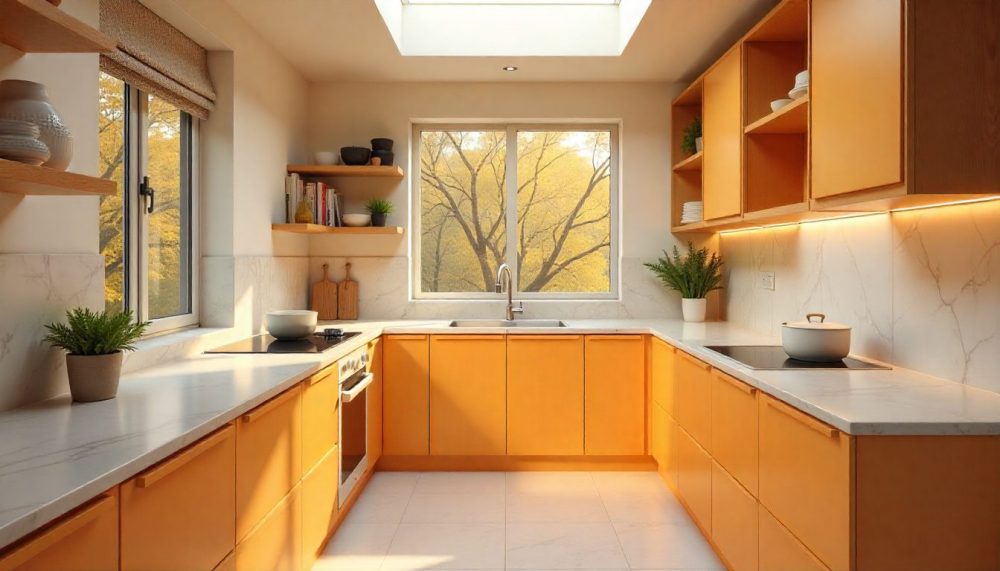 Learning how to mix design and utility — a balance that turns the kitchen into both a practical is one of the golden principles of kitchen design. beautiful living conditions and workplace. In addition to fostering culinary inventiveness, a kitchen should mirror the lifestyle and personal taste of the householder.
Though elegant cabinets, crisp finishes, and fashionable backsplashes help to give the room aesthetic appeal, they should never come at the expense of practicality. Glossy surfaces, for instance, may seem modern but can quickly show fingerprints, while matte finishes offer a more forgiving, low-maintenance choice. Likewise, selecting strong countertop materials such quartz or Silestone enables a rich appearance while guaranteeing stain, heat, and scratch resistance.
@ampquartzcabinets PART 2! Terima kasih kerana memilih AmpQuartz! Orang Johor yang nak buat macamni boleh PM kami sekarang! 🤩🥳 #AmpQuartz #KitchenCabinet #EuropeanSolidPlywood #feedback #fyp
Beyond materials, functionality embraces the whole layout: storage solutions, adequate illumination, and ergonomic design all need to fit naturally into the style. Though it should go with the workflow with lighter hues, for instance, might brighten small spaces — a well-chosen colour palette can also improve the impression of room and comfort. Though darker hues can ground big, open rooms, kitchens Hardware, lighting fixtures, and flooring ought to strike a balance between design flair and endurance.
Through precisely combining form and function, homeowners may build a kitchen that is classic, inviting, and efficient — a space where special events and regular meals feel natural. A kitchen that appears beautiful while also meeting daily needs is therefore truly clever and safe in addition to being fashionable.
Golden Rules Of Kitchen Design 5: Focus on Safety First
As this is a room where heat, cutting tools, and frequent activity meet, safety should always precede elegance or utility when planning a kitchen. A secure kitchen starts with wise arrangement decisions, like distant cooking areas from busy hallways to avoid unintentional collisions especially in homes with elders or children.
To guarantee simple mobility without crowding, walkways ought to be at least one meter broad. Non-slip flooring lowers the risk of falls, while rounded countertop edges lower the possibility of painful bumps, so surfaces are also quite important in accident prevention. Another top priority is electrical safety since kitchens usually need many appliances. Having outlets correctly grounded, positioned apart from water sources, and outfitted with childproof covers increases safety even further.
Good illumination helps safety even more by enabling clear visibility of what you’re slicing, cooking, or washing; under-cabinet task lighting helps to eliminate shaded areas where accidents could occur. Safety should also be built into the storage. Heavy pots and pans are ideal kept at waist level to prevent lifting injuries; sharp things Unlike knives, which should be kept in designated slots or drawers rather than free.
By eliminating smoke, steam, and cooking smells, ventilation also helps to create a more safe and clean environment. A well-designed kitchen ideally forecasts dangers and reduces them, therefore producing a safe environment where cooking is both enjoyable and without concern. It also has great aesthetics.