
Renovation hall of shame exposes the typical kitchen mistakes householders always regret after expensive renovations. From mismatched finishes and careless layout planning to ignoring storage needs, these blunders may fast transform a dream kitchen into a daily irritation. Learning from these mistakes guarantees that your renovation improves both style and usability.
Renovation Hall Of Shame 1: Too Little Counter Space
One of the most infuriating mistakes consumers make during a kitchen renovation is undervaluing counter space. Not enough counter space soon fits in the refurbishment hall of humiliation given its impact on practically every facet of kitchen operation.
From cooking and meal preparation to setting down groceries or even installing little devices such toasters and coffee makers, countertops are the unsung heroes of a working kitchen. Many homeowners give up crucial work space in quest of larger sinks, massive appliances, or just decorative elements, only to mourn it after everyday life resumes. A counter arrangement that is too crowded slows down cooking and causes needless mess as goods fight for limited surface area.
Particularly in smaller kitchens, where careful planning is necessary to utilise every inch, this mistake is rather common. The wonderful news is that solutions are everywhere: including multifunctional islands, extending counters into corners, or choosing fold-able or pull-out surfaces might all provide a lot of impact. Simple built-in appliances also free up counter area. Designing the kitchen will benefit from advance planning on how it will really be used; this includes not just looks but also efficiency and workflow.
Eventually, a kitchen that looks stylish in pictures but is short on practical counter surface will be a source of daily annoyance. Avoiding this error guarantees your kitchen is not only lovely but also ready to serve by striking a deliberate balance between form and utility. Confront the difficulties of everyday existence.
Renovation Hall Of Shame 2: Awkward Island Placement
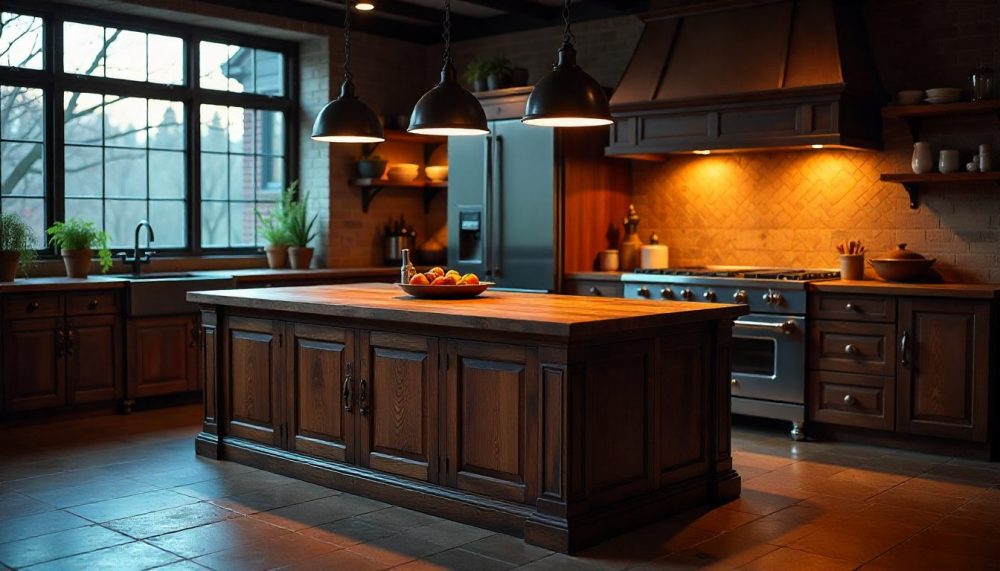 Few blunders deserve entry in the “Renovation Hall of Shame” like clumsy island placement when it comes to kitchen remodelling. Though it adds additional prepping surface, seating, or storage, a kitchen island can be a functional focal point; yet, badly designed, it is a significant impediment instead of an asset.
Putting an island either too big for the area or too close to nearby cupboards and devices is among the most frequent mistakes. This causes traffic bottlenecks and hinders dishwasher opening, drawer pulling, or even navigating around when several people are utilising the kitchen at once. Pushing an overly large island in a tiny kitchen frequently produces congested hallways that surpass the advised 36–42 inch minimum perimeter clearance.
@ampquartzcabinets Save this video for your reference! 🥰 #AmpQuartz #KitchenCabinet #KitchenRenovation #dapuridaman #fyp
On the other hand, a poorly sized island can seem out of line, wasting useful floor space with little use. Failing to give function any thought such as putting seating where knees hit against cabinet doors or setting the cooktop or sink on the island is yet another error. without correct plumbing or ventilation design. These errors in design can make the kitchen ineffective and exasperating.
Homeowners should balance practicality with proportion to prevent this error and guarantee the island improves rather than restricts workflow. An island carefully positioned not only enhances functionality but also elevates the aesthetics of the kitchen, turning it into a peaceful area for daily cooking, entertaining, and living instead of a cautionary tale of bad design.
Renovation Hall Of Shame 3: Choosing Style Over Function
One of the worst mistakes homeowners make during a kitchen renovation is choosing flair over utility; this is a typical entry in the hall of shame. While it is tempting to chase the most recent design trends, ignoring utility can transform a beautiful kitchen into a depressing area.
Although high-gloss cabinets may look modern in photos, daily use exposes fingerprints and scratches quickly. Similarly, porous materials like marble countertops have undeniable appeal, but they etch and stain easily if exposed to wine or sour meals. Open shelving is another popular design choice that creates an airy appearance; if not well maintained, it can result in constant cleaning and clutter.
Even floor coverings might create problems; while light-coloured tiles might be stunning, they could highlight every piece of dust in a crowded area. Some designs emphasise beauty above workflow outside of materials, so placing the oven too far from the prep area or the sink in an unpleasant position. Therefore, cooking is more of a responsibility than a pleasure. Kitchens are naturally busy places; abandoning usefulness makes the room useless.
The trick is to find equilibrium: although you may still appreciate fashionable finishes, they should be strong, simple to maintain, and compatible with everyday use. Good planning — selecting strong surfaces, arrangements that facilitate mobility, and storage to reduce clutter as it ensures your kitchen functions ideally also in real life in addition to looking amazing on Instagram. A kitchen should serve you; it shouldn’t be the other way around.
Renovation Hall Of Shame 4: Ignoring Future Needs
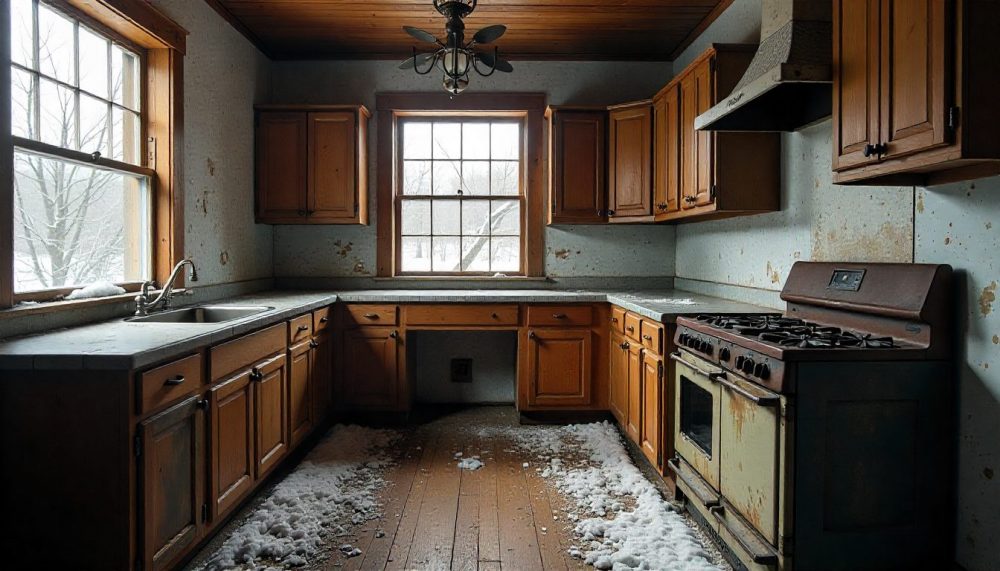 One of the worst errors house owners make and a genuine entry in the renovation “Hall of Shame” in kitchen design is neglecting future demands. Today, a kitchen could appear flawless, but if it doesn’t change to fit lifestyle changes over time, it rapidly turns a bother instead of a pleasure.
Young couples, for instance, will sometimes create sleek, minimalist kitchens without taking into consideration the possibility of an expanding family. Daily cooking becomes difficult too-small prep spaces, limited storage, and inadequate durable surfaces suddenly become apparent. On the other end of the spectrum, homeowners preparing to grow in place may forget access elements like larger hallways, lower countertops, or pull-out shelving only to realise their “dream kitchen” is less useful as mobility evolves across time.
@ampquartzcabinets Apa yang korang akan dapat dalam pakej Solid Plywood RM8,999 ✅ Nano Stainless Steel Sink Black ✅ Pull Out Water Tap ✅ Sayce Rack ✅ Cutlery Tray ✅ Soft Closing Hinge ✅ Stainless Steel Dish Rack ✅ Gas Tray ✅ Upgrade to 40mm Double Profile ❌ No hidden cost ❌ No extra charges Cepat PM kami sekarang atau komen “SAYA NAK”! 🥳 #AmpQuartz #KitchenCabinet #SolidPlywood #pakejmurah #johorbahru
Even resale potential is missed — trendy design decisions or hyper-personal layouts may harm market appeal when it’s time to sell. With smart appliance development, homeowners not preparing for extra outlets, charging stations, or flexible layouts may have difficulty incorporating upgrades later. Technology is another often disregarded element.
Planning ahead means fusing elegance with forethought, not forsaking style. A kitchen may stay classic and useful by anticipating future demands, life changes, and developing technologies. Failing to prepare for tomorrow will ultimately turn today’s remodel into tomorrow’s remorse, therefore showing how short-term thinking belongs in the hall of shame of kitchen errors.
Renovation Hall Of Shame 5: Mismatched Finishes
Few errors come more harshly in the renovation hall of shame than misplaced finishes when it comes to kitchen design. Though blending textures and colours can bring depth and personality, doing so without aim or harmony usually leads to aesthetic anarchy. A frequent mistake is having too many opposing cabinet hues — glossy white uppers with rough wood lowers and metallic highlights not in sync.
Choosing a bold patterned stone beside an equally busy tile causes conflict instead of harmony; counter tops and backsplashes suffer the same problem. Combining brushed gold knobs, chrome taps, and matte black pulls in the same place could make the kitchen seem unbalanced rather than properly varied — hardware is another offender. Balance and restraint are the keys; one dominant finish improved by one or two complementary accents far outperforms a patchwork of opposing choices.
Designers usually suggest employing the same metal family for accents and hardware; consciously using contrast for example, mixing a modern quartz countertop with warm wood cabinets. Moreover, the general appearance of the kitchen is important; finishes appropriate for a modern style might not work effectively in a farmhouse-inspired decor.
Those who want to Include every fashionable design who occasionally find themselves with a room looking ancient rather than classic. To avoid this blunder, create a mood board of colours, textures, and finishes before you commit. Instead of dominating, a well-considered, coordinated approach guarantees your kitchen seems beautiful, balanced, and welcoming.