
Best countertop design for small kitchens combines practicality with style, guaranteeing every square inch of space is used without sacrificing on toughness. Suitable for active homes, materials like quartz, granite, or engineered stone provide durable surfaces that resist stains and scratches. Open, practical, and naturally beautiful compact kitchens seem like this thanks to intelligent designs and combined storage ideas.
Best Countertop Design 1: Cohesive, Uncluttered Design
Creating a useful and aesthetically pleasing little kitchen calls for a clean, consistent appearance, especially when selecting counters combining durability with low efficiency. Opening in enclosed spaces calls for cooperation of all components, beginning with the selection of materials and finishes.
Selecting the same countertop material on quartz, solid-surface, or light-toned granite reduces visible breaks that may make a small kitchen feel congested and boosts visual continuity. Building on this one design, perfect surfaces where the countertop meets the backsplash or built-in sink do away with gaps or joints that offend the eye and emphasise clean lines.
Applying minimalist design to kitchen tool arrangement guarantees that integrated storage, pull-out drawers, and deftly concealed cabinets keep counters mostly free of garbage; it also promotes a clean aspect. Colour matching with cabinetry, walls, and flooring improves the look of a room; lighter colours reflect more light and produce a breezy environment, whereas muted variations may define zones without overpowering the design. Hardware choices like small pulls or push-to-open systems help to create a neat appearance.
Finally, a well-defined, basic counter setup increases visual space in small kitchens while also improving practicality, therefore boosting daily activities, cooking, and cleanup efficiency. It ensures the kitchen has a welcoming, clean, classic appearance; displaying how toughness and small design can coexist peacefully without compromising beauty or utility.
Best Countertop Design 2: Material Durability and Low‑Maintenance
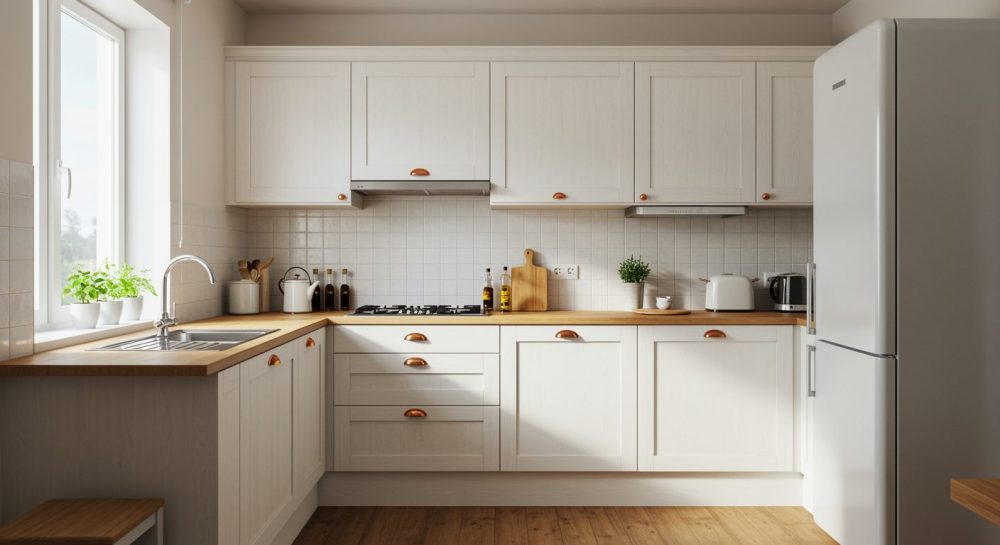 One of the most important aspects to keep in mind when creating counters for small kitchens is low-maintenance and material durability as these elements directly affect the use and lifespan of the area. Constant cutting, chopping, heat exposure, and possibly spills on countertops result from daily food preparation in small kitchens and heavy traffic.
Materials chosen resistant to these daily pressures help to avoid early scratches, stains, or wear. Quartz, granite, solid-surface materials, and porcelain provide excellent scratch, stain, and heat resistance, therefore preserving the counter’s visual attractiveness over time and so making them well-liked substitutions. Low-maintenance use is equally important; in a small kitchen every inch counts; thus cleaning effectiveness is absolutely critical.
@ampquartzcabinets Cantikkan laundry area + open shelving macamni? 😍 Idea pinterest ni tau! #AmpQuartz #LaundryArea #OpenShelves #PinterestKitchen
Non-porous materials like quartz and solid-surface counters are simpler to clean and lower the probability of staining or odour growth since they neither absorb fluids nor foster bacteria. Eliminating hard-to-reach connections and edges where debris may collect, perfect integration with sinks and backsplashes lets materials greatly simplify cleaning. Moreover, polished, clean appearances maintained with little effort include those with fingerprint, smudge, or watermark resistant finishes.
Tough, low-maintenance materials combined aesthetics with usefulness; little kitchen countertops may be made; this enables consumers to maximise their tiny area while minimising stress and labor. Besides being safe and convenient, this technique helps a tiny kitchen to remain aesthetically pleasing and useful for everyday usage.
Best Countertop Design 3: Visual Lightness and Spatial Perception
In small kitchens, it’s very vital to create a feeling of visual lightness and better spatial awareness because confined space may quickly turn congested or constrained. Countertop design emphasising clear, simple surfaces is among the most effective methods to get this.
Soft whites, creams, or light greys — light-coloured materials reflect both natural and artificial light and therefore create the impression of a bigger, more spacious room. Using enormous slabs with few joints or seams helps to reduce visual interruptions, hence allowing the eye to move over the countertop continuously and so slightly expand the seen area. Including the counter with the backsplash or extending the material to vertical surfaces also generates a continuous plane, hence improving openness and harmony.
Matte or somewhat reflective surfaces can also have an influence on perception: matte finishes keep a subdued elegance and prevent glare; mild reflective surfaces reflect light, therefore making the region seem bright and more energetic. Smart design like L-shaped or galley arrangements may enhance compact kitchens aesthetically and practically since they help to keep a clear central corridor and avoid crowding.
Combining these spatially conscious counters with under-cabinet lighting or thoughtfully placed LED strips adds depth and openness that finally improves the visual appeal of the kitchen as well as helps function as an uncrowded, airy environment supports more natural movement, order, and overall feeling of calm in a generally confined space.
Best Countertop Design 4: Space Efficiency & Multifunctional Use
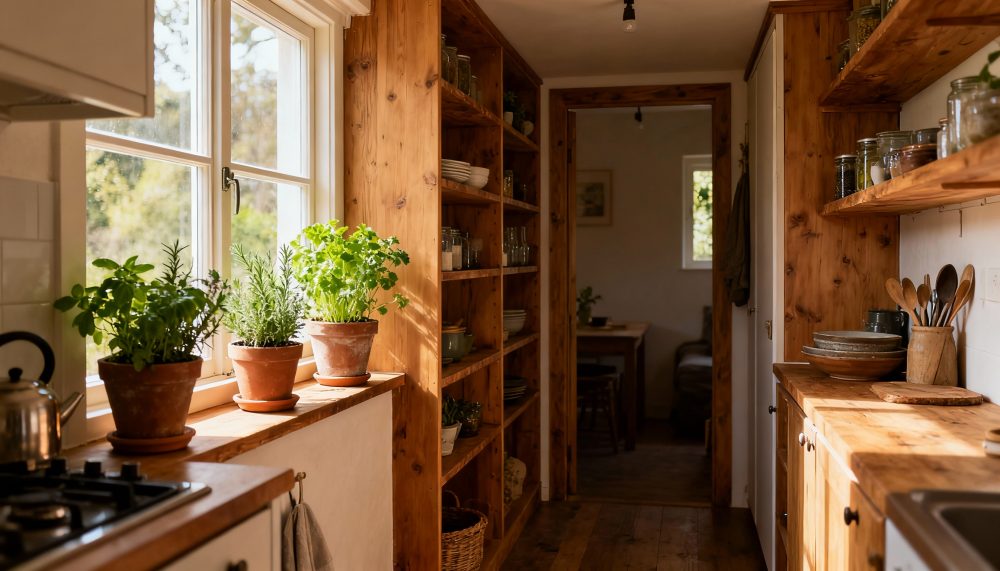 Because small kitchens need every square inch of counter space, designs for countertops should include functionality and spatial economy. Limited countertop area can be a problem in small kitchens; therefore counter design has to maximise usefulness without cluttering the area.
By adding multi-use elements — folding-down extensions, built-in cutting boards, or retractable work surfaces directly into the counter, one can expand it as required and conceal it when not in use. For fast access to essential tools in a neat environment, counters may also contain pull-out cabinets, spice racks, or surface-mounted tool drawers.
@ampquartzcabinets New produk in our showroom! 😍 CabSpray! Yang mana nak tukar warna kabinet tu boleh try this kind 🤩 #AmpQuartz #KitchenCabinet #CabSpray #johorbahru #fyp
Moreover enhancing multi functionality, solid-surface or quartz materials, those that let sinks and other equipment be easily integrated — cooking, prep, and cleaning surfaces onto one continuous plane. By keeping smooth workflow patterns, corner or L-shaped countertop arrangements help to maximise the available floor area, hence profiting small kitchens also. Another important factor is vertical efficiency: designing counters with background integrated shelves, hooks, or magnetic strips lets one prepare food horizontally but still keep often used appliances and commodities nearby.
Selecting sturdy, low-maintenance materials lets these multipurpose surfaces survive heat and humidity exposure in addition to daily cutting and chopping abrasion and strain. Emphasising multi functionality and wise space use makes small kitchen countertops really functional, visually open, and arranged settings that satisfy contemporary living demands without sacrificing durability or sophistication.
Best Countertop Design 5: Aesthetic & Cohesion
Good aesthetic coherence is necessary to preserve utility while yet designing a little, symmetrical, and visually appealing kitchen. Small rooms make every design component more apparent, therefore the countertop needs to fit easily with cabinets, backsplash, overall decor, and floor.
Particularly good at giving a little kitchen an airy and spacious appearance, light neutral tones like soft whites, creams, beiges, and light greys reflect natural and artificial light to enlarge the seeming area. Fewer seams and joints in countertops create a clean, unbroken surface that helps to lower visual clutter and promote simplicity and order. Achieving this ideal appearance calls quartz, solid-surface slabs, or porcelain since they allow continuous surfaces that go well with sinks, backsplashes, or even built-in cutting surfaces.
Likewise applicable to texture and finish, cohesion aids in creating a coordinated appearance: sleek cabinetry gains from smooth, matte, or gently polished surfaces; whereas consistent colour schemes throughout countertops, cabinets, and walls help. Because visual harmony is so important for the overall tone of the property, open-concept homes or flats with the kitchen opening onto living or dining rooms gain especially from this unity.
Careful material, colour, and finish arrangement guarantees that the countertop complements rather than overshadows or fills the space both aesthetically and practically. Homeowners who make aesthetic harmony their top priority may have a small kitchen appear roomy, inviting, and modern, demonstrating that longevity and little design may coexist perfectly without sacrificing beauty or use.