
The executive kitchen offers a setting fit for elegant hosting. It helps to foster both culinary perfection and effortless hospitality with gourmet appliances, clever arrangements, and first-class materials. Ambient lighting and well considered social zones guarantee every meeting is memorable, welcoming, and cozy.
The Executive Kitchen 1: Gourmet‑Grade Appliances
Good executive kitchen entertainment starts with high-quality equipment, which enhances both status and performance. Professional-style ranges and ovens are well known for their precise temperature regulation, therefore hosts may confidently use sophisticated cooking methods.
Dual-zone wine coolers and built-in refrigeration offer a touch of refinement that guests rapidly notice as well as keep a broad range of gourmet cuisine and beverages at their best temperatures. Modern cooking techniques rely on the flexibility offered by steam ovens, sous-vide tools, and induction cooktops that let chefs make a range of meals simultaneously without sacrificing quality.
High-end appliances are occasionally matched with smart technology such programmable ovens, automated coffee machines, and inventory-tracking refrigerators to aid to simplify the culinary process and lower the pressure of entertaining many guests. The strategic placement of these devices in a well thought-out kitchen plan helps chefs to move effortlessly among preparation, cooking, and service areas yet remain conscious of guests thereby boosting workflow efficiency.
Besides performance, the aesthetic appeal of gourmet-grade appliances — polished stainless steel, matte finishes, and minimalistic interfaces improves the whole refinement of the area, thus strengthening the executive kitchen’s dual role as social hub and culinary force. Modern features and elegant design combine in gourmet-grade appliances to capture the essence of premium entertainment and so turn the kitchen into a venue where perfect hospitality and culinary competence meet.
The Executive Kitchen 2: High‑Quality Materials
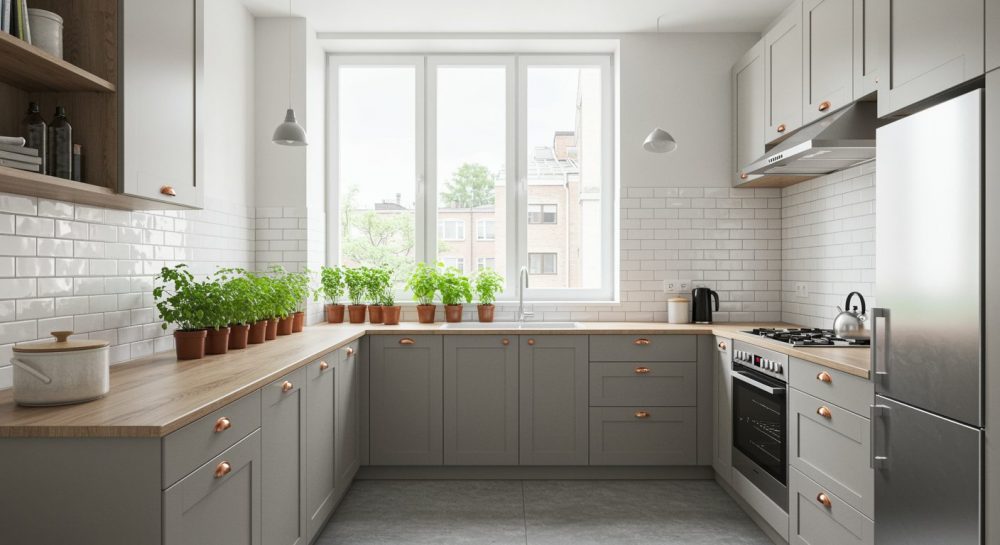 An executive kitchen is built on premium materials therefore reflecting luxury, durability, and refined taste, though it also satisfies utility requirements for premium enjoyment. Countertops made of natural stones such quartz, marble, or granite provide heat resistance, abrasion resistance, and simple maintenance in addition to a lovely central focal point to withstand the demands of daily cooking and entertainment.
Cabinetry gives longevity and refinement made mostly of strong wood or superior lacquered treatments; Hardware with soft-close guarantees a graceful, noiseless movement that improves the overall feel of the room. Premium metals and fixtures like polished brass, brushed nickel, or matte black improve both appearance and practicality in costly kitchens on faucets, handles, and knobs.
@ampquartzcabinets Kan senang ade pull down dish rack macamni? 🤩 #AmpQuartz #dishrack #kabinetjohor
Combining aesthetics and utility, natural stone and glass backsplashes add texture and dimension to the design and provide focal points to enable simple cleaning. Chosen for their beauty as well as their durability under party foot traffic and events, large hardwood, natural stone, or expensive porcelain tile emphasises the interaction of texture and light throughout the kitchen;
Even little details like under-cabinet lights made of pricey materials enhance mood and use. With great, long-lasting, and practical materials meticulously chosen, an executive kitchen develops into something other than simply a place to cook; It turns into a platform for pleasure, a symbol of the host’s tastes, and a great setting suitable to hold top-level events without compromising aesthetics or use.
The Executive Kitchen 3: Smart Space Planning
Executive kitchen is built on smart space design, where every inch is intended to promote both culinary brilliance and simple entertaining. In a luxurious context, the design must strike a balance between social interaction, flow, and utility.
Many open-concept designs link the kitchen with dining and living spaces so that the hostess may interact with visitors while making meals. Offering more prep surfaces, seating, and serving areas, big, adaptable islands form the heart of the area. Organised main cooking spaces free of clutter including butler’s pantries or extra counters help to enable effortless multitasking during events. Thoughtful consideration of circulation paths guarantees clear and natural movement between appliances, storage, and serving spaces, therefore avoiding bottlenecks in presence of many people.
With appliance garages, pull-out drawers, and concealed cabinets ensuring essentials are easily accessible yet out of view, storage solutions are deliberately woven throughout the floor plan. Efficiency and hospitality depend on even little touches like placing sinks close to preparation areas or establishing independent drink stations. With seating zones near the kitchen island, comfortable conversational corners, and clear sight lines to entertaining venues, executive kitchens also anticipate the requirements of guests.
Careful combining of technology and lighting improves the experience by offering both atmosphere and practical visibility where it is needed most. Smart space planning guarantees that an executive kitchen is not just a place to prepare food but also an elegant setting for remarkable, high-end events by giving flow, accessibility, and flexibility top priority.
The Executive Kitchen 4: Design Cohesion & Style
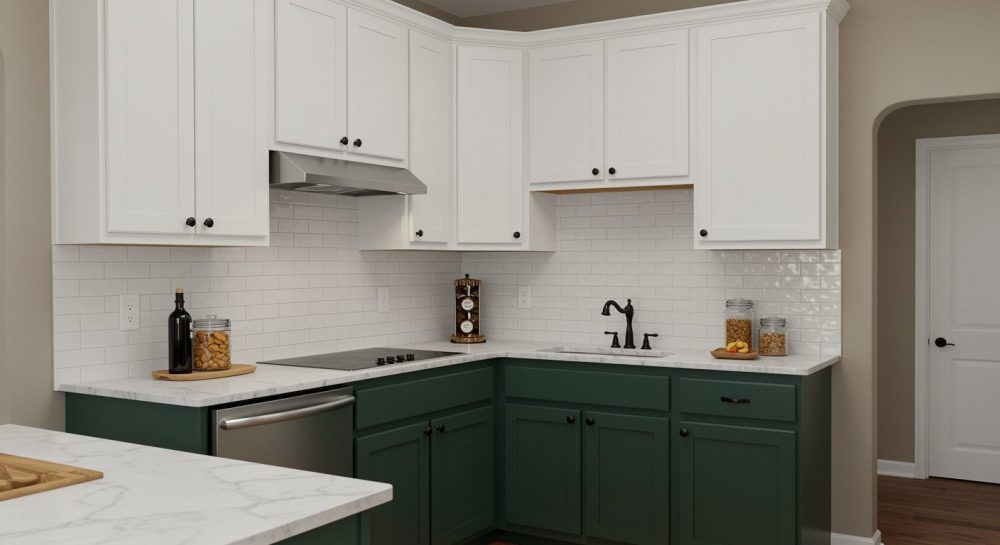 Executive kitchens need design balance and flair since they enhance elegant ambiance in addition to enabling sophisticated hosting. Every component — cabinets, counters, fittings should look intentionally chosen and support one another.
Whether monochromatic, complementary, or layered neutrals, coordinated colour palettes provide visual harmony and a tranquil beauty. Statement pieces such a carved pendant, a strong backsplash, or a textured island front draw attention and enhance the general design; cabinet finishes, hardware, and lighting should match stylistically to prevent visual clutter. Guests will find something to value in terms of longevity and tactile richness with hand-crafted tiles, real stone countertops, and high-quality wood or lacquered cabinet; materials are absolutely vital for enhancing luxury.
@ampquartzcabinets Yang suka minum coffee tu, min suggest korang simpan coffee machine korang macamni 😍 #AmpQuartz #kitchencabinet #kabinetjohor #coffeelover #storage
Understanding scale and proportion enables one to ensure that all elements from small tools to massive islands appear deliberate and connected. Hidden storage or installed appliances should match their surroundings flawlessly to keep a polished, neat look even for simple features. With tastefully chosen artwork, plants, or distinctive furniture, decorative elements enhance the area without sacrificing its refinement.
From simply a place to cook, a coordinated design turns the executive kitchen into a curated show for entertainment where every component emphasises flavour, richness, and flawless execution. Apart from being a practical workplace, the kitchen becomes a lovely centre for spectacular, sophisticated gatherings thanks a combination of textures, colours, materials, and furniture.
The Executive Kitchen 5: Comfortable Social Zones
Friendly social spaces are only as crucial in an executive kitchen plan meant for premium hospitality as are exquisite features and excellent gear. These areas turn the kitchen from a simple workhorse into a focal point for pleasure, dialogue, and connection.
Big islands with bar seats, great meeting spots let visitors engage with the host as food is being prepared, hence fostering participation and inclusiveness. More personal talks and contribute to forming a friendly instead of horrifying environment are made possible by built-in banquettes or lounge-style seating arrangements. Guests are urged to stay longer by textured elements such soft rugs, upholstered chairs, and thoughtfully placed pillows; these offer sensory comfort.
Including these social spaces naturally into the design of the kitchen guarantees that mobility stays simple and thus avoids congestion even at large supper parties. In situations when the host might go from bright task lighting for cooking to gentler, ambient light for evening meetings with tiered, dimmable possibilities, lighting is especially crucial. Furthermore, locating social spaces close to wine coolers or refreshment tables allows one to quickly get drinks and hence enhances hospitality without interfering with the entertainment flow.
Smart design also takes acoustics and sight lines into account to guarantee that conversations can go naturally without overloading the movement in the kitchen. Hence, comfortable social spaces in an executive kitchen allow guests to rest, engage, and participate while letting the host keep control and view over both the food preparations and the social environment, thereby ensuring every event seems honest, elegant, and memorable.