
Problematic kitchen design leads to ineffective plans and irritating daily use, often resulting from neglecting basic needs in favour of aesthetics. Typical mistakes include subpar workflow, inadequate storage, and inappropriate materials that erode swiftly or are challenging to keep up with. Early handling of these functional errors helps homeowners to build a kitchen that is both elegant and really liveable.
Problematic Kitchen Design 1: Insufficient Storage
Among the most often seen traps in kitchen design is insufficient storage; it may considerably restrict both performance and overall enjoyment of the space. Many homeowners underestimate the amount of things a modern kitchen demands from pots and silverware to small appliances to pantry basics and cleaning supplies leading to cluttered cabinets and filthy counters.
Without well-planned storage, kitchens could soon seem disorganised, hence making it difficult to find or get products needed. Though often overlooked, tall cabinets or shelves can help to maximise storage without increasing the footprint of the kitchen by means of vertical space. Pull-out cabinets, spice racks, and custom compartments not only organise items well but also make access easier, hence reducing the weight of getting things from deep or high cabinets.
Open shelving might seem lovely, but relying only on it could worsen mess if storage requirements go beyond what the visual show presents. Moreover, not booking room for heavy or unusual objects like stand mixers, large pots, or baking trays might cause homes to store them in inconvenient locations, so disrupting flow. Countertop usage is also impacted by improper storage as cookware and tools spill onto preparation areas, hence producing an overcrowded and unproductive cooking environment.
Besides helping to keep the kitchen clean, designing one with lots of properly arranged storage improves overall usability, therefore allowing homeowners to readily travel between tasks and maintain stress-free cooking experience. Giving storage top priority during the design phase will help homeowners avoid one of the most annoying and permanent functional errors in kitchen planning.
Problematic Kitchen Design 2: Poor Workflow and Layout
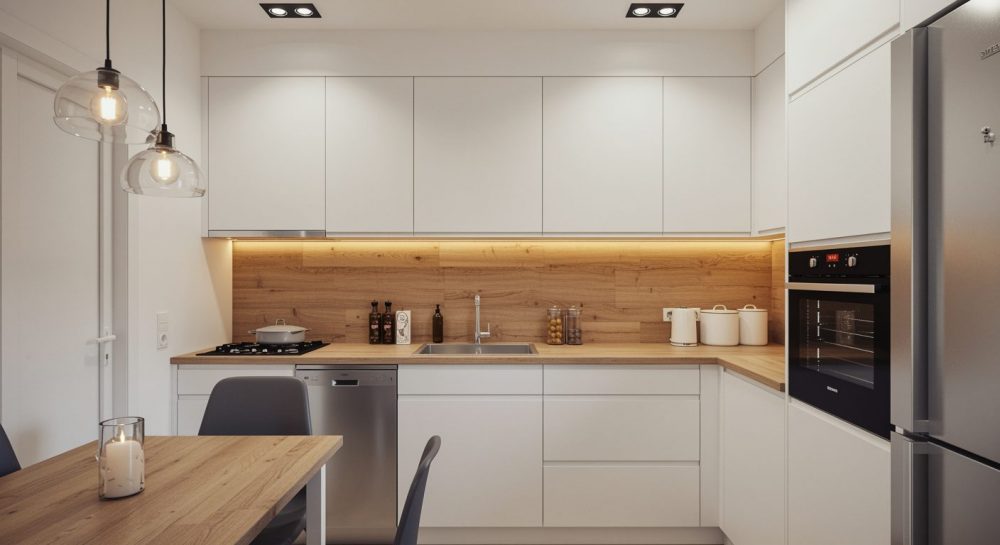 Though occasionally ignored, kitchen design depends much on arrangement and flow. Badly built kitchens change what should be a happy culinary experience into everyday nuisance. Many times, homeowners choose beauty over practicality, so creating environments that appear stunning but also feel weak.
The concept of the work triangle that arranges the sink, stove, and refrigerator in triangular shape to minimise unneeded movement underlies excellent design. Ignoring this idea may produce never-ending back-and-forth, congestion, and a disorganised cooking process. Too small or too large rooms another common mistake hinder effective meal preparation, cooking, and clean-up.
@ampquartzcabinets Yang suka minum coffee tu, min suggest korang simpan coffee machine korang macamni 😍 #AmpQuartz #kitchencabinet #kabinetjohor #coffeelover #storage
Many users may move clumsily as a result of mis-arranged counters, cabinets, and appliances, hence creating bottlenecks and perhaps compromising their safety. Likewise, setting refrigerators away from the cooking area or stoves near to a corner wall, appliances or storage containers in unfavourable locations could disrupt the normal workflow and delay food preparation. The arrangement of cabinets, lights, and power outlets also influences the smooth running of a kitchen.
A well-designed plan is essentially more concerned with projecting daily activities and arranging a place where work moves without interruption than just movement. Homeowners who ignore these elements run the danger of having a visually spectacular but eventually irritating kitchen to use, hence turning a primary family gathering place into a functional issue.
Problematic Kitchen Design 3: Countertop Space Shortages
Among the most often functional errors homeowners commit when designing a kitchen is underestimating the need of enough countertop space. In a kitchen, usability hinges on countertops, which also act as the primary surface for food preparation, instrument storage, and even light eating.
When space is limited, everyday activities like chopping vegetables, making meals, or dropping groceries can become limited and useless. Homeowners often ignore useful work areas in favour of appearances or more cabinets, hence leaving countertops cracked or too small to accommodate several tasks simultaneously. This could create a chaotic, untidy scene where limited area is shared between equipment, cookware, and ingredients.
Homeowners without workspace can make dining tables or other surfaces into makeshift work areas, hence disrupting the flow of the kitchen and reducing general usefulness. Moreover, a counter space scarcity will prevent the placement of vital equipment like microwaves, coffee machines, or blenders, hence requiring frequent storing and retrieving of these items, therefore adding more procedures to everyday operations.
Good planning should involve judicious use of multipurpose islands or extensions wherever practical as well as ongoing, accessible surfaces catering to several purposes. Homeowners who place counter space first during the planning phase can assure a more neat, efficient, and pleasant kitchen experience, therefore reducing aggravation and enhancing everyday cooking as well as social interaction within the centre of the home.
Problematic Kitchen Design 4: Ignoring Ergonomics
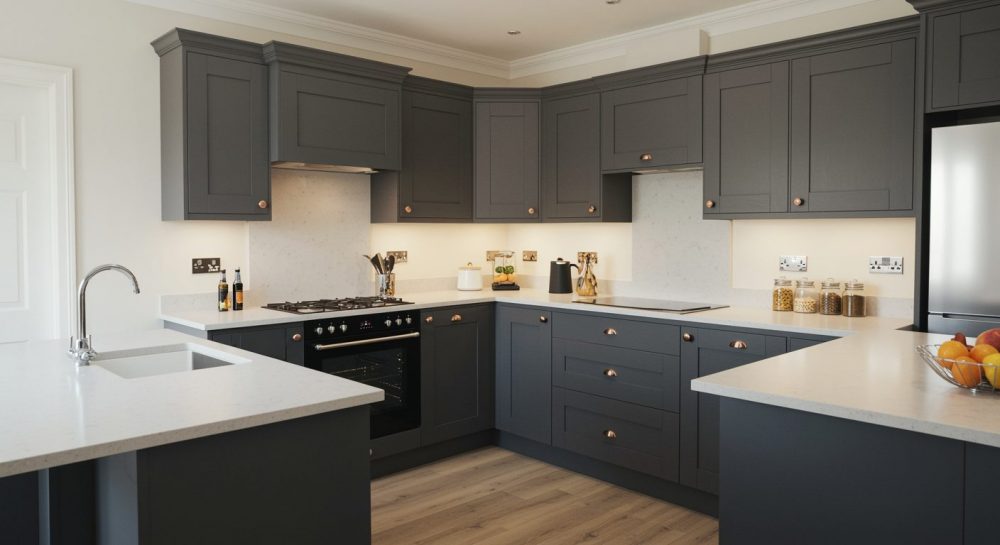 One of the most overlooked components of kitchen design is ergonomics, which so much lessens the effectiveness of a kitchen. Ergonomics guarantees comfort, efficiency, and safety over daily activities by concentrating on producing a room matching the physical demands of its occupants.
Many homeowners prioritise beauty over functional design; Counter tops, then, are too high or too low; cupboards are hard to reach; appliances are strategically located for clumsy access. An oven or sink too near a corner, for example, would call for difficult working angles. Deep cabinets without pull-out shelves would need bending and stretching, so putting strain over time.
@ampquartzcabinets Wardrobe untuk letak baju raya 🤩 #AmpQuartz #bajuraya #kabinetjohor #fyp
Furthermore impeding cooking and intensifying pain is the placement of commonly used items such utensils, spices, or little appliances in hard to reach spots. Because bad spacing might cause excessive movement or unpleasant stances, fundamental features like counter height or the distance between the stove top and sink affect workflow. Neglecting ergonomics also has safety repercussions; Burns, falls, or collisions can be brought on by wrong equipment placement or inadequate workspace clearance.
Contemporary kitchen design pushes customers to assess form and function harmony produced by every aspect’s interaction with human motion. Early ergonomics in the design process assist homeowners in avoiding often committed mistakes, hence producing a room that is warm, practical, and safe for daily use in addition to being aesthetically pleasing.
Problematic Kitchen Design 5: Material and Finishing Mistakes
One of the most frequently made mistakes in bad kitchen design is material and finish selection, which can considerably affect both lifetime and utility. First selecting counter, cabinet, or flooring that seems good but is not fit for the rigorous use a kitchen needs, many homeowners choose many items.
Soft or porous counter materials, for example, might rapidly chip, stain, or scratch, so turning daily cooking and cleaning into an ongoing struggle. Choosing cupboard finishes that could result in water damage, peeling, or fading can rapidly turn a lovely kitchen into a bother. The sturdiness of the flooring is another important factor; although gorgeous natural wood or delicate tile could be, they might wear unevenly or become slippery hence raising the possibility of accidents.
Beyond power, material selection should be guided by basic cleaning. Difficult-to-clean complex cabinet trims, glossy surfaces revealing fingerprints, or textured tiles collecting dust can compromise cleanliness and generate superfluous everyday task labour. Choosing hardware is likewise vital; handles, knobs, and hinges ought to go with the style and be able to withstand everyday use without rusting or coming loose.
Early replacements, expensive fixes, or ongoing maintenance frequently arise from ignoring some problems. Combining performance with flair, an artistically designed kitchen guarantees that finishes and surfaces remain attractive, durable, and useful for years. Ultimately, avoiding substance and resolving mistakes creates a lovely, built-to-last kitchen fit for regular family life.