
The decluttering project helps homeowners maximise space by getting rid of needless items and arranging essentials. It highlights wise storage, uncluttered surfaces, and effective kitchen zones. Even the smallest kitchen can be transformed into a sleek and pleasant work area with careful planning.
The Decluttering Project 1: Start with a Ruthless Edit
Beginning with a relentless edit is the fundamental first step in any decluttering of a little kitchen. Every inch matters in small areas, therefore it’s imperative to remove the extra and concentrate only on what really benefits one.
Start by emptying all cabinets, drawers, and pantry shelves.Set out everything and honestly evaluate every item.Three can openers or that single use avocado slicer really seem to you needed? Be cruel: chances are you don’t need it if you haven’t utilised it in the previous year. Apply the same rationale to worn-out appliances, mismatched containers, and duplicate devices.
Toss away what is expired or damaged; contribute or reuse what you can. Though daunting, this process is really freeing. Navigation, cleaning, and pleasure are all made easier in a decluttered kitchen. Concentrate especially on opening up countertop space; clearing it can immediately make the kitchen appear bigger and more practical. Determine what’s kept where as well.
Daily items should be readily accessible; those used infrequently should be kept higher up or in difficult-to-reach locations. Your kitchen would seem lighter and more manageable already by the end of this phase. Keep in mind that the aim is usefulness, not merely minimalism for its own value. Regardless of the size of your kitchen, a relentless edit enables you to create one that works smarter, not harder.
The Decluttering Project 2: Embrace the One-Touch Rule
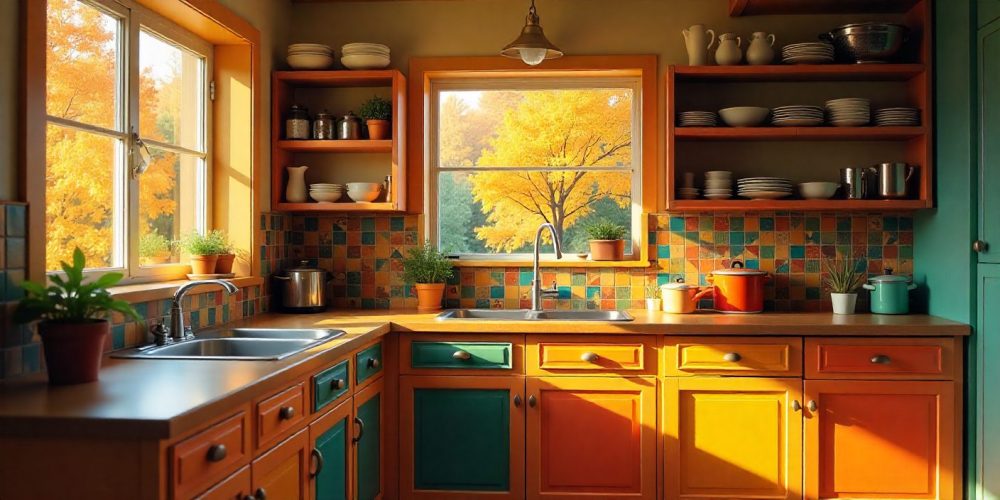 In any little kitchen decluttering endeavour, the one touch rule is a transforming idea. The concept is straightforward: no item should necessitate two or three other things being moved just to get to it. Frequently arranging utensils, containers, or cookware in a small kitchen where space is scarce wastes time and causes stress.
Accepting this guideline means arranging your kitchen so that whatever you use often is obvious and within easy reach.Beginning with categorising your items according on frequency of usage — for instance, place daily use spices, utensils, or mugs in readily accessible drawers or open shelves, while seasonal bakeware or big pots can be kept in taller cabinets.
@ampquartzcabinets Jelas tak? Kalau tak jelas boleh cepat DM kami 🤭😝 #AmpQuartz #KitchenCabinet #merdekasales #promo #fyp
Clear containers, drawer dividers, pullout racks, and lazy Susans can help to prevent stuff from being buried or blocked. Arrange comparable goods in your fridge or pantry—sauces with sauces, grains with grains so nothing is buried under layers of clutter. A well-located hanging rail for cooking utensils or under shelf baskets can also free up cupboard room and lessen the need to rearrange things.
In essence, the one touch rule aims to establish a flow in which your kitchen helps you rather than fight you. It goes beyond mere accessibility. This technique transforms your tiny kitchen into a practical and stress-free setting by minimising friction in everyday tasks, where every inch counts and nothing is always more than one step away.
The Decluttering Project 3: Maximise Vertical Space
One of the most intelligent approaches in any decluttering effort for a tiny kitchen is to maximise vertical space. Your greatest friends become the walls and vertical surfaces when countertop and cabinet space is scarce.
Begin by putting open shelves above countertops or near corners to hold jars, dish ware, or even ornamental baskets masking mess. Hold knives or spice containers using wall mounted magnetic strips to liberate much needed counter and drawer area. Add hooks under cupboards or shelves to display mugs, kitchen utensils, or tiny pots. With adhesive racks for holding cutting boards, wraps, or cleaning goods, the back of cabinet doors can also be changed.
Tiered shelf risers or hanging baskets can double the useful height of each shelf for the pantry, hence guaranteeing no vertical inch goes to waste. Another game-changing feature are stackable dry goods storage containers that let you arrange and see everything without going through. The top of your fridge can become a mini-storage area for lightweight items like towels or big dishes.
Customisable and small, pegboards let you keep instruments visible and easily accessible without cluttering drawers. Vertical thinking helps you not only maximise room but also design a more practical and effective kitchen plan. The secret is to mix style with utility so your vertical ideas bring both storage and flair to your little kitchen. Your walls can work almost as hard as your countertops with a few innovative modifications.
The Decluttering Project 4: Declutter Regularly
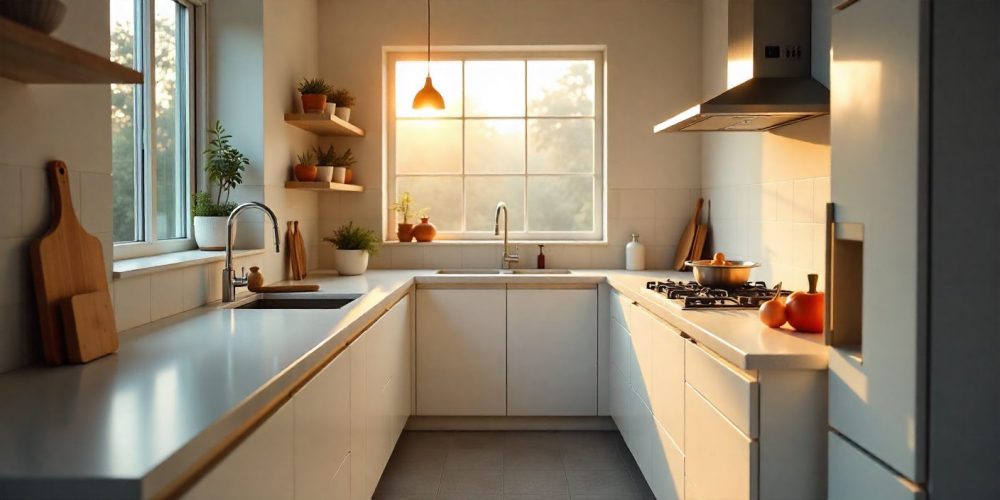 Regular decluttering is one of the most essential yet often neglected habits for keeping a practical and effective small kitchen. Unlike a onetime deep clean, regular decluttering guarantees your area remains tidy, effective, and stress-free. In tiny kitchens, clutter builds up fast — expired pantry items, duplicate cutlery, and stray tools can overrun drawers and countertops in short order.
Setting a monthly or seasonal schedule to review your assets helps you avoid clutter and creates space for what really counts.Begin one area at a time perhaps this month’s spice rack then next the tool drawer. Ask yourself whether not every item is frequently used; if not, think about recycling or giving it. This habit also helps you stay abreast of expiration dates and prevent unneeded purchases, so saving room as well as funds.
@ampquartzcabinets Buat macamni untuk isteri, confirm makin sayang! 😜 Boleh PM kami cepat! #AmpQuartz #KitchenCabinet #pocketdoor #fyp #fyppage
Frequent decluttering fosters awareness of your cooking patterns and inspires better storage choices. It’s also a terrific way to notice patterns like your constant grab for the same few pans or that some devices remain untouched. Once found, you can modify your setup to better represent your regular schedule. Simplicity is what helps a little kitchen to flourish, and regular decluttering maintains it that way.
Though it might only take 15 minutes a week, the outcomes are long-lasting: clearer countertops, faster meal preparation, and a room that supports your way of life rather than making things harder. Less is really more in small kitchens, and constancy is essential.
The Decluttering Project 5: Go Clear and Label Everything
Go clear and label everything is a basic but effective decluttering plan for a functional and sensible little kitchen. Accessibility and visibility are paramount when there is restricted area. Clear containers let you immediately see what is inside, so getting rid of the temptation to go over opaque boxes or half-empty packages.
Whether it’s fridge items like leftovers and condiments or pantry staples like rice, flour, or snacks, clear storage helps to keep everything visually ordered and so reduce food waste. Combining transparent containers with labels elevates the approach. Labels clarify, lower confusion, and assist to keep consistency, especially in shared homes.
Clearly marked containers for “pasta,” “nuts,” or “baking basics,” for instance, guarantee every item has a specific place, so motivating every member of the home to replace things where they belong. By making it simple to review what you already have, it also simplifies your buying process. Choose stackable, airtight containers for top results; these will help you to conserve space and preserve freshness. Consider using a label maker or waterproof stickers to give your kitchen shelves a consistent appearance that adds a little bit of flair.
Remember to label perishables’ dates as well. Besides helping you to maintain a clean kitchen, this little habit encourages more sensible general cooking practices. Every inch counts in a tiny kitchen; going clear and labelling everything turns turmoil into calm one container at a time.