
Beyond the island, your kitchen centrepiece could have design flaws that interfere with both appearance and performance. These pain points, from clumsy arrangements that obstruct movement to surfaces that chip or stain readily might make daily tasks irritating. Early detection of these indicators guarantees that your island benefits rather than becomes a barrier in your culinary sphere.
Beyond The Island 1: Disrupts Your Workflow
Though it should be the focal point of your cooking area, whether it’s a statement island or a customised feature, if it breaks your process it swiftly turns into more of a hindrance than a help. The work triangle in a well-designed kitchen — connecting the stove, sink, and refrigerator should allow smooth, natural movement.
When your centrepiece is wrongly positioned or too large, it can disrupt this flow and require you to make clumsy detours just to wash vegetables, reach the refrigerator, or dish a meal. You could be walking circles, constantly sidestepping chairs, or negotiating small apertures, which not only wastes time but can also make cooking feel physically tiring.
Smaller kitchens where just a few misplaced inches can cause congestion — often see the issue worsened. This lack of flow becomes meal preparation an athletic ballet of timing and motion during hectic times like preparing a family meal or hosting visitors. Tasks that once seemed natural now call for additional steps or more countertop movement. These little inefficiencies add up over time, draining your energy and enthusiasm for using the space.
A functional kitchen centrepiece should improve, not interfere with, your capacity to work. This entails great thought of measurements, location, and how it interfaces with nearby equipment and cabinets. It’s a clear indication that a design revision could bring your kitchen’s rhythm back — making cooking fun again instead of an endurance test if your centrepiece seems more like a roadblock than a resource.
Beyond The Island 2: It’s a Magnet for Clutter
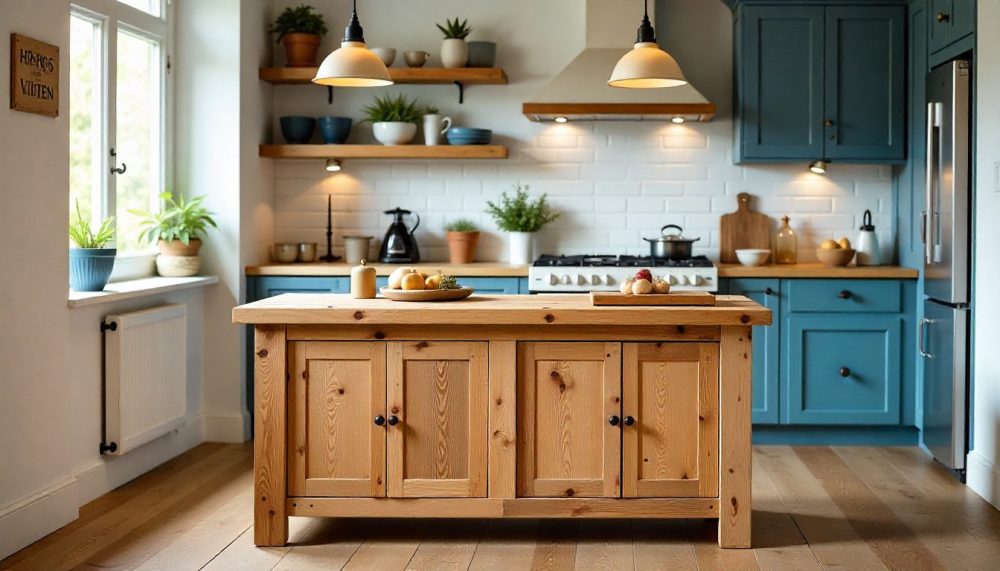 When your kitchen centrepiece starts attracting clutter, it is one of the most obvious indications that it has gone from a stylish addition to a utilitarian nightmare. Although islands and statement counters are frequently built as focal points, they can soon become the household’s unauthorised rubbish heap.
Grocery bags fall “just for a second” yet linger for days. Mail forms unsteady stacks. Slowly claiming territory are empty mugs, children’s homework, stray receipts, and half-finished do-it-yourself projects till there is barely a square foot left for vegetable chopping. Though the never-ending mess may make even the most gorgeous kitchen appear disordered, the issue is also practical, not only visual.
@ampquartzcabinets Our NEW SHOWROOM at Bandar Dato Onn is finally open! 🥳🤩 📍24, Jalan Perjiranan 4/5, Bandar Dato Onn, 81100 Johor Bahru #AmpQuartz #KitchenCabinet #newshowroom #datoonn #fyp
An untidy centrepiece makes it more challenging to maintain the kitchen clean, restricts available workspace, and interferes with meal preparation. Furthermore, once a surface establishes a reputation as a landing area, it becomes more difficult to stop the behaviour. Family members view it as a secure location to “temporarily” set anything down; visitors could begin regarding it as a coat or bag drop off location. This not only defeats the main objective of the centre point over time but also increases everyday stress since cleaning is an ongoing struggle.
It is advisable to review the design, storage ideas, and household habits of your island or main counter if it is always covered under a jumble of random items. Sometimes, a modest makeover like adding drawers, special storage baskets, or even a “no drop zone” rule will help it to be a functional, inspirational focal point rather than a clutter collector.
Beyond The Island 3: It Consumes Too Much Space
Your kitchen centrepiece usually the much-loved island quickly changes from an attractive focal point into a daily irritation when it takes up too much room. An enormous centrepiece for the space interferes with natural movement and makes every step between the stove, sink, and refrigerator feel like a squeeze through a little alley.
Instead of being a centre for cooking, dining, and gathering, what ought to be can cause bottlenecks during hectic mornings or social events, thereby causing people to shuffle awkwardly past one another. A large centrepiece restricts how many people can comfortably use the kitchen simultaneously, so making family cooking sessions or hosting visitors far less pleasant in addition to inconvenience.
In smaller kitchens, the problem is magnified as an island that seemed intriguing in a showroom can take up most of the floor space at home, hence limiting room for additional storage, appliances, or even comfortable dining chairs. Miscalculated sizes can upset the balance of even bigger kitchens, rendering the area crowded instead of spacious. Over time, this spatial strain can subtly discourage you from using certain areas, leading to underutilised work zones and a less efficient cooking experience.
The main red signal is if you find yourself often sidestepping, hip bumping, or avoiding particular chores because the centrepiece is in the way; it is no longer helping your kitchen; it is inhibiting it. Proving that in kitchen design size matters just as much as style, a functional centrepiece should blend with the plan, not overrun it.
Beyond The Island 4: It’s Showing Wear Too Soon
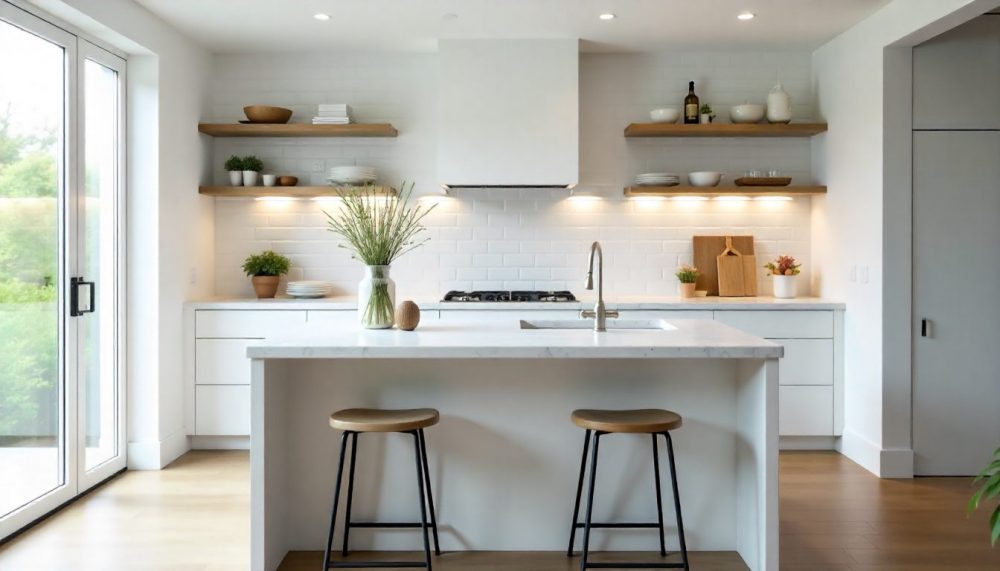 If your kitchen centrepiece starts to show wear much earlier than anticipated, it’s a sure sign that the design or material choice might not have been suited for your lifestyle. Though it should both look great and be made to tolerate everyday use, an island or focal countertop signals warning if scratches, chips, or stains are showing up inside months.
Early wear frequently reveals surfaces too fragile for the degree of activity in your kitchen — porous stones absorbing spills, laminates swelling with moisture, or finishes unable of handling an occasional hot pan. Beyond pure beauty, early wear affects performance. Uneven surfaces can make food preparation difficult; peeling veneer can snag clothing; and decaying finishes can contain bacteria in cracks and crevices.
@ampquartzcabinets Kurang dari 10 hari je lagi mid year sale nak habis! Siapa yang yang nak buat kabinet area Johor boleh PM kami sekarang 🥰 #AmpQuartz #kitchencabinet #midyearsale #promo #fyp #fyppage
Often, the problem is a discrepancy between the durability of the material and the household’s actual cooking habits: what appears stunning in a showroom may not survive a hectic family’s morning rush or regular dinner parties. There is also the “hidden expense element”: mending or replacing a worn centrepiece can quickly deplete your remodelling budget, increasing the “affordable” option’s total cost over time.
A real kitchen investment should age gracefully, acquiring personality instead of damage. It is advisable to reevaluate the equilibrium between style and content if your centrepiece is already in need of a makeover. Choosing better quality materials, protective coatings, or finishes intended for heavy use will help you to avoid this pain point, therefore guaranteeing that the major feature of your kitchen stays as amazing in year five as it was on installation day.
Beyond The Island 5: It Lacks Functional Features
Whether it’s a bold island, a classy butcher block, or a striking peninsula, a kitchen centrepiece should serve more than only as a lovely focal point. It soon transforms from “heart of the home” to “dead space with a price tag” when it lacks functional elements.
Most often encountered issue:It doesn’t truly satisfy the daily needs of the family. Without integrated storage, you lose vital room for pots, pans, and utensils, therefore requiring you to keep fundamentals elsewhere and interrupt your cooking rhythm. Say farewell to easily plugging in mixers, blenders, or even charging a phone while cooking dinner if no built-in power outlets are available. Lack of appropriate seating can also restrict its flexibility, transforming a potential homework or casual eating hub into nothing more than a decorative counter.
Choices like selecting a surface that stains easily or scratches under daily use can cause the centrepiece seem more like a delicate display than a useful workhorse. High-traffic, high-use areas, kitchens are ideal for a centrepiece to improve comfort and effectiveness. It becomes a constant reminder of missed chances as something you work around rather than with — without multitasking, organisational, and durability-supporting capabilities.
At first sight, a stunning centrepiece might wow visitors; however, if it is not helping with cooking, entertaining, and daily life, it is not justifying its presence. The genuine magic occurs when form and function combine flawlessly; thus, if your centrepiece is entirely style with no substance, it might be wise to reconsider its place in your kitchen.