
Designing for flow between cooking, prep, and dining areas in a little kitchen helps to maximise comfort and efficiency. This means the space feels bigger and more linked by using open shelving, light colours, and creative design decisions. Multifunctional furniture and strategic lighting help to intensify the sense of openness without compromising usefulness.
Designing For Flow 1: Prioritise Layout Efficiency
One of the most efficient methods to build an open and smooth flow when planning a tiny kitchen is to give arrangement top priority. Every square foot counts in smaller areas, therefore the placement of appliances, counters, and storage must work together to prevent congestion.
Arranged with care, a good layout emphasises the kitchen work triangle — sink, stove, and refrigerator thereby guaranteeing these vital locations are reachable without obstructing walkways. Compact kitchens especially like galley and L-shaped layouts as they maintain streamlined movement while maximising wall and corner space. Islands or peninsulas, if properly proportioned, may also increase efficiency by offering more workstation and storage without impeding flow. The main goal is to stay clear of pointless obstructions: clear paths should be at least a metre across to prevent the area from feeling cramped.
Pullout cupboards, corner solutions, and inbuilt organisers assist to minimise clutter while keeping often used items readily available. Incorporating appliances—such as a microwave inside cabinetry or a thin dishwasher eliminates clumsy interruptions in the design. Even little decisions like setting the oven at waist level or putting high cabinets at one corner of the kitchen help to enhance the impression of openness and improve traffic flow.
With efficiency in mind while placing every component, a small kitchen can feel far more welcoming and larger than its size implies. The ideal arrangement guarantees the kitchen is both practical and welcoming by not only boosting visual space but also enhancing usability.
Designing For Flow 2: Incorporate Open Shelving
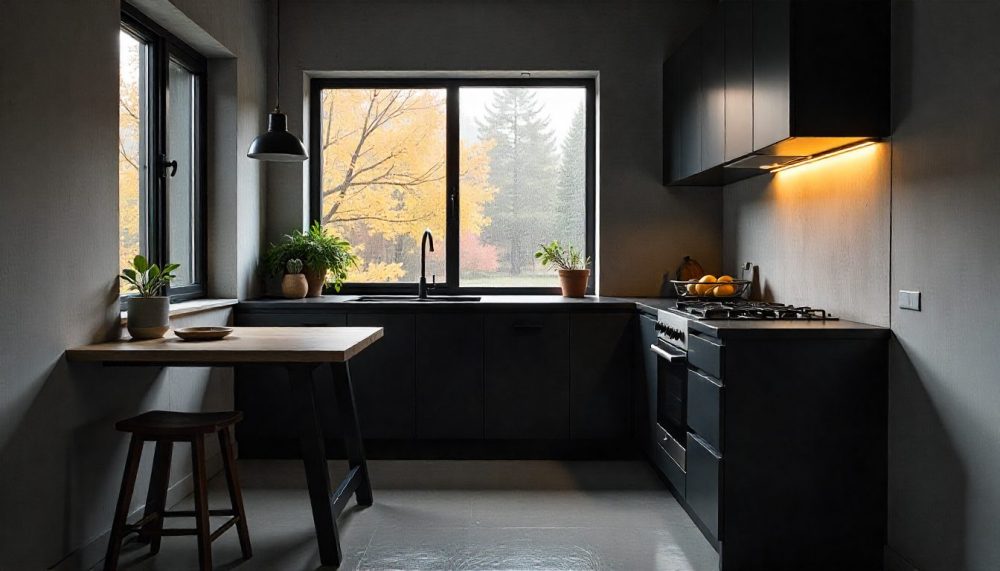 Among the most efficient methods to design a light, flowing ambiance in a small kitchen are open shelves. Open shelves provide aesthetic brightness while yet allow useful storage, unlike massive over cabinets that could restrict a small area.
Open shelving displays dishes, glasses, or thoughtfully organised kitchen essentials, therefore lengthening the sightline and lowering visual obstacles, hence making the space seem more roomy and more connected. By highlighting carefully chosen collections, decorative bowls, or plants, this design choice also lets homeowners soften the harsh edges of cupboards and give their kitchens some character.
@ampquartzcabinets Boleh PM kami untuk dapatkan quotation solid plywood 🤩 #AmpQuartz #KitchenCabinet #SolidPlywood #JohorBahru #fyp
Preserving flow calls for a balance between usefulness and aesthetics; restricting shelves to frequently used items guarantees access while minimising clutter. Open shelves combined with a basic colour scheme — white ceramics or clear glass, for example can increase the tidiness and openness. Floating shelves with delicate profiles or materials like wood and metal give warmth and contrast without overpowering the space for an even lighter appearance.
Open shelves increase depth and brightness, therefore improving the impression of airiness when matched with appropriate lighting for example, from natural light from near windows or from under shelf LED strips. This strategy not only increases storage in small kitchens where every inch counts but also turns walls into decorative elements that improve general flow. Open shelving mixes usefulness and openness to provide beautiful, functional, and visually big even for the tiniest of kitchens.
Designing For Flow 3: Maximise Vertical Space
With walls serving as useful design features that improve both motion and visual appeal, maximising vertical space stands out as a successful technique to give compact kitchens an airy feel. Drawing the eye upward opens up more storage options without mess on the countertops or constrained walkways, which is especially important when floor space is at a premium.
High reaching cabinets that stretch all the way up not only offer more space for things you don’t use every day, but also naturally lift the gaze, giving the room a taller and larger perception. Alternatively, open shelves or multi-tiered racks on the wall may store daily essentials easily while helping to preserve a light vibe especially if you adhere to a basic colour scheme to achieve visual harmony.
Solutions like hooks, magnetic holders, or pegboards for cooking tools and smaller pots and pans can free up vital drawer and countertop space, so maintaining the general appearance clean and uncluttered. Slim pantry units placed between appliances and narrow pullout shelves also use what could otherwise be empty spaces cleverly to avoid any wasted space. Adopting open cubbies or using glass doors on higher cabinets offers visual gaps in strong cabinet blocks while nevertheless providing storage space and soft any closed-in feeling, therefore improving the openness.
The key in combining these methods is striking balance between use and appearance: making sure there is a specific area for all while yet ensuring the general feel is light and streamlined. In the end, concentrating on the vertical aspect helps to guide the line of sight upward, cut down on visual clutter at eye level, and improve general dynamics that make a small kitchen appear to be spacious and beautiful rather than just cramming in more storage.
Designing For Flow 4: Keep Countertops Clear
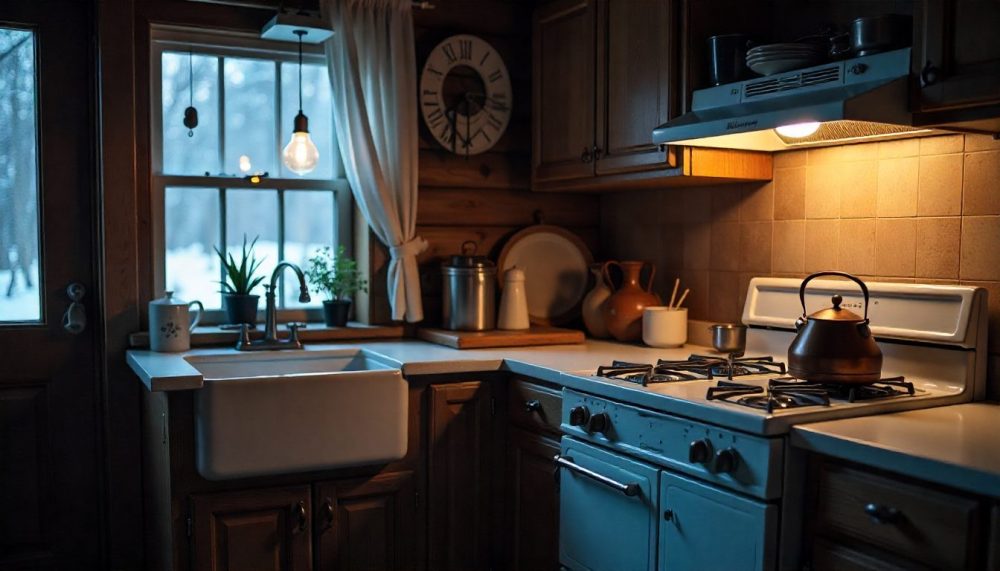 Keeping clean countertops is a straightforward but very efficient approach to expand the visual space of a little kitchen. Usually the most visible and useful areas in the kitchen, counters can cause the entire space to seem cramped and cluttered with little gadgets, cooking tools, or other things.
Your kitchen seems bigger, brighter, and neater right away with uncluttered counters. Apart from increasing visual flow, a tidy surface improves usefulness by providing you more room to cook, eat, or get done your homework. Clever storage solutions are key to reaching this balance. To keep daily essentials neatly tucked away yet within quick reach, think about incorporating appliance garages, pullout drawers, or wall mounted racks.
@ampquartzcabinets PM kami untuk dapatkan harga kabinet macamni or else korang nak custom kabinet sendiri pun boleh! 🤩 #AmpQuartz #KitchenCabinet #customcabinet #dapurcantik #cabinetmaker #johorbahru #pakejmurah #promopakejkabinet #fyp #fyppppppppppppppppppppppp #fyppage
Using vertical storage solutions like hanging rails for pots or shelves for spices helps you to free up even more counter space without compromising accessibility. Select only one or two objects like a fruit dish or coffee maker—to serve as deliberate focal points for objects to remain out rather of trying to cover the whole surface. Choosing basic materials, neutral colours, and seamless surfaces devoid of too many seams strengthens the impression of spaciousness, therefore less is more regarding countertop design.
In tiny kitchens where every inch is valuable, clear countertops let one breathe and foster a smooth movement. This approach will not only improve the general appearance of your kitchen but also convert it into a more effective, welcoming room that seems much bigger than it is.
Designing For Flow 5: Create Seamless Transitions
One of the best approaches to infuse a small kitchen with openness and flow is by means of flawless transitions. The kitchen feels less like a separate room and more like a natural continuation of the house when it aesthetically links with adjacent areas.
One way to get this is through consistent flooring materials across the kitchen and living or dining areas. By avoiding strong discontinuities, a continuous surface — like wood, tile, or vinyl makes the whole environment seem more cohesive and expands it. Coordinating cabinet finishes or colour palettes with adjacent furniture also creates harmony and helps to avoid the kitchen becoming visually separated. Open plan ideas gain from small islands or peninsulas that serve as a transition point, thereby giving seating or storage while preserving views across the whole home.
While subtly marking spaces, glass divisions or half walls also enable light flow and openness. Lighting is also quite important for these transitions; using consistent fixtures or layering matching warm colours across rooms links them together, therefore avoiding one region feeling separate from another. Small touches like extending backsplash materials into an adjacent wall or selecting hardware finishes consistent throughout the house support unity.
In small kitchens where every design decision counts, these deliberate connections not only improve usability but also create the impression of more room. Homeowners may make even the tiniest kitchen a friendly and open element of their house by erasing barriers and generating fluid movement from one zone to the next.
