
The kitchen hub is thoughtfully created to satisfy the demands of several generations. It promotes group cooking, learning, and social activities with adaptable layouts, readily accessible surfaces, and adaptable seating. The space supports family members of all ages in their connection, safety, and comfort by fusing usefulness with welcoming aesthetics.
The Kitchen Hub 1: Flexible and Inclusive Layout
A kitchen meant for multi-generational usage offers a place where everyone in the family — children to elders may easily and safely interact thanks on a flexible and inclusive approach. Open-plan designs free of unnecessary obstacles are frontmost in such a plan to guarantee wheelchair, stroller, and walker mobility.
By deftly assigning rooms for cooking, preparation, meals, and social interaction, the kitchen can support several tasks operating simultaneously without interruption; children can study at a countertop while adults prepare refreshments or senior people work. Adding flexible work surfaces counter at different heights, pull-out or extendable islands, and mobile carts helps the space also grow to meet several tasks and consumers.
Clear sight lines and deliberate positioning of appliances and sinks also let supervision and communication span many generations, hence fostering connection while ensuring safety. Higher or locked storage keeps less frequently used or hazardous substances safely out of reach, thus aiding with storage and access; lower cabinets and open shelving let younger family members easily get goods.
Incorporating these design ideas transforms the kitchen into a true centre where inclusiveness matches usefulness, hence allowing every family member to interact, connect socially, and feel included. The outcome is a flexible, well-balanced environment that not only satisfies a number of requirements but also fosters shared experiences, therefore transforming everyday chores, eating, and cooking into a co-operative and enjoyable part of multi-generational family life.
The Kitchen Hub 2: Universal Accessibility
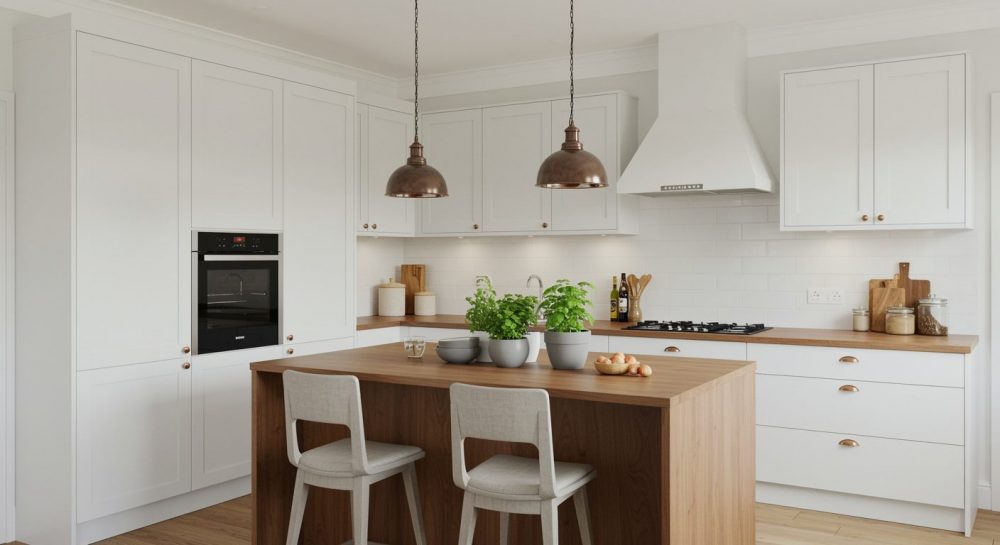 Universal access, which ensures the kitchen centre is safe, warm, and appropriate for people of all ages and skills, is among the foundation stones of building one. Universal access is essentially planning a kitchen appropriate for youngsters, adults, and elderly family members that enables navigation, reaching, and use of all locations devoid of excessive stress or harm risk.
Mixed-height work surfaces or changeable counter heights let adults cook while youngsters or older users may safely engage, hence becoming critical elements. Pull-out shelves, drawers, and lazy Susans substitute shallow cabinets for those with limited mobility or height so that storage is more quickly available. Since they lower physical effort and so prevent strain, lever-style handles, simple-grip knobs, and soft-close cabinets are advantageous to arthritic hands.
@ampquartzcabinets Cantikkan dapat dapur macamni 🥰 #AmpQuartz #kitchencabinet #dreamcabinet #fyp #pov
For elderly individuals standing for extended periods, non-slip surfaces reduce fall dangers; padded rugs at preparation areas help to reduce exhaustion; hence, the selection of flooring is just as vital. Large entrances make wheelchair, stroller, or walker use possible; obstacle-free passageways inspire independence for all users. Good illumination is especially important as it combines ambient light with intense task illumination to enable accurate kitchen chores and hence prevent shadows and dangers.
Integration of technology such smart devices with automated faucets or voice control also helps to increase comfort for people with limited strength or dexterity. Turning the kitchen into a really inclusive environment where several generations may prepare meals, engage, and complete daily chores together first priority universal access fosters connection while maintaining comfort and safety for all.
The Kitchen Hub 3: Multi‑Functional Work Zones
In a multi-generational kitchen, multi-functional work spaces are absolutely necessary since the setting must satisfy each family member’s different needs, tastes, and energy levels. These spaces are intended to enable several events to occur at once, therefore promoting easy participation and output as opposed to just one counter for food preparation.
Adults might cook nearby; teenagers and kids can convert a prep area into a homework or laptop table. A central island might have a breakfast bar or casual eating space; therefore providing a setting for quick meals, casual talks, or even a place for seniors to unwind and help with kitchen duties without encroaching. Supportive seats for the elderly, lower tables for younger kids, and adolescent stools allow for seating options to vary across these regions, therefore ensuring comfort and accessibility for all.
Beyond cuisine and social activities, multi-functional spaces might include coffee alcoves for adults, snack stations for kids, or pull-out drawers for regularly used tools, therefore keeping the area tidy and efficient. These regions benefit from proper lighting and power supply as well since they enable continuous cooking, reading, or device charging.
Combining utility, accessibility, and inclusion in a harmonious, tastefully created environment, multi-functional work areas transform the kitchen into a hub for sharing experiences, collaboration, and lifelong learning, hence strengthening family ties and daily ease.
The Kitchen Hub 4: Integrated Social Areas
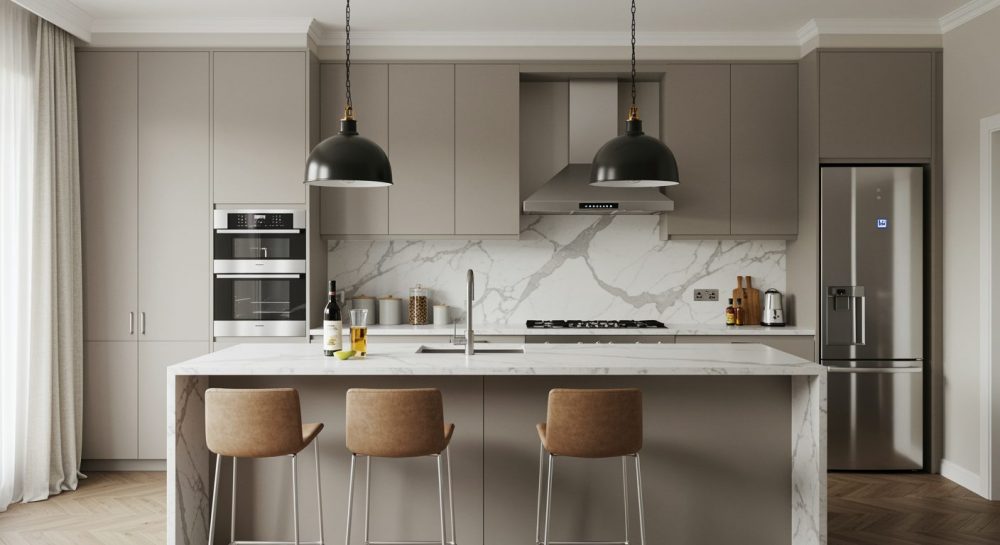 Integrated social areas are very important in a multi-generational cooking centre for promoting cooperation, teamwork, and family cohesion, hence extending the kitchen beyond just a place for cooking. The middle meeting point of these sites seeks to be where members of many ages may naturally mix while participating in a range of activities.
Usually the centre point of the social scene, a central island provides a flexible space for supper preparation, informal dining, or group initiatives like adolescent craft or baking with kids. Many generations may participate simultaneously without seeming crowded thanks to adjacent seating layouts including a mix of seats, benches, and cozy chairs. The design encourages interaction and participation so that adults making meals can interact with children finishing schoolwork, elderly telling tales, or teenagers eating snacks all within the same visual context.
@ampquartzcabinets Ade tak geng2 yang suka baking? 😍 #AmpQuartz #bakingarea #bakingcabinet #kitchencabinet #fyp
Including multipurpose areas like a coffee or snack station guarantees that family members may engage in alone activities without interrupting current cooking chores yet still be involved in the shared setting. Usually strong and simple to clean, materials and finishes in these areas may resist spills and intense use common in a busy multi-generation kitchen.
Deliberate lighting also elevates the mood by blending warmer, softer lights to set a friendly atmosphere for discussion with more powerful task illumination for preparatory chores. Integrated social areas turn the kitchen into a real family centre hence promoting connection, cooperation, and shared experiences that help to strengthen relationships over several generations.
The Kitchen Hub 5: Aesthetics That Appeal to All
Designing a gorgeous kitchen for people of many ages involves fusing traditional design components with original, imaginative features that draws several age groups. Starting with a simple and versatile basic hue, a multi-generation kitchen centre should feature soft creams, warm greys, or subtle pastels to serve as a soothing background for the room.
These colours help the kitchen welcome elderly people and little children everywhere by inspiring equilibrium. At this foundation, accents textures and colours give character without consuming the room. Bright cabinet pulls, decorative open shelving, or a splash of vivid tiles behind the cooktop, for example, could reflect the family’s personality while remaining flexible as preferences evolve over time.
Adults get a refined appearance with beautiful and sturdy materials such quartz or wood veneer, which also perform nicely in energetic houses. Material choices are just as quite important. Each generation will feel seen in the area thanks to custom displays — framed family photos, kids’ artwork, or travel mementos.
Task lighting mixed with warm ambient lighting provides a cozy setting ideal for entertaining, cooking, or studying, therefore improving the visual appeal of the kitchen. Adding distinctive elements to a basic, timeless foundation turns the kitchen into a multi-generational meeting place where beauty and practicality coexist flawlessly for every family member.