- By: Ryo
- Tags: Compact Kitchen Horrors, design for small kitchen, design tips for small kitchens, small kitchen errors, small kitchen issues, small kitchen mistakes, small kitchen problems
- Category: Compact Kitchen Horrors
- 0 comment
Compact kitchen horrors may turn a dream house into a resell catastrophe when bad design decisions limit appeal and usefulness. Cramped designs, clumsy storage, and incongruous fittings exacerbate daily cooking and discourage prospective purchasers. Staying clear of these traps guarantees that your kitchen is still useful and a great marketing asset for your house.
Compact Kitchen Horrors 1: Over-Sized Appliances
Among the most frequent but expensive errors in small kitchen design is utilising over-sized equipment. While a large double-door refrigerator or a professional-grade range may appear like a luxury addition, they may occasionally cause more harm than benefit in a tiny kitchen.
Large appliances dominate the limited floor space, therefore disrupting traffic flow and lending the kitchen a small and unequal appearance. Rather of enhancing usefulness, they limit available counter area, constrain motion, and generate odd pinch points purchasers quickly notice. Large appliances can also disturb visual ratios, causing cabinets and counters to seem smaller and badly constructed.
This conveys to potential purchasers a lack of painstaking design rather than superior worth. Normally, buyers in resale scenarios rank usability and practicality first priority, particularly in metropolitan houses or flats where room is already restricted. Not those that overwhelm it, they prefer appliances that fit perfectly with the design. Large appliances also limit future flexibility; consumers may worry about replacement costs or compatibility if they want to upgrade later.
This observed hardship could become a negotiating tool, hence reducing the marketability and final sale price of your house. In contrast, correctly sized, built-in, or slimline appliances maximise accessible space, provide a uniform look, and increase everyday utility. Smart sizing in a small kitchen sends intended design; oversized appliances swiftly become a visual and functional liability that mildly reduces resale value.
Compact Kitchen Horrors 2: Ignoring Clearance Space
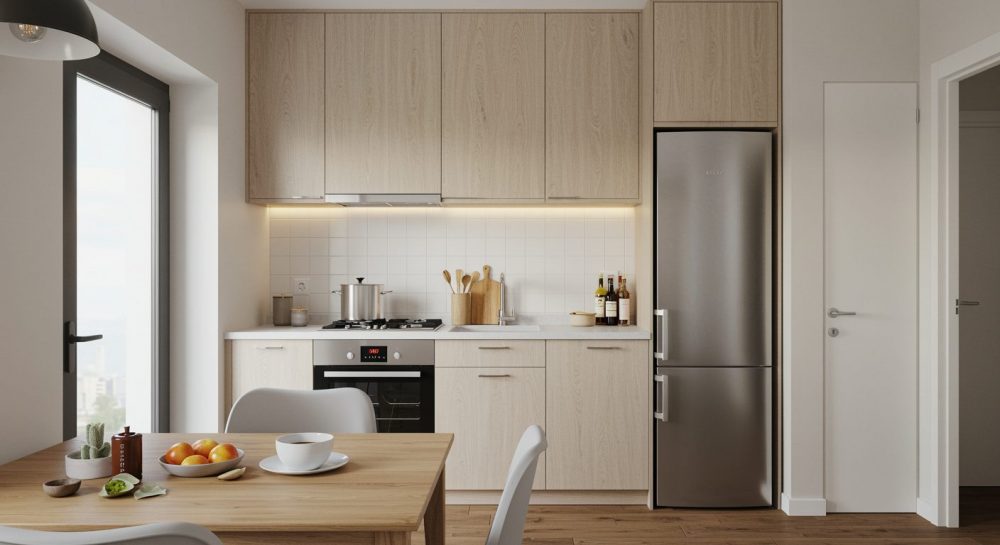 Ignoring appropriate clearance room is among the most damaging yet sometimes overlooked elements of small kitchen design. Every centimetre counts in little kitchens; if clearance is badly designed, the area rapidly gets annoying to use and unappealing to possible purchasers.
Common blunders include oven doors opened so as to prevent footpaths, cabinets doors hitting appliances, or refrigerators placed so closely as to hamper drawer and shelf opening. Although they appear small at the design stage, these problems become daily annoyances that consumers immediately see during showings. Too little aisle distance between counters or islands gives the kitchen congested and awkward appearance, therefore restricting movement and making it impossible for more than one person to cook concurrently.
@ampquartzcabinets Jom lah shopping dengan kitorang, kita bagi 𝗜𝗻𝘀𝘁𝗮𝗹𝗺𝗲𝗻𝘁 𝗣𝗹𝗮𝗻 𝗨𝗽 𝘁𝗼 𝟮𝟰 𝗠𝗼𝗻𝘁𝗵𝘀😜 📞Call kita untuk sebarang pertanyaan okie: https://go.wa.link/ampquartz 📍Datang je serbu showroom kita kat 82, Jalan Gaya 1, Taman Gaya, Ulu Tiram, 81800 Johor Bahru atau korang Waze je https://waze.com/ul/hw23bfh9s4 #sinteredstone #ampquartz
Bad clearance lowers safety in tiny designs as well, which raises the probability of collisions, spills, and injuries. From a resale point of view, a kitchen that seems restricted indicates poor planning and low functionality — two big warning signals for contemporary purchasers. Regardless of its appearance, a kitchen immediately seems “wrong” if buyers find difficulty to move about or open a cabinet.
They frequently picture themselves using the area. Ignoring clearance space also restricts next flexibility and makes upgrades or appliance replacements challenging. In essence, a small kitchen without suitable clearances feels ineffective, inconvenient, and badly conceived, therefore greatly lowering perceived value and causing purchasers to doubt the general quality of the house.
Compact Kitchen Horrors 3: Cluttered Countertops
Among the most ignored but damaging design faults in small kitchens are untidy countertops. Counter space is restricted in little kitchens, hence overloading it with decorative goods, equipment, or electrical appliances might fast make the space appear crowded, untidy, and ineffective.
Prospective homeowners usually understand this right away since an untidy surface betrays constrained feasible area and inadequate planning. Smaller kitchens show every inefficiency, hence magnifying the effect of a badly created plan, unlike bigger ones where some degree of clutter might be absorbed. Further upsetting the kitchen’s flow, crowded counters make food preparation and cleanup difficult. If, for example, electric tools or personal goods clog the stove, sink, and prep surfaces, the kitchen gets really challenging to use and hence affects its attractiveness.
Furthermore, a crowded counter can reduce the impression the kitchen is, so making it seem smaller than it is. As consumers tour their home, they imagine themselves residing there; a disordered counter impedes their capacity to visualise a small, realistic kitchen. From a resale point of view, even little clutter highlights the imperfections of the kitchen and reduces usability, therefore somewhat lowering perceived worth.
To ensure counter spaces stay roomy and spotless, small kitchens should top priority offer smart storage solutions including pull-out drawers, wall-mounted racks, and multipurpose furniture. By improving daily utility and boosting the resale value of a home via clean counters, they essentially boost appeal.
Compact Kitchen Horrors 4: Cheap or Inconsistent Materials
 One of the most sometimes seen but ignored design mistakes in small kitchens is the usage of subpar or unequal materials, an error that may significantly reduce a property’s market worth. Though it could be tempting to save money on cabinetry, countertops, or hardware during a refurbishment, purchasers are fast to pick up on a low-quality or incongruent kitchen.
Improper finishes among appliances, knobs, and surfaces as well as particleboard countertops that chip or stain or weak cabinet doors that warp readily add to a sense of clutter and neglect. In a tiny kitchen where every visual and practical component is magnified, these mistakes become especially clear. Apart from their looks, inconsistent materials show possible maintenance issues, thus discouraging prospective buyers to commit.
@ampquartzcabinets 5G Aluminum European hanya RM12,999 je? Cepat PM kami untuk dapatkan harga promo ni! 🤩🥳 #AmpQuartz #KitchenCabinet #5GAluminium #endyearpromo #fyp
Moreover, the lack of coherence between elements such as clashing cabinet colours, inconsistent laminate patterns, or hardware that does not fit with the overall design can render the area untidy and unplanned. The little consequences of these decisions add up: a kitchen meant to feel sleek and efficient seems patchy and undervalued. Even on a tight budget, buying durable, uniform materials will significantly increase visible quality as well as practical value.
As customers are drawn to kitchens that look carefully built to survive, retaining consistency in materials and finishes is rather critical. Especially in small kitchens when visual harmony is vital, affordable or mismatched materials discreetly but drastically damage resale value.
Compact Kitchen Horrors 5: Lack of Storage Innovation
Among the most often seen and costly mistakes in small kitchen design is a lack of storage creativity; this error may considerably lower the resale value of a property. Little kitchens require every square inch; not using it judiciously could make the space seem congested and difficult.
Many homeowners go for traditional cupboards, thus missing possibilities for creative solutions like pull-out pantries, corner carousels, deep drawers, or vertical storage that makes best use of wall space. Without these innovations, objects like pots, pans, and little appliances often end up cluttering counters and generating a busy and unfavourable scene.
Because it signals daily bother and minimal utility, buyers rapidly notice when a kitchen lacks useful storage. Well-considered storage solutions, on the other hand, convey messages of careful planning, ease of use, and close attention to detail — traits that much increase buyer attraction. Even with minor changes like constructed spice racks, beneath sink organisers, or drawer dividers, perception can be radically altered. Lack of storage innovation also makes it difficult for small kitchens to fit modern life, where people need specialised areas for recycling containers, meal preparation equipment, and electronic devices.
In the present cutthroat housing market, a kitchen that appears under-equipped or untidy can swiftly turn off potential buyers, hence lowering resale value. Investing in smart storage solutions not only enhances usability but also raises the visual appeal, hence making the kitchen seem bigger, tidier, and far more attractive, therefore protecting and even growing the market worth of the property.

