
- By: Ryo
- Tags: Countertop Installation Blunders, countertop installation tips, Kitchen Countertop Installation, tips for kitchen countertops
- Category: Countertop Installation Blunders
- 0 comment
Countertop installation blunders can be avoided if home owners know the areas of concerns to be aware of. There are many key areas to be aware of to ensure proper countertop installation. Listed below are some important aspects to know.
Countertop Installation Blunders 1: Skipping Professional Measurement
One of the most often regretted mistakes homeowners make about countertop installation is passing professional measurement. While it may appear simple to measure your kitchen or bathroom countertops at first sight, mistakes of as little as a few millimetres can lead to expensive and annoying effects.
Incorrect length, width, or corner angle can cause ill-fitting countertops that do not line correctly with cupboards, appliances, or walls. This could result in obvious gaps, unequal overhangs, or misaligned sink and stovetop cutouts — problems that not only compromise the appearance of your house but also its function. Homeowners who use only DIY measurements frequently incur extra costs for recutting materials or even buy completely new slabs.
Moreover, each substance such as natural stone, quartz, or solid surfaces has particular installation needs that experts are taught to fit during the measurement stage. Additionally raising the chance of neglecting architectural components such as wall irregularities, cabinet levelling problems, or the need for reinforcements for heavier materials is skipping of professional advice. To obtain exact dimensions and account for variables most homeowners just won’t expect, a professional fabricator or installer will employ laser-guided instruments or digital templating solutions.
Investing in expert measurement can eventually save money, maintain design integrity, and prevent delays. Cutting corners here often leads to regrets that could have easily been avoided with professional advice; therefore, this is a crucial first step laying the foundation for a smooth countertop installation.
Countertop Installation Blunders 2: Choosing Style Over Function
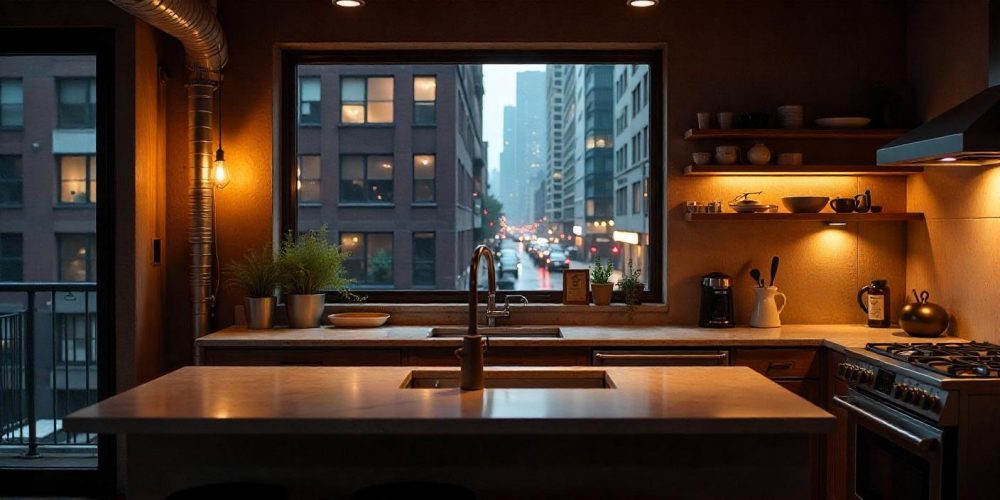
Homeowners who most frequently regret counter installation mistakes are those who give form over function priority. Choosing a surface simply for its beauty like marble or the industrial cool of concrete — though appealing, many of these materials require maintenance that does not fit daily life.
Marble, for instance, is porous and stains, etches, and scratches very readily, therefore it’s not a particularly great option for busy kitchens or homes with small children. Over time, concrete countertops also risk cracking; hence continuous sealing is required to preserve their look and usefulness. In preference of a bold visual impact, homeowners often overlook these facts only to discover themselves angry with noticeable wear or intensive maintenance.
@ampquartzcabinets MID YEAR SALE 1-31 JULY!! 🤩🥳 Jom dapatkan quotation percuma dengan kami! 🥰🫶🏻 #AmpQuartz #KitchenCabinet #FullHouseCabinet #MidYearSale #JulySale #fyp #fyppage
Selecting a countertop should include a thorough knowledge of long-term durability, cleaning practices, and lifestyle requirements rather than just falling in love with a showroom sample. Though at first glance they may not provide the same “wow” factor, materials such quartz, solid surface, or high-pressure laminates often surpass trendier alternatives in resilience and simplicity of maintenance. When countertops begin exhibiting indications of damage within only a few months of use, this error becomes especially regrettable.
To avoid this error, homeowners should ask themselves important questions about how they daily use their kitchen and seek expert advice on which materials best suit their routines. Ultimately, a gorgeous countertop that falls apart under practical conditions quickly loses its appeal — function should always lead with style as the supporting player.
Countertop Installation Blunders 3: Ignoring Structural Support
One of the most under appreciated but vital countertop installation mistakes homeowners most often regret is neglecting the need of enough structural support. Often occurring with hefty materials like granite, quartz, and concrete, this problem calls for robust, steady bases to avoid cracking, sagging, or even crumbling over time.
Many homeowners believe their current brackets or cabinets are adequate only to find too late that unusually formed counters, extended islands, or unsupported overhangs stress fragile areas. Especially fragile are places such breakfast bars or cantilevered corners; weight without extra supports like corbels, steel braces, or plywood sub tops can result in long-term structural damage to cabinetry and flooring underneath as well as the countertop itself.
Regrettably, this sometimes becomes clear only after apparent damage happens or safety becomes a worry. Countertops have been shown to move or shatter when leaned on, especially when installed without consulting structural demands in worst-case situations. By skipping suggested support systems, homeowners might also inadvertently void product warranties. Working with qualified experts who evaluate the design and the countertop material is absolutely vital to find reinforcement requirements so avoiding this expensive error.
Though it might seem like a minor planning error, disregarding structural support is one that could result in costly repairs, safety hazards, and severe inconvenience in later life. Early investments in appropriate support guarantee a long-lasting, faultless countertop installation combining strength with beauty.
Countertop Installation Blunders 4: Forgetting About Appliance Fit
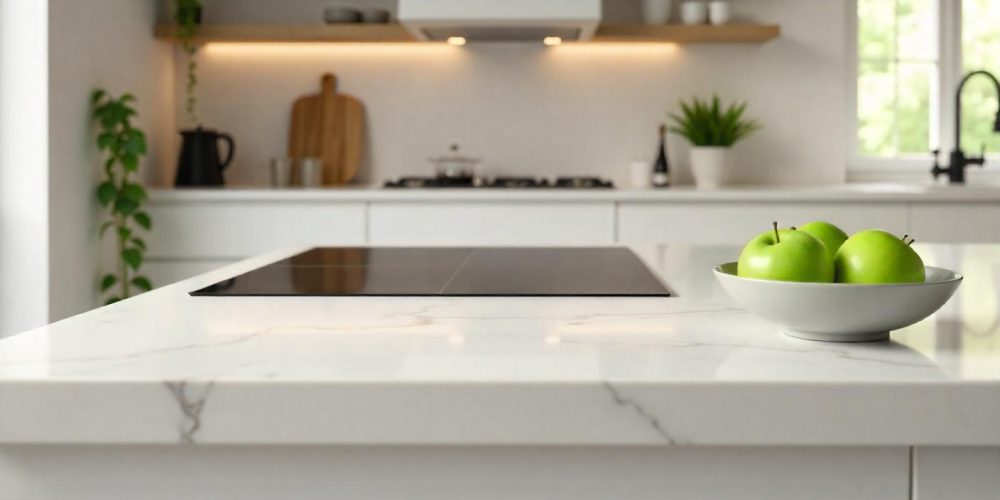
Among the most frequent and expensive countertop installation errors homeowners come to regret is forgetting about appliance fit. Choosing lovely materials and finishes is simple, but forgetting how your new countertop fits with your current or expected appliances might cause severe functional problems.
Dishwashers can no longer fit closely; oven doors may not open fully; and refrigerators could wind up squeezed or obtrusively sticking out. This problem sometimes appears when homeowners set counters before confirming appliance sizes or neglecting clearance requirements for plumbing, wiring, or venting. Your entire kitchen workflow can be thrown off by even a small error.
@ampquartzcabinets Nak buat storage macamni? Mehh DM kita sekarang ☺️❤️ #AmpQuartz #storagecabinet #kitchencabinet #fyp #fyppage #fyppppppppppppppppppppppp
If your countertop hangs over too far, for instance, it could block dishwasher doors or access to drawers. Built-in appliances such as cooktops or under counter microwaves might not sit flush if the height is incorrect, therefore posing aesthetic and safety issues. These setup mistakes not only make life difficult but also pricey to correct as they usually call for countertop alterations or, even worse, full replacements. Choosing your appliances early in the renovation process and giving your contractor or fabricator their precise specifications will help you to avoid this regret.
Precision, appliance-specific measurements guarantee your counters are cut and fitted flawlessly to fit every fixture. In essence, neglecting appliance fit can undermine a gorgeous countertop project, converting a dream kitchen into daily aggravation. Forward thinking can shield you from pointless delays, extra expenses, and long-term displeasure with the design of your kitchen.
Countertop Installation Blunders 5: Overlooking Backsplash Integration
Among the most often regretted countertop installation mistakes homeowners make is neglecting backsplash integration during the planning stage. Though the countertop might be the highlight of the kitchen, the backsplash serves a critical backup part in both usability and design continuity.
Not arranging these two components can result in mismatched materials, uncomfortable gaps, or abrupt changes that upset the general appearance. For instance, if the backsplash is selected once the countertop has been placed, homeowners could discover constrained material or colour choices that somewhat match or complement the countertop.
Furthermore, misalignment problems between the edge of the countertop and the beginning of the backsplash especially around corners, windows, or uneven walls may exist without appropriate preparation. This not only appears chaotic but can also expose spots to oil and humidity buildup. In some instances, the incorrect height of outlets or switches might completely disrupt the backsplash design. Treatment of the backsplash and countertop as a single visual and practical feature is what helps to create a unified kitchen design.
Early homeowner engagement with their contractor or designer helps them to plan the height, materials, colour schemes, and backsplash to countertop transitions, thus foregoing expensive modifications later. Considerably improving both beauty and usability, taking the time to imagine how these surfaces will interact produces a flawless finish. Ignoring backsplash integration finally sounds like a minor error, yet it can seriously impair the ultimate appearance and function of the kitchen area.

