- By: Ryo
- Tags: home kitchen design, Kitchen Aesthetic Mistakes, kitchen aesthetics, kitchen design choices, small kitchen design tips
- Category: Kitchen Aesthetic Mistakes
- 0 comment
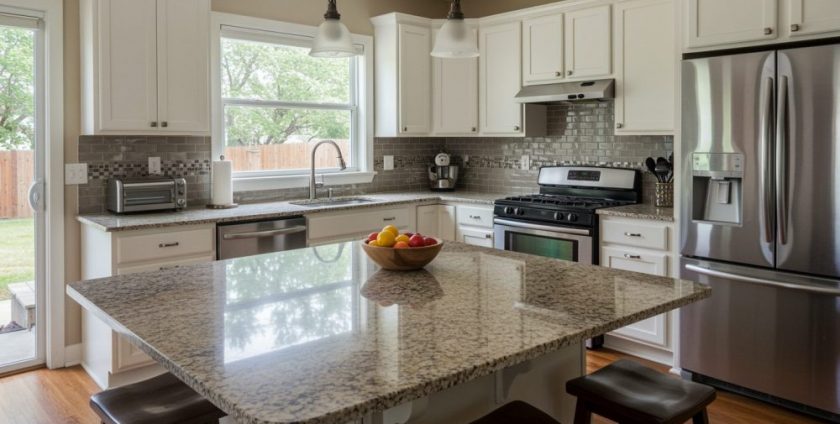
Kitchen aesthetic mistakes especially in smaller homes can start from homeowners who give looks before usefulness. Choosing large fixtures, gloomy colour schemes, or unsuitable materials will cause a tiny kitchen to feel cramped and difficult to maintain. Real beauty is balance, where design improves utility without compromising space or comfort.
Kitchen Aesthetic Mistakes 1: Prioritising Style Over Storage
Giving form above storage is among the most often committed culinary design errors that compromises practicality in a tiny area. Many house owners pick sophisticated, basic designs that look well in photographs but overlook daily usability.
Choosing open shelving, floating counters, or fewer upper cabinets could create a modern look, but often means the loss of significant storage capacity. Small kitchens require every square inch; without enough cabinets or drawers, counters soon become piled with cookware, gadgets, and pantry staples, therefore creating visual clutter and restricted atmosphere. The result is a kitchen that appears disorganised and smaller than it is.
Although it’s just natural to love the clean lines of a show kitchen, design choices ought to be guided by utilitarianism. Pull-out pantries, corner cabinets, and deep drawers — advanced storage choices help to create a fashionable appearance without sacrificing practicality. Modern finishes on closed cabinets allow homeowners to hide daily mess while still maintaining the area fashionable by giving order as well as elegance. Finding balance between beauty and practicality is the key to ultimately achieving real success in kitchen design.
Over time, especially in small quarters where rubbish accumulates quickly, a beautiful kitchen that doesn’t function well would only bring annoyance. Homeowners who initially pay Having a kitchen that is not just practical every day and comfortable but also beautiful and effective could be achieved by attention to storage then adding flair with finishes, lights, and embellishments.
Kitchen Aesthetic Mistakes 2: Choosing Oversized Fixtures or Furniture
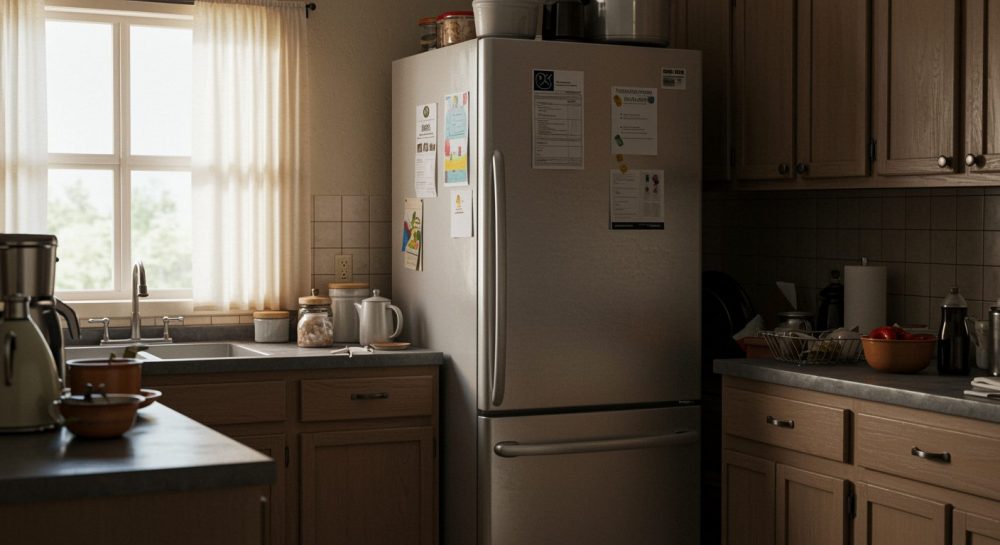 One of the most often made aesthetic mistakes in the tiny kitchen design is choosing big light fixtures or furniture to dominate the space. While large pendant lights, wide bar stools, or substantial furniture might make a strong visual statement, they often come at the price of comfort and practicality.
In tiny kitchens every inch counts; too large objects might impede movement, limit workspace, and make the space seem untidy. Pictures might depict an enormous island or dining table elegantly, but it can disrupt the natural movement between cooking zones and call for users to compress past tiny spaces. Likewise, huge light fixtures can physically overfill the ceiling, produce unequal shadows, and shrink the size of the space.
@ampquartzcabinets PM kami untuk dapatkan harga kabinet macamni or else korang nak custom kabinet sendiri pun boleh! 🤩 #AmpQuartz #KitchenCabinet #customcabinet #dapurcantik #cabinetmaker #johorbahru #pakejmurah #promopakejkabinet #fyp #fyppppppppppppppppppppppp #fyppage
Tall upper fixtures not properly proportioned can also overshadow the ceiling, creating patchy shadows. Deep lower drawers or cabinets can appear overwhelming and impede access. Achieving style and functionality in a little kitchen depends on balance and proportion. Selecting sleek furniture, tiny gadgets, and modern lighting keeps transparency.
Low-hanging but little pendant lights, slim stools, and shallow cabinets guarantee the design appears coordinated rather than disheveled. Really, great design concerns how harmoniously everything works to produce a kitchen that is efficient, welcoming, and aesthetically balanced rather than how grand each piece looks separately.
Kitchen Aesthetic Mistakes 3: Neglecting Ergonomic Flow
Ignoring ergonomics is one of the most disregarded yet powerful kitchen design errors that may dramatically limit usefulness in a tiny room is flow. Many homeowners concentrate on building a visually spectacular kitchen—perfectly aligned cabinets, symmetrical designs, or striking islands without giving any thought to how these decisions impact daily mobility and workflow.
A badly designed kitchen may throw the natural “work triangle” linking the sink, oven, and refrigerator off, therefore every centimetre counts in small kitchens. Even basic cooking activities become annoying when these components are placed too far apart or impeded by décor like large islands or exhibition cabinets. Aesthetic decisions including putting the oven near the refrigerator for symmetry or selecting handleless cabinets that are difficult to open with moist hands may seem elegant, but they obstruct functionality.
Furthermore, constant back-and-forth movement resulting from small paths, inappropriately placed drawers, or limited counter space between important rooms consumes time and energy. While reducing clutter and collisions, a well-designed compact kitchen should let fluid transitions between preparation, cooking, and cleaning areas. The ideal strategy combines form and function by selecting small, well-placed appliances, maximising vertical storage, and guaranteeing simple, pleasant paths for movement.
By giving ergonomic flow top priority homeowners may appreciate a kitchen that not only seems unified and classy but also improves daily productivity and comfort, hence demonstrating that true aesthetic attraction may elevate beauty in design comes from simple usability.
Kitchen Aesthetic Mistakes 4: Overdecorating Countertops
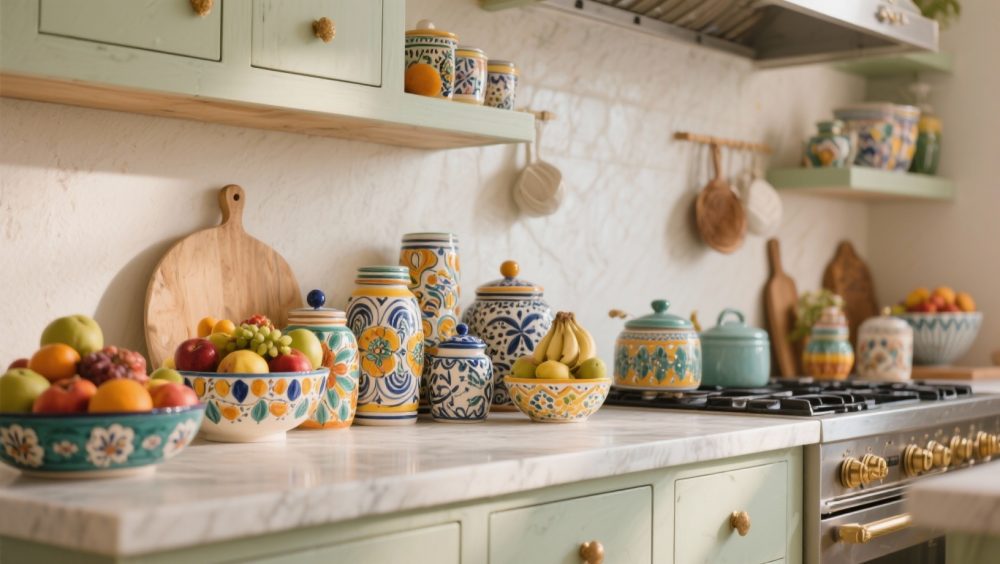 Overdecorating the counters is among the most frequently produced culinary aesthetic errors compromising utility in a little area. Trying to offer counters, several homeowners compress decorative jars, tiny potted plants, chic utensil holders, and a range of appliances.
The kitchen has a classy and well lived-in appearance. These things look harmless, yet they soon take up limited kitchen space. Counter should be first and foremost a useful cuisine preparation surface rather than a museum exhibit piece. Decorating creates visual turmoil that compresses the space and makes it appear more disorganised than it is.
@ampquartzcabinets Save this video for your reference! 🥰 #AmpQuartz #KitchenCabinet #KitchenRenovation #dapuridaman #fyp
Furthermore complicates organising and cleaning as every cooking session calls for repositioning of objects only to create space. A well-planned small kitchen balances beauty and functionality by showing only the basics such as a coffee maker or cutting board and concealing the remainder behind drawers or cabinets. Choosing wall-mounted racks or vertical storage solutions will preserve usability as well as flair without overusing the little surface area.
Here minimalism is key: A neat counter free of clutter enhances the appearance, arrangement, and calmness of a tiny kitchen. By embracing simplicity and consciously making design choices, homeowners can develop a space that is both beautiful and useful for regular life.
Kitchen Aesthetic Mistakes 5: Ignoring Proper Lighting Layers
Ignoring adequate lighting layering is among the most under appreciated but effective tiny area kitchen design errors. Many households believe one strong lamp will suitably illuminate the whole kitchen and so concentrate only on overhead illumination. This method, however, frequently produces strong shadows and under-lit sections especially over counters and sinks where task clarity is paramount.
Working in a little kitchen without layered lighting — ambient, task, and accent can seem dark, limited, and unrealistic. Though pendant lights provide a sophisticated flair, they rarely provide the focused illumination required for cooking, for instance. Relying only on ceiling lighting also flattens the aesthetics of the space, therefore giving it a one-dimensional aspect.
Under-cabinet lighting or LED strips also improves mood and useful use by removing shadows and visually broadening the room. For instance along kick boards or inside glass cabinets, accent illumination gives depth and refinement without overwhelming the plan. Selecting the appropriate colour temperature is just as important; warm hues support a pleasant dining experience while cool white illumination improves visibility while cooking.
Finding the perfect mix of these elements turns a tiny kitchen from just beautiful to really cozy. Besides emphasising visual elements like countertops or backslash tile, good lighting design enhances security, usefulness, and mood. Missing layered lighting in small kitchens where every part counts is a design blunder that might fast convert a lovely area into one unusable.

