- By: Ryo
- Category: Kitchen Symmetry Secrets
- 0 comment
Kitchen symmetry secrets centre on arranging elements in a small space to achieve visual balance and a peaceful atmosphere. Every inch seems deliberate and organised when cabinets, countertops, and appliances are aligned carefully. This exact symmetry turns even the tiniest kitchen into a calm, inviting place as well as improves performance.
Kitchen Symmetry Secrets 1: Balanced Layouts
With great symmetry as its basis, a balanced plan lets one create serenity and order in a compact kitchen. Good design guarantees that vital components — the sink, stove, and refrigerator are purposefully placed to create visual harmony and simplify work flow.
For instance, positioning the sink precisely across from the stove or creating a counter between two similar cabinets creates a natural rhythm that guides motion and prevents the room from seeming untidy. Small kitchens seem to have amplified even little inequalities; therefore, it’s really crucial to meticulously plan cabinets, counters, and appliances. Repeated design elements also aid to create a coordinated, harmonic environment: same knobs, consistent cabinet heights, and strategically positioned lights all serve to encourage symmetry.
Central focal points like a centred sink or a prominent kitchen station are anchors for all other elements to naturally fall about them. Defining natural spots for cooking, washing, and eating improves usability and raises visual appeal by means of this approach. Including uniform materials and finishes such coordinating countertops, cabinets, and flooring also promotes balance.
A basically well-balanced design turns even the tiniest kitchen into a calm, ordered place with careful placement for every component. Homeowners may highlight symmetry via exact positioning and repetition, hence demonstrating how brilliant design may transform a tiny space into a very appealing and neat haven by generating a compact kitchen.
Kitchen Symmetry Secrets 2: Central Focal Points
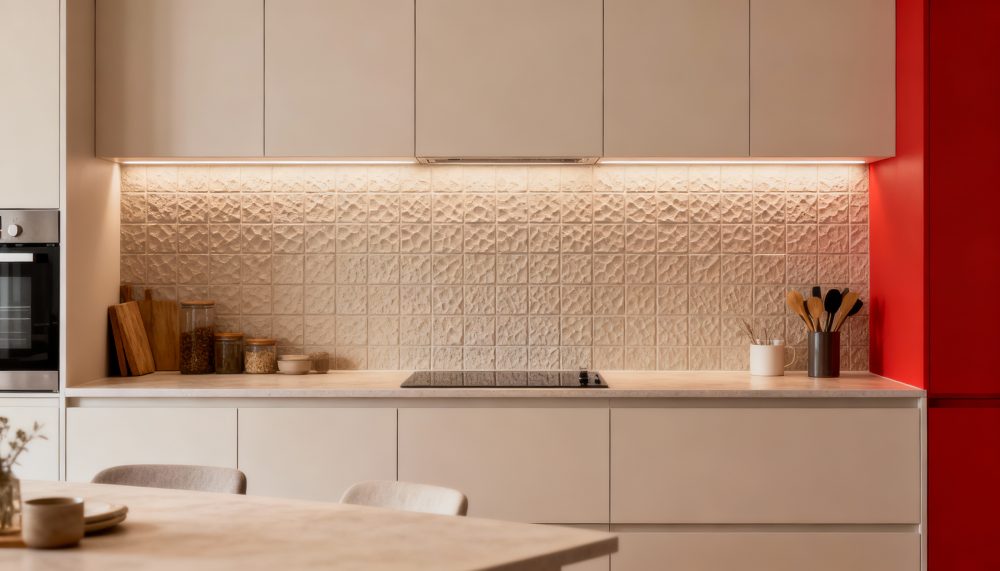 One of the most effective strategies to produce equilibrium, serenity, and visual order in a tiny kitchen is setting primary focal points. A central focal point forms the anchor around which the other kitchen elements are organised, therefore bringing equilibrium in an otherwise confined space.
Common decisions have aesthetic as well as functional aims: a striking backsplash, sink, or stove centred. By naturally leading the eye, therefore lowering visual clutter, positioning a main element centrally guides the direction of the arrangement. Relative to this central reference point, supporting elements such cabinets, counters, and appliances can then be arranged in a mirrored or symmetrical way to enhance balance.
@ampquartzcabinets Kalau nak dream kitchen kena lah spend sikit 🤭🥰 #AmpQuartz #kitchencabinet #dreamkitchen #dapurbajet #fyp
Supporting focal points that improve the main anchor while keeping symmetry are even decorative elements like pendant lights, shelves, or a centrepiece counter display. In small kitchens where asymmetry can seem overdone, a carefully chosen central focus not only aesthetically arranges the space but also makes daily tasks more intuitive as the design naturally guides movement from one workstation to another.
Using comparable tones or textures to boost coherence, materials, colours, and finishes close to the centre should also follow this sequence. Little kitchens can achieve a sense of calm, efficiency, and visual appeal far beyond their actual dimensions thanks to planned emphasis on key focal points, demonstrating that even the smallest spaces may express both utilitarianism and artistic beauty.
Kitchen Symmetry Secrets 3: Uniform Cabinetry and Storage
Matching cabinets and thoughtfully planned storage enable symmetry, serenity, and order in a tiny kitchen. Flat-front cabinets, consistent heights, and complementary finishes provide a visual cadence that keeps the space from seeming disordered or chaotic.
When top and bottom cabinets line up perfectly and appliance edges are expertly included into cabinet lines, the eye naturally sees balance therefore making even a little kitchen seem intentionally organised. This sense of balance is achieved by pull-out drawers, carefully set shelves, and hidden closets while nevertheless enabling quick access to everyday requirements without compromising the aesthetics. Matching knobs or the deliberate lack of handles both provide a smooth, unbroken flow over counters and walls and assist to improve uniformity.
Though homogeneity maximises both visual and practical efficiency, uneven or misaligned cabinets in small designs where every inch matters can make the kitchen look little. Using the same material and colour for cabinets over every storage area promotes cohesiveness, hence making the room appear bigger and more peaceful. Even with little ornamental elements like integrated lighting or same open shelves, symmetrical design may be improved; therefore, emphasis on order without sacrificing style is stressed.
Homeowners may ultimately turn a small kitchen into a calm refuge where usefulness and design cooperate by giving well thought out storage and uniform cabinets first priority. They might feel expansive and calm by creating lines, repetition, and visual coherence, therefore proving that symmetry is more than just a stylistic choice but also a way for sensible, stress-free life in restricted areas.
Kitchen Symmetry Secrets 4: Open and Even Spacing
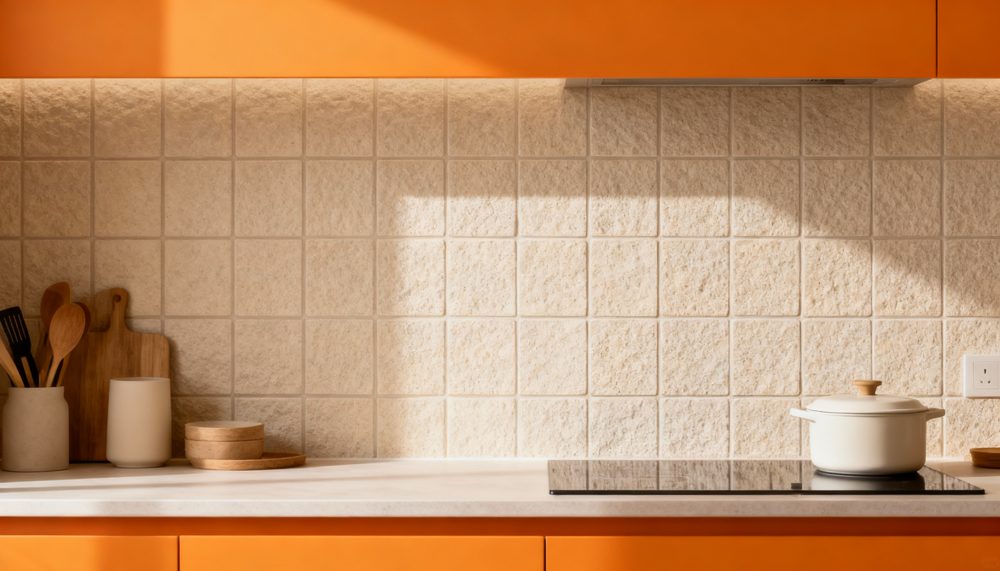
Achieving calm and order in a small kitchen sometimes depends on one little but strong idea: open and consistent spacing. Unlike bigger kitchens where lots of space can hide bad arrangement, little kitchens highlight every misinterpretation and congestion, so balanced spacing is absolutely vital.
Open spacing guarantees that every functional area — cooking, cleaning, or preparing has room to breathe, therefore enabling natural movement and minimising the visual clutter that can dominate a small plan. On the other hand, even spacing promotes symmetry by establishing uniform distances between cabinets, equipment, and fittings. Maintaining even distance between drawer handles or aligning the edges of upper cabinets with the base cabinets, for instance, helps to create a harmonic beat that seems intentional rather than random.
@ampquartzcabinets New produk in our showroom! 😍 CabSpray! Yang mana nak tukar warna kabinet tu boleh try this kind 🤩 #AmpQuartz #KitchenCabinet #CabSpray #johorbahru #fyp
Open and equal spacing also enhances utility since equipment and desks are simpler to reach without feeling claustrophobic. Furthermore, it improves one’s view of space; properly spaced voids between furniture and surfaces fool the eye into viewing a bigger, more ordered kitchen. Open shelves with consistent intervals or floating components at identical heights will help to magnify this feeling of symmetry while keeping a light, airy design.
Really, even the smallest details such as the alignment of tiles or the distance between pendant lights above a countertop contribute greatly to the establishment of order. A little kitchen can go from a cramped, cluttered room into a quiet, balanced one where every element adds to both functionality and aesthetic harmony by giving open and even spacing top priority.
Kitchen Symmetry Secrets 5: Consistent Colour and Material Choices
One of the most efficient means to establish symmetry, order, and calm in a small kitchen is the deliberate choice of colours and materials. Consistent across surfaces guarantees the eye glides across the area without visual chaos that might result from clutter in tiny kitchens.
Whether it’s soft neutrals, hushed pastels, or a monochromatic plan, choosing a consistent colour palette helps unite cabinets, countertops, walls, and flooring to provide a harmonic backdrop for everyday life. Repeating elements like employing the same counter finish throughout an island and surrounding counters or matching cabinet fronts with wall panels strengthens a planned and intended look.
Uniformity even benefits hardware, such as handles or knobs; consistent finishes and shapes improve the movement of the room. In small designs, strong contrasts or arbitrary accents can break symmetry; hence, prudent control of colour differences is vital. Not only do glossy or reflective surfaces in matching colours improve symmetry but they also boost light, therefore giving the kitchen a more open and neat aspect.
Furthering visual harmony is the inclusion of constant textures like sleek lacquered cabinets set next polished stone counters which helps a small kitchen into a place that is at once functional and visually serene by allowing every component to seem purposeful, balanced, and in alignment.

