- By: Ryo
- Tags: kitchen decor, kitchen design, kitchen design planning, kitchen space, kitchen space planning, kitchen space tips, Minimalist vs Maximalist
- Category: Minimalist vs Maximalist
- 0 comment
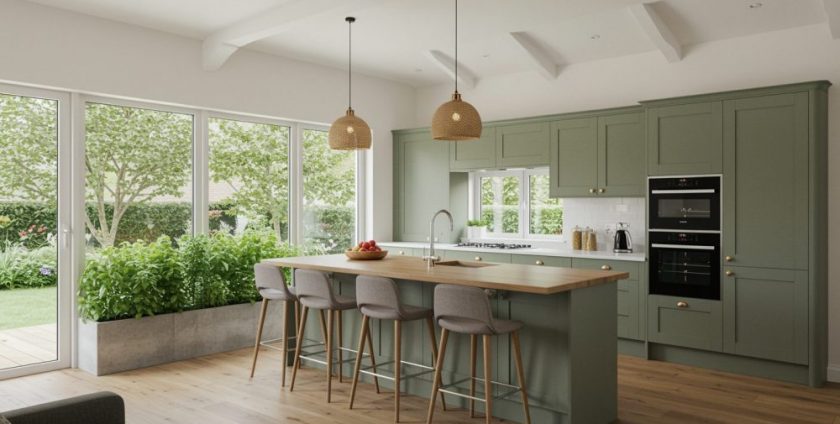
Minimalist vs maximalist methods to kitchen design can create a certain vibe within homes. In small kitchens, “going big” with maximalist decor sometimes overwhelms the area, giving it disordered rather than pleasant or fashionable. Emphasising deliberate, pared-down components guarantees both aesthetic appeal and pragmatic efficiency, therefore demonstrating that less can really be more.
Minimalist vs Maximalist 1: Spatial Limitations
Spatial limitations are clearly the most important element affecting design choices in tiny kitchens; hence a minimalist approach usually outperforms a maximalist one. Naturally, little kitchens lack space for extravagant decor, large appliances, or enormous furniture; trying to be clever will soon exhaust the area.
Emphasising clean lines, immaculate surfaces, and functional storage, minimalist design maximises both physical and visual space to produce an airy, open sensation even in a tiny kitchen area. Every element in a minimalist kitchen — sleek cabinets to painstakingly selected ornaments is calculated to keep the area neat and functional.
On the other hand, a maximalist approach combining many layers of decorative elements, bold designs, or statement pieces could make a small kitchen appear cramped and restricted, therefore reducing usefulness and access. Many components produce visual mayhem that limits motion as well as shapes ideas of space, hence shrinking the kitchen. Growing enormous in a small region may limit access to vital resources, disturb productivity, and inspire a feeling of confinement even with good intents.
By emphasising simplicity, order, and efficiency, minimalism capitalises on spatial limitations; in little kitchens, maximalism usually fails as it ignores these internal limits. Less is more when one is working in small spaces; focusing on utility and openness above decorative overindulgence guarantees a kitchen that is both beautiful and functional.
Minimalist vs Maximalist 2: Functionality vs. Aesthetics
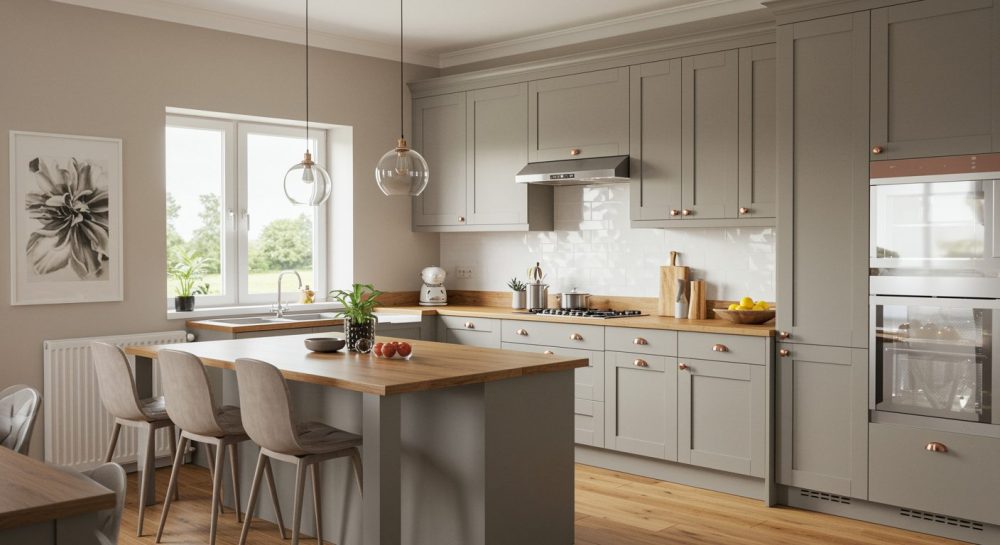 In small kitchens, the balance between aesthetics and utility presents a big design challenge, hence stressing why maximalist décor usually fails while minimalistic concepts thrive. In a tiny kitchen, functionality comes first; every square inch of countertop, every cabinet, and every appliance have to support a good flow.
Minimalist designs flourish here since they draw attention to crisp lines, multi-functional furniture, and neat storage solutions that allow quick access to cooking areas and clean countertops. Reducing ornamental lavishness guarantees the workspace stays practical, hence enabling the chef to move without impediment. By piling textures, colours, and accessories in a way that would take little room, maximalist design first provides visual richness.
@ampquartzcabinets Perempuan kalau dapat macamni auto rajin masak kan 🤭 #AmpQuartz #drawer #cooking #kitchencabinet #fyp #fyppage
Though strong patterns, clever shelving, and decorative accessories can make a strong impact in larger kitchens, in smaller plans they sometimes hinder utility, hence making cooking, cleaning, and storage more difficult. The urge to going large with decor may inadvertently reduce usage as every additional object consumes treasured surface space and visual attention. Utility still does not mean completely abandoning design.
Thoughtful aesthetic choices like a single assertion backsplash, sophisticated lighting fixtures, or merely selected colour accents can lend character without compromising efficacy. First by usefulness then by beauty should inspire design choices in a small kitchen. First, purpose guarantees that the area is stress-free, welcoming, and effective; clever aesthetics supply the last finishing touch without upset the balance into chaos.
Minimalist vs Maximalist 3: Visual Cohesion
Whether a tiny kitchen appears tidy or messy depends on visual harmony, so it clarifies sometimes why maximalist design could fail. Small kitchens highlight every visual nuance; therefore, mismatched or rather daring decor looks messy unlike in big kitchens where layered colours, textures, and patterns may coexist without overburden the senses.
Emphasising subdued tones, crisp lines, and intentionally chosen accessories helps minimalistic design flourish in these surroundings by opening and balancing. Along with imparting openness to the area, neutral tones or delicate contrasts enable practical features like cabinets and countertops to stand out without clashing with decorative objects.
On the other hand, maximalist methods using vivid colours, complex patterns, and numerous ornamental items can swiftly disrupt the visual rhythm and render even a spotless kitchen claustrophobic and disordered. Deliberate decorating that fits the whole theme rather than seeks attention is the secret of success in a modest kitchen. One statement backsplash, a dramatic light fixture, or a striking yet restricted colour emphasis can give personality without compromising unity.
Finding a harmony of form and function guarantees that the room mirrors the homeowner’s tastes and looks welcoming and muted, hence providing visual balance in tiny kitchens. Though small, a kitchen seems huge, clean, and inviting when well constructed; hence, less is often more in constrained environments.
Minimalist vs Maximalist 4: Psychological Impact
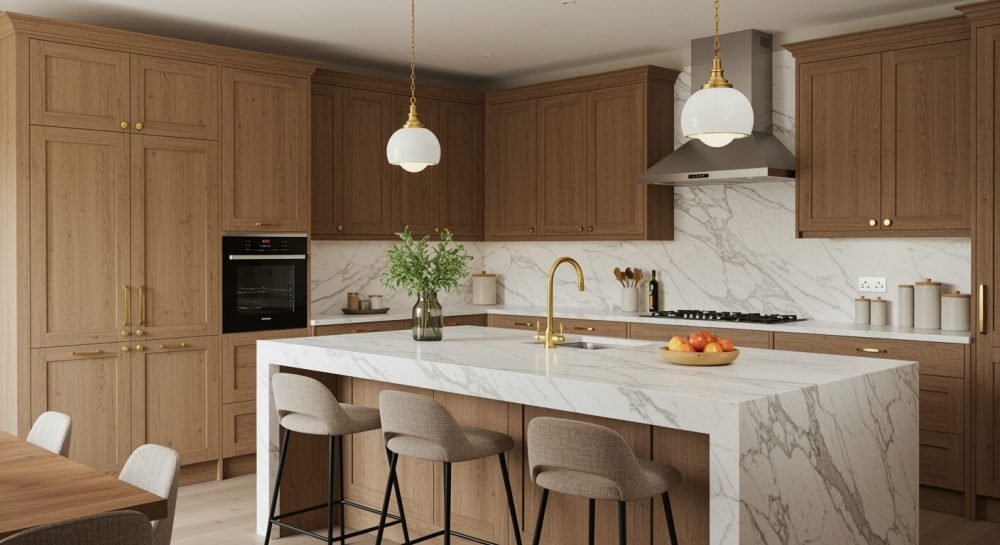 Particularly in small kitchens where the psychological impact of design choices is frequently more apparent than in bigger spaces, the argument between minimalist and maximalist concepts becomes extremely relevant. Minimalist kitchens encourage one to be calm and mentally clear because of their clean surfaces, subdued colours, and sharp lines.
Conservative decoration reduces visual clutter, so allowing the brain to focus on cooking, chatting, or other domestic tasks free from disturbance. On the other hand, a simple space maximalist kitchen — full of bold colours, tiered patterns, and several decorative objects can overload the senses and so cause confusion or conflict. In tiny rooms where every square inch of wall and counter is apparent and important, the same elements that make maximalism appealing — dramatic design statements and detailed decorations can occasionally backfire.
@ampquartzcabinets Kalau boleh semua cabinet nak pasang LED Lightning ek 🤭 #AmpQuartz #LEDLight #cabinet #fyp
Furthermore, uneven surroundings may unintentionally trigger anxiety or anarchy, therefore making daily kitchen chores more difficult than enjoyable. Often resulting from a deliberate balance, psychological comfort in tiny kitchens comes from the following: while maximalist elements can add personality and vitality, they should be strategic and restrained like a single statement backsplash, bold cutlery collection, or daring painting so that the area appears vibrant but not too overpowering.
Finally grasping the psychological and emotional effects of design decisions shows why minimalism and consistency help little kitchens appear light, cozy, and emotionally revitalising, therefore turning daily cooking into a more enjoyable and stress-free activity.
Minimalist vs Maximalist 5: Strategic Maximalism
While going big with decoration in small kitchens might easily backfire, deliberate maximalism provides a balanced answer allowing individuality without compromising utility. Unlike total maximalism, which occasionally crowds tiny rooms with untidy countertops, striking patterns, and extreme embellishment, strategic maximalism highlights selected statement items that draw notice without sacrificing use.
While the surrounding surfaces are clutter-free and clean, a bright pendant light, a bold backsplash, or a striking piece of wall art may provide visual appeal and character. Although this method preserves the openness and airflow so vital for tiny kitchens, it still calls for fundamental everyday cooking and cleaning activities.
Moreover, deliberate layering of textures and finishes such as a mix of wood, metal, or matte surfaces improves depth and subtlety without overpowering the space. Furthermore, minimalism’s psychological advantages are supported when a calm and organised environment is produced such that every ornamental element has meaning instead of superfluous. Homemakers can design a warm and alive unique kitchen with a splash of colour, unusual materials, or a few deliberately chosen decorative elements.
Strategic maximalism shows in little kitchens that a successful design is determined by the quality and location rather than by the number of decorations; so, it demonstrates that even a constrained, forward-looking strategy might result in bold, unforgettable style in tight quarters.

