- By: Ryo
- Tags: countertop tips, kitchen countertop habits, kitchen countertop planning, kitchen countertop tips, kitchen countertops, New Home New Rules
- Category: New Home New Rules
- 0 comment
New home new rules call for a reevaluation of daily routines that might secretly harm your countertops. Treat your surfaces like a cutting board or resting hot pans directly on them; these minor errors speed up deterioration. Early correction of these often made maintenance errors helps to maintain your new counters’ beauty and durability.
New Home New Rules 1: Stop Using Harsh Cleaners
First-time buyers most frequently make the mistake of depending on aggressive cleans to maintain counters. Though it would seem logical that more powerful chemicals would offer a more complete cleaning, these substances can really speed the aging of your surfaces.
Strong chemicals like bleach, ammonia, or abrasive powders could melt protective coatings, hence making stone, quartz, or laminate more susceptible to stains, scratches, and etching. Eventually, even apparently harmless acidic substances such vinegar or lemon juice can cause drab stains or long-term discolouration on natural stone surfaces.
Regular use of these abrasive cleaners can damage the structural integrity of some countertops — notably those made of wood or manufactured materials thus warping or pitting, hence the problem goes beyond simple visual attractiveness. Many times newly moved homeowners begin to over-clean, thinking that a gleaming counter better reflects maintenance. Though, this strategy backfires. Far safer is remaining with warm water and soft dish soap and softly cleaning surfaces with a soft cloth or sponge.
Moreover, pH-neutral, manufacturer-recommended cleaners guarantee surface protection for granite, marble, or quartz without damaging polish or durability. Breaking the practice of reaching for harsh chemicals will help to maintain fresh, sturdy counters. Early decay is stopped, and learning to clean thoughtfully also helps one save time, money, and suffering later on.
New Home New Rules 2: Don’t Cut Directly on the Surface
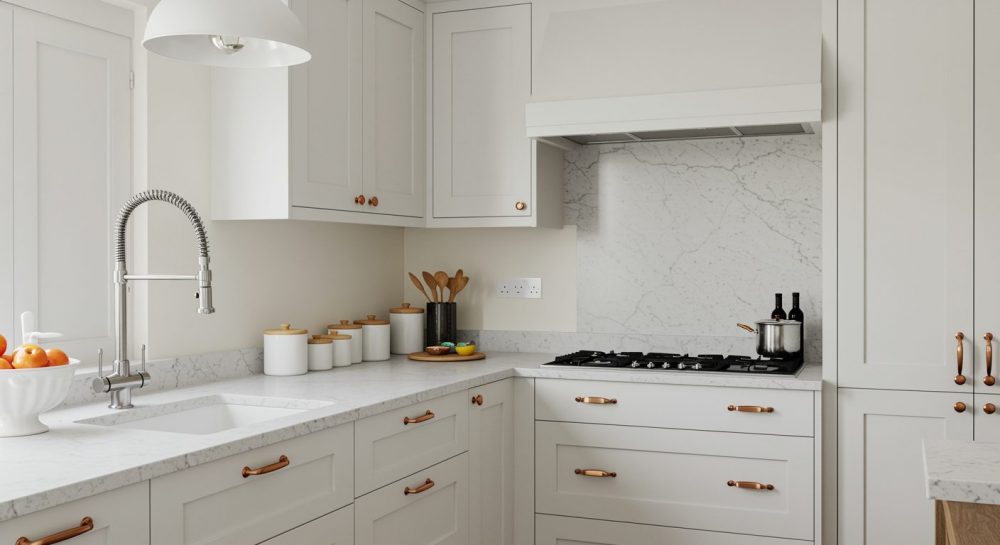 One of the most frequent mistakes inexperienced new homeowners make is cutting right on their counters, a habit seemingly innocuous but might have long-lasting effects on the appearance and longevity of the surface. Not immune to knives, scratches and tiny gouges even on the toughest counters like granite or quartz.
Repeated cutting over time without protection can damage the surface, make it worn, drab, and uneven, therefore compromising the aesthetic appeal of a new kitchen. Damage on more pliable surfaces like laminate or butcher block might be even more severe, perhaps exposing internal layers or splintering. Cutting directly on the countertop beyond the obvious wear dulls your knives faster, therefore double loss for both the surface and your kitchen instruments.
@ampquartzcabinets Kalau nak dream kitchen kena lah spend sikit 🤭🥰 #AmpQuartz #kitchencabinet #dreamkitchen #dapurbajet #fyp
Many homeowners underestimate the overall effect of daily food preparation since they are not aware of how every scratch speeds up slow rotting. Though simple, the answer is rather effective: always chop on a cutting board. Good boards, made of wood, bamboo, or plastic, protect both the surface and your tools’ lifespan by establishing a protective layer between your counter and your knives. Since they can be totally and independently cleaned away from the counter top, cutting boards also minimise the risk of bacterial infection.
By avoiding cutting right on the countertops, homeowners can keep their surfaces looking perfect, lengthen their life span, and have a more safe and effective cooking experience. Good housekeeping habits for new houses depend mostly on this little modification in kitchen habits, therefore ensuring counters that will look and serve for years to come.
New Home New Rules 3: Don’t Let Spills Sit
Letting spills linger too long is among the most frequent yet disregarded habits early on ruins fresh countertops. Leaving liquids on the surface — be it a drop of red wine, a sprinkle of coffee, or a smear of tomato sauce can leave ugly blemishes, etching, and even lasting material decay.
This is especially true for porous materials like marble, granite, and some kinds of quartz, which can soak up liquids and show unsightly blemishes that are difficult if not impossible to erase. Even low-maintenance materials like solid surface or laminate counters might develop sticky residue or water stains if spills are neglected.
Particularly if a small spill happens near to seams, borders, or grout lines where liquids are more likely to do so — homeowners frequently undervalues how quickly it might infiltrate the surface. To get rid of spills and so prevent this, clean with a light wipe of soft cloth or paper towel right away with mild soap and water. Using a cleanser precisely advised by the counter maker ensures the surface is protected without damaging more permanent stains or leaving scars.
Creating quick spill response helps to maintain the structural integrity and finish of counters, therefore extending their lifespan as well as increasing their appeal. For years to come, homeowners may savour a pristine, worry-free counter surface that keeps improving the look and practicality of their kitchen by breaking the habit of leaving it for later.
New Home New Rules 4: Resist Over‑Cleaning
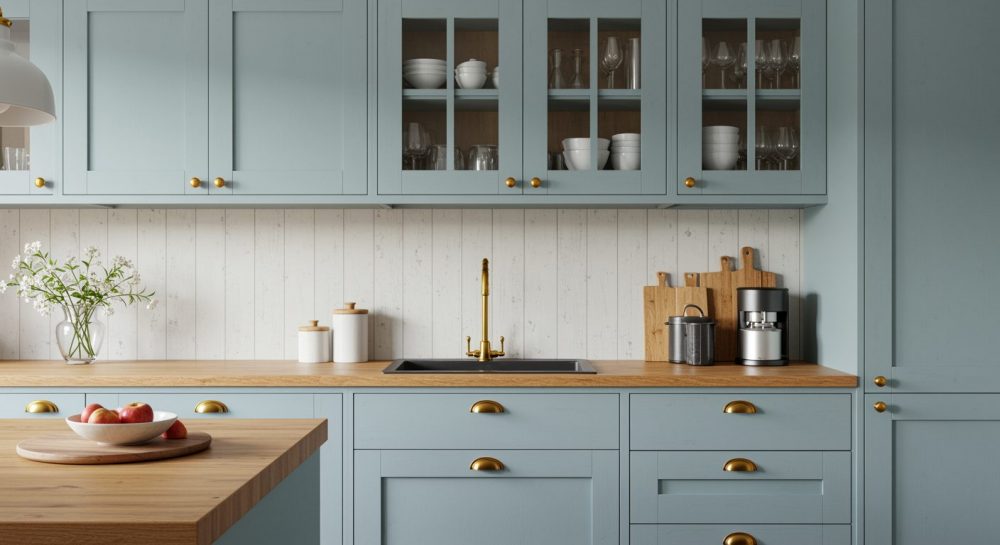 Among the most often ignored mistakes first-time homeowners make is over-cleaning their counters. Counterintuitively, too much scrubbing or cleaning agent will speed up damage, therefore deteriorating the look and lifespan of even the most powerful surfaces.
Countertops are made to endure daily use; repeated abrasive cleaning may strip protective coatings, damage finishes, and, in some cases, leave little scratches that slowly get to make surfaces seem older than they are. Early degradation of the sealants caused by excessive cleaning exposes the stone to stains and etching, particularly true for natural stones like marble and granite that depend on them to withstand moisture and stains.
@ampquartzcabinets Kalau boleh semua cabinet nak pasang LED Lightning ek 🤭 #AmpQuartz #LEDLight #cabinet #fyp
Furthermore chemical damage or colour change could result from overuse of strong cleaning products on laminate and quartz surfaces. Driven by a desire to keep a perfect appearance, sometimes the habit of wiping counters many times daily with powerful chemicals or coarse pads paradoxically hastens surface deterioration. Typically adequate for regular care is a balanced cleaning plan — gentle daily wiping with pH-neutral detergent or mild dish soap and a soft microfibre cloth.
The better way is to adhere to a regular schedule. Setting a regular or sporadic therapy using maker-suggested products will help to preserve the surface for greater thoroughness without resulting too much harm. By resisting the urge to over-clean, homeowners can preserve the appearance and usability of the countertop for decades without compromising the material’s integrity.
New Home New Rules 5: Reassess Improvised “DIY” Fixes
One of the most frequently ignored blunders first-time homeowners make is dependency on unexpected do-it-yourself methods to clean, repair, or preserve surfaces. Although it’s tempting to grab vinegar, lemon juice, baking soda, or other common household items to erase stains or shine surfaces, these remedies might in fact do more damage than good.
Too acidic or corrosive for delicate surfaces like marble, quartz, or some laminates, many of these substances could permanently etch, dull, or scratch. Good intentions using harsh chemicals like steel wool or scrubbing pads can cause little scratches that progressively build over time and therefore harm the surface, hence reducing its visual value.
Using over-the-counter items unsuitable for the countertop surface, homeowners may also attempt to seal or repair small damage, therefore producing uneven results or chemical interactions that quicken disintegration. One should follow the manufacturer’s care guidelines or seek assistance from professional installers who may provide counsel on secure, material-specific cleansers and maintenance schedules instead of winging it. By fighting the need to verify do-it-yourself miraculous treatments, homeowners preserve the visual and functional integrity of their countertops.
Underlining prevention above reactive maintenance also helps to advance a more deliberate approach to counter top maintenance. Going back and discarding spontaneous techniques is a simple but efficient strategy to ensure your new countertops remain ideal, practical, and long-lasting hence avoiding unwanted damage that is costly and difficult to fix.

