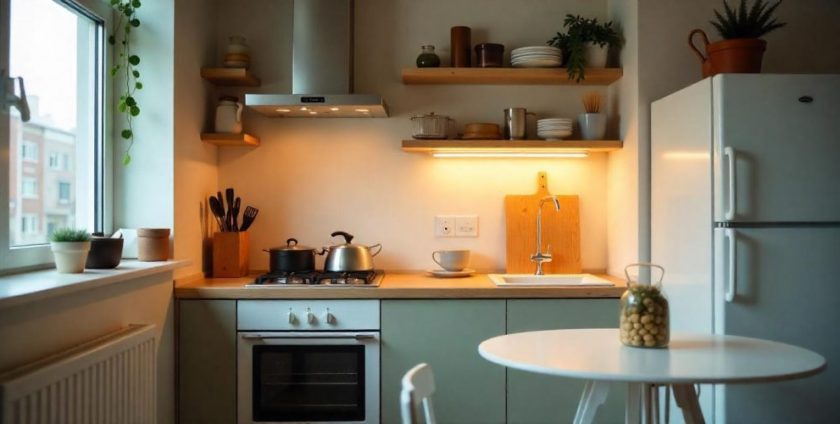
- By: Ryo
- Tags: Optimise Functionality, small kitchen, small kitchen design, small kitchen tips, tiny kitchen
- Category: Optimise Functionality
- 0 comment
Optimise functionality in your home kitchen to ensure that you have a well working kitchen space at home. There are many ways to help enhance kitchen functionality efficiently. Read more to find out.
Optimise Functionality 1: Maximise Vertical Storage
In small kitchens, every inch counts especially when floor space is limited. By increasing vertical storage, one of the most efficient means to improve function. Homeowners may maximise their wall height by adding extra storage solutions upward instead of depending only on base cabinets and counters.
Tall cabinets reaching the ceiling provide lots of room for rarely used goods, hence cutting down on countertop clutter and ensuring daily necessities are accessible. Open shelving is another clever vertical option that lets homeowners show elegant dish ware or often used spices and tools while still providing access.
Consider including hooks, pegboards, or hanging racks to walls for mugs, pots, or cooking utensils for more convenience, therefore clearing cabinet and drawer space. For tight gaps, vertical pull-out pantries are particularly effective since they allow tight areas that would otherwise be unused. Additional cupboards or shelves can be built over doors or refrigerators to hold cookbooks, baskets, or storage containers. By raising storage options, households not only remove mess but also establish a more aesthetically open and orderly kitchen design.
Vertical solutions enable smart, space-saving design to be highlighted instead of restricted square footage. Essentially, by maximising vertical storage, tiny kitchens may operate like larger ones: efficient, neat, and very functional therefore it is a vital plan for homeowners wanting to improve usefulness without increasing the footprint of their kitchens.
Optimise Functionality 2: Choose Multi-Functional Furniture
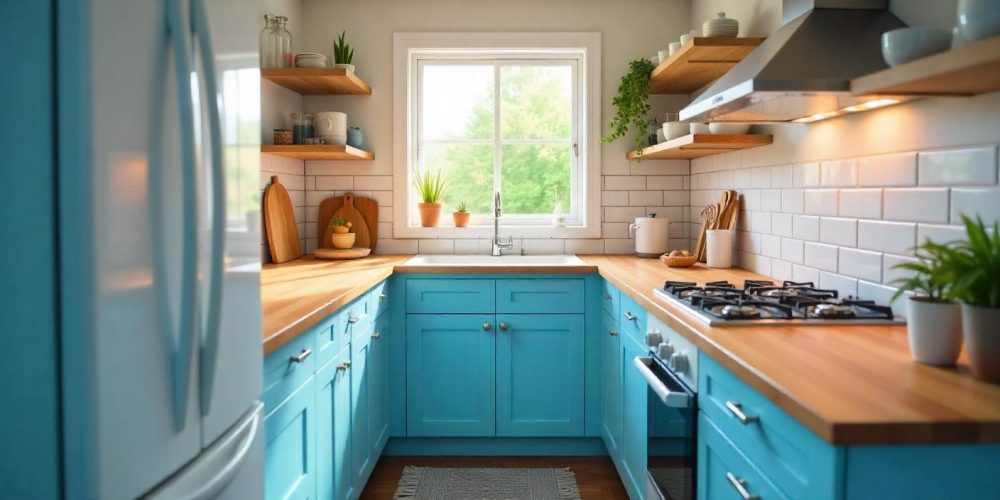
Choosing multi-purpose furniture is among the best methods to maximise small-sized kitchen function. Furniture that fulfils several uses can greatly improve both practicality and efficiency in tiny areas where every inch matters.
A prime example is a kitchen island with built-in storage, offering extra workspace while also housing cookware, utensils, or pantry items. Foldable or extendable dining tables are another smart option — they can be neatly tucked away when not in use, freeing up valuable floor space. Some homeowners choose bar counters with concealed cabinets or chairs with lift-up seats that serve as extra storage areas. Wall-mounted drop-leaf tables or pull-out cutting boards are also smart space-savers providing more workspace for food preparation without taking up permanent room.
@ampquartzcabinets Lurve tak kalau dapur luas macamni? 😍 #AmpQuartz #KitchenCabinet #JohorBahru #transition #beforeafter #fyp #fypage #fyppppppppppppppppppppppp
Multi-functional pieces not only help to tidy up the kitchen but also centralise activities, hence simplifying it. For open-plan houses or studio apartments where the kitchen is integrated with eating or living rooms, these answers are especially helpful. Choosing furniture with simple lines and a small footprint also helps the space seem less cluttered, therefore improving movement and a more open visual flow.
Multi-functional furniture enhances the design of kitchens with wise, seamless style in addition to being very practical when carefully chosen. Investing in flexible, beautifully designed furniture is a deliberate strategy for homeowners with small square footage that improves daily convenience as well as space efficiency.
Optimise Functionality 3: Stick to a Minimalist Layout
Adopting a minimalist design is among the most efficient methods to maximise functionality in little-sized kitchens. Efficiency’s worst foe, particularly in small areas where every inch matters, is clutter. Homeowners can generate a tidy, open environment that improves movement, lowers tension, and raises production by streamlining to the essentials.
Begin by figuring out what is really needed, then get rid of unneeded gadgets, surplus ornamentation that might overcrowd cupboards and counters. Choose practical over decoration first; for instance, pick sleek, handleless cupboards or streamlined shelves that provide storage without aesthetic weight. Maintaining clean surfaces not only raises hygiene but also increases available preparation area.
A minimalist design further promotes careful organisation by gathering comparable items together, utilising drawer dividers, and designating a specific location for everything to cut down on time searching for ingredients or cutlery. Choose integrated appliances and hidden storage also to preserve a smooth, uncluttered appearance.
Neutral tones and consistent materials can help to create order and visual quiet. In the end, a minimalist approach is about making conscious decisions that give ease, efficiency, and harmony in the kitchen front importance rather than giving up style or personality. For homeowners with limited square footage, following a minimalist plan is a practical and aesthetically pleasing way that increases both space and function.
Optimise Functionality 4: Smart Zoning
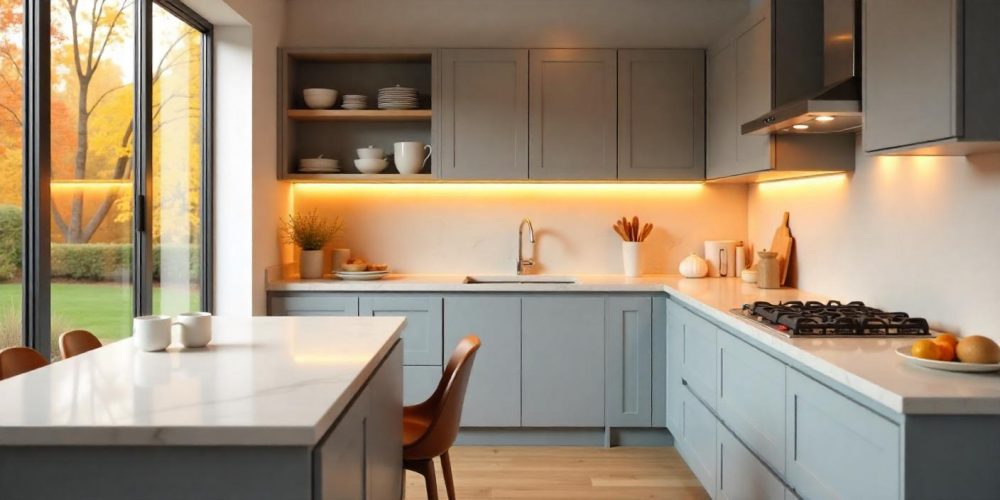
Among the most effective ways to maximise usefulness is intelligent zoning, or assigning distinct work areas in the small kitchen for cooking, cleaning, storage, and preparation. By dividing their kitchens into several zones, homeowners may simplify their chores and cut down on unnecessary movement, hence giving even the tiniest kitchens a neat and effective appearance.
For instance, locating the oven close to the sink facilitates simpler movements between cooking and cleaning; setting the refrigerator adjacent the prep area allows for quick component retrieval. Tiered storage is also advised: normally used items such spices and cutlery should be kept near the cooking area; dry goods and bulk goods should be stored in a specialised pantry.
@ampquartzcabinets Boleh dapat FREE je aksesori macamni. Cepat PM! 🥳 #AmpQuartz #KitchenCabinet #pio #spicerack #storage #fyp #fyppage #fyppppppppppppppppppppppp
Less confusion results from this deliberate design, which also makes use of every square inch of room and avoids traffic gridlock. Smart zone mixing in small kitchens, such as using one counter area for both preparation and serving, can improve utility without cluttering. Adding mobile components like moving islands or rolling carts can also provide flexible zoning, enabling consumers to change the plan as needed.
Good zoning helps to make the kitchen simple to operate rather than just decide where things go. The kitchen is simpler to navigate, more enjoyable to cook in, and visually clean when every object has a reasonable home determined by its frequency of use and purpose. For tiny kitchens where every choice counts, zoning may be the main distinction between a cramped arrangement and a truly functioning room.
Optimise Functionality 5: Under Cabinet Lighting
Often ignored, under-cabinet lighting is a great way to improve small-sized kitchens’ look and utility as well as appeal. Good lighting is absolutely vital in small areas where every inch counts to enhance user experience and give the impression of openness.
Installing LED strip lights or puck lights under upper cabinets enables homeowners to directly light counters, hence simplifying and safer cooking, preparation, and cleaning chores. By means of this aimed illumination, shadows created by overhead lights are eliminated, therefore guaranteeing a well-lit workstation even at nightfall. Under-cabinet lighting also helps to create a layered lighting plan, so defining several areas without filling the area with heavy objects.
Beyond usability, it gives the kitchen a touch of refinement and warmth that improves the entire atmosphere. LED lights are a great solution for house owners looking for energy-efficient alternatives since they have a low heat output and a lengthy life span. Many systems also include dimmable capabilities that let customers alter brightness according on the time of day or activity, therefore providing both comfort and freedom. Minimum disturbance allows under-cabinet illumination to be simply retrofitted into current kitchens, hence it is an affordable improvement for those with little budget or working space.
Supporting functionality, it adds to contemporary, spare design; it is a great match for smaller kitchens that give style first priority. Generally speaking, adding under-cabinet lights is a wise, space-saving approach that improves both form and function, hence simplifying daily kitchen chores and hence making the area look more spacious and appealing.

