- By: Ryo
- Tags: installing kitchen island, Kitchen island, small kitchen decor, small kitchen design, small kitchen island, Small Kitchen Makeover, small kitchen requirement
- Category: Small Kitchen Island
- 0 comment
Small kitchen island installations call for thorough preparation to guarantee functionality matches style. Before starting a design, homeowners should assess storage possibilities, traffic patterns, and space clearance. Selecting the appropriate materials, size, and layout will change even little kitchens into warm, productive gathering and cooking centres.
Small Kitchen Island 1: Measure Your Space Carefully
Starting with meticulous measurement of your area will help you to create a small kitchen island that fits elegantly and doesn’t obstruct the movement of the kitchen. Start by calculating the wall lengths, countertop runs, and existing appliances of your kitchen to get an estimate.
One common error homeowners make is underestimation of the required movement space; ideally, you should allow at least 36 to 42 inches across the sides of the island. This area guarantees that doors, cabinets, and appliances may open completely and that many people may move about the kitchen at once without obstruction. Consider the work triangle — the distance between your sink, stove, and refrigerator because putting an island too close could obstruct the natural cooking flow and so lower meal preparation efficiency.
Vertically as well, figure the ceiling height to guarantee enough headroom and avoid little space if you want to hang pendant lights above the island or hanging storage. Should your kitchen have high-traffic areas such hallways connecting other rooms or entry points, think these into your measurements to prevent the island becoming a bottlenecks. Portable islands require similar consideration; even though they may be moved, they yet need large space for mobility.
Choosing the appropriate form and size for your island whether it be a little square, a narrow rectangular form, or a multipurpose item with storage and seating—also calls for exact measurements during the design stage. Correct measurement basically lays the groundwork for a modest kitchen island that is both useful and complements your area.
Small Kitchen Island 2: Determine the Purpose
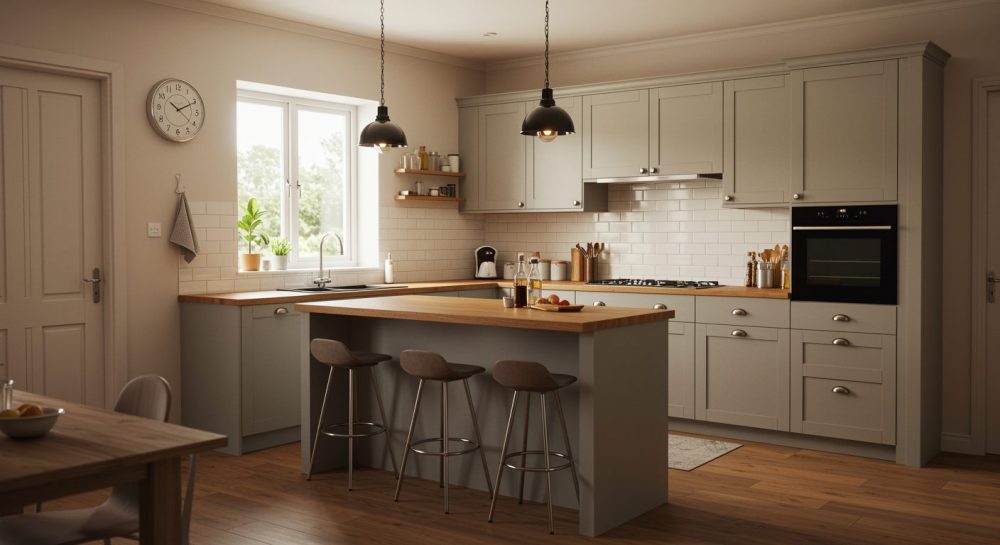 Determining its purpose is among the most crucial first steps before construction of a little kitchen island as this at once shapes its dimensions, shape, and features. First among homeowners is the intended daily use of the island.
For some, the primary application is as a prep station, providing more counter space for chopping, mixing, or making meals which is especially helpful in tiny kitchens with limited surface areas. Some could desire the kitchen to be a social hub with seating and an overhang for quick breakfasts, snacks, or guest amusement, hence converting the room into a relaxed dining space. Cabinets, drawers, or open shelving to hold goods for the pantry may be another typical aim; a well-designed island might help to declutter the other sections of the kitchen.
@ampquartzcabinets Save this video for your reference! 🥰 #AmpQuartz #KitchenCabinet #KitchenRenovation #dapuridaman #fyp
Some homeowners may even want to install appliances such a cooktop, oven, or sink; this calls, nevertheless, for close consideration on plumbing, electrical work, and ventilation; transforming the island into a functional work centre. Multifunctional islands combining prep area, storage, and seating are becoming quite well-known; but, to prevent kitchen clutter, it is essential to balance these elements with the available floor space.
By clearly defining the intended objective, homeowners may make informed decisions regarding materials, sizes, and layout; this assures that the island enhances the kitchen’s look as well as its usefulness. This clean layout at last enables effective kitchen flow, maximising efficiency, and provides an environment perfect for family life.
Small Kitchen Island 3: Choose the Right Size and Shape
Choosing the right form and size among the most important choices a homeowner can take when building a tiny kitchen island is crucial. Accurate measurements are absolutely critical as the island has to maximise the kitchen’s potential without overfilling the room.
Starting with an assessment of the available floor space and ensuring adequate clearance — 36 to 42 inches around all sides of the island guarantee mobility, appliance access, and a nice kitchen arrangement. Rectangular islands are sometimes perfect for little kitchens because they offer a clear path for traffic while maximising storage and work surface. Their shape should fit the room decor.
A square or round island can provide more prep room for smaller kitchens without blocking the flow of the room even if these forms need exact positioning to prevent bottle necking. Determine the shape and size considering the planned use of the island: if it will also be a casual restaurant, ensure at least 24 inches of knee space each person and let enough overhang for seating. Emphasise countertop surface area on prep-focused islands and the chance for pull-out shelves, cabinets, or drawers as well as other storage options.
Remember the equilibrium between scale and proportion: an island that is too great might make the kitchen appear small; one that is too small may not fulfil the intended function. Choosing the perfect shape and size really calls for balancing kitchen dimensions, desired use, and aesthetic equilibrium to produce an island both attractive and useful.
Small Kitchen Island 4: Safety Checks
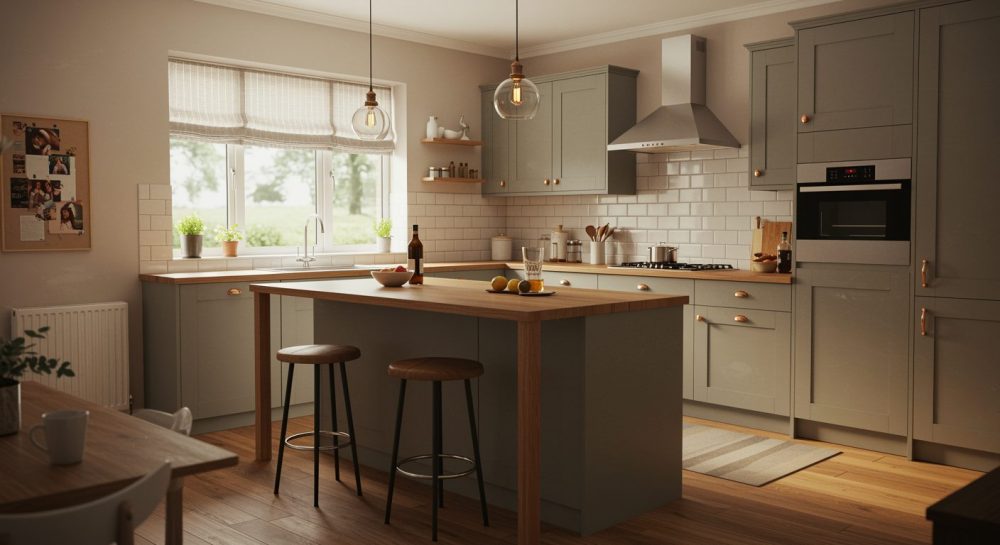 As a tiny area offers little chance for errors, safety should be at the top of every homeowner’s list when preparing a little kitchen island. To enable safe movement between the island, countertops, and heavy appliances, make sure first there is enough room surrounding it, usually 36 to 42 inches on all sides.
This is especially helpful in the prevention of collisions when many individuals are present in the kitchen at once. Rounded edges and corners reduce the probability of accidents causing damage especially in homes with seniors or children. Organise islands with chairs and stools so they are safe, provide enough knee room, and avoid way block.
@ampquartzcabinets WOWW, 11.11 BIG SALE?! 😱‼️ 📅 From 1 November – 11 November 2025 Jom datang ke AmpQuartz untuk nikmati : 📌 Cash Rebate RM1,000 📌 Exclusive Mysterious Gift 📌 11% Discount Off 📌 11 Free Gift (worth RM3,000+) Limited untuk 11 orang terawal sahaja 🥳🥳 #AmpQuartz #KitchenCabinet bigsale11.11 #NovemberPromo #fullhousepackage
If your island has a cooktop, oven, or sink, proper installation and compliance with electrical and plumbing safety standards are essential; experts should set these areas to prevent fire, electrical shorts, or water leaks. Moreover ensuring the island has a solid, continuous base will aid to prevent tipping, especially if kids could climb on it or it is a mobile island on casters. Near non-slip rugs or flooring also help to lower the likelihood of slips when working about the island.
For islands with storage, keep heavy items safely in bottom cupboards and avoid overload drawers so daily essentials are easily available and to reduce bending or lifting events. Addressing these safety concerns makes a little kitchen island both practical and safe, enabling householders to indulge in a fantastic dining and cooking space without harming their health.
Small Kitchen Island 5: Budget and Installation
Budget and installation are crucial factors to be considered when designing a little kitchen island since they could either make or break the project. First of all, along with the island itself, homeowners should establish a fair budget including all associated expenses.
This includes the base cabinets or frame, hardware such handles and hinges, and finishes like laminate or paint in addition to the countertop material — quartz, granite, marble, or butcher block. Islands with electricity sockets for appliances or plumbing for a sink must include the cost of professional installation of those systems. Depending on complexity, labor costs can range widely from simple freestanding units to constructed islands featuring drawers, pull-out shelving, or integrated appliances.
One should also anticipate potential hidden costs such cabinet reorganising, light shifting, or new flooring. Choosing between a fixed island or a freestanding one impacts the budget: freestanding islands are usually less expensive and simpler to install, but they could have less stability or storage; fixed islands are more permanent, provide more complex storage or equipment, and usually need expert installation.
Timing and simplicity should also be top priorities for homeowners; correct room measurements, delivery arrangement, and clearance inspection are crucial safeguards against costly errors. Ultimately, a well-planned budget together with a complete installation plan ensures that the little kitchen island runs smoothly, simplifies workflow, increases storage capacity, and visually fits while yet staying inside financial boundaries.

