- By: Ryo
- Tags: kitchen errors, small kitchen errors, small kitchen issues, small kitchen mistakes, small kitchen problems
- Category: Small Kitchen Mistakes
- 0 comment
Small kitchen mistakes come from bad habits including overlooking storage options or overcrowding countertops. These mistakes not only make cooking appear more demanding than it should be but also restrict usefulness and add clutter. Identifying and fixing these behaviours will let you maximise efficiency and turn even the tiniest kitchen into a more functional, inviting area.
Small Kitchen Mistakes 1: Overcrowding Countertops
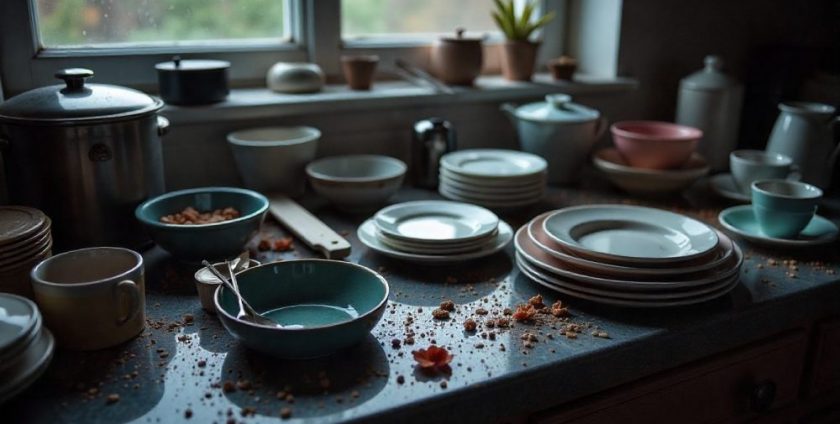
Most often without even realising it, homeowners’ most often committed small kitchen blunder is overflowing their countertops. In a tiny space, every inch of counter real estate counts; many people, nevertheless, utilise countertops as a general catch-all for appliances, cutlery, mail, or even design with no practical value in daily living.
While maintaining the toaster, blender, and coffee machine all within arm’s reach may seem simple, the result is a chaotic, untidy surface. that limits your ability to effectively cook and prepare food in the area. Apart from giving your kitchen a smaller look, a dirty countertop can increase stress levels and irritate even the most simple tasks.
Small kitchens grow on less is more philosophy instead. For daily use items, like a coffee machine if you drink coffee often or a knife block if you cook often, reserve your counters. Everything else can be kept conveniently accessible but out of view in cabinets, drawers, or even a dedicated appliance garage. Additionally preserving precious counter space and making essentials within reach, investing in vertical storage options like wall-mounted shelves or racks can help.
By reducing your surfaces and resisting the urge to use them as storage spaces, you quickly make your kitchen seem more airy, tidy, and effective. Basically, a tidy counter elevates the usability of your kitchen by turning a tiny room into a comfortable and welcome area in addition to enhancing its appearance.
Small Kitchen Mistakes 2: Oversized Furniture or Appliances
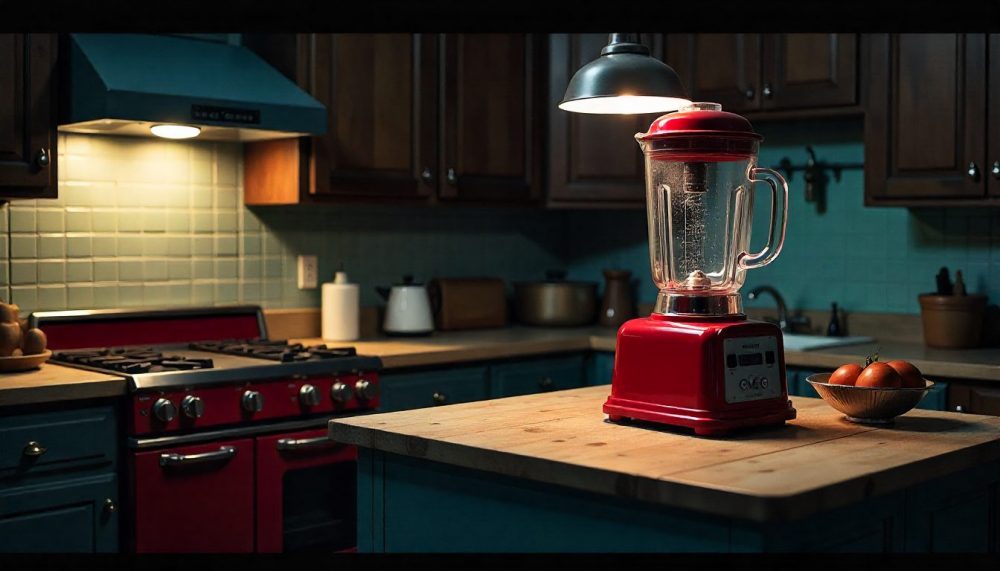 One of the most frequent mistakes that may rapidly lower the usefulness of a little kitchen is introducing huge furniture or appliances. For their aesthetic or storage benefits, it might be tempting to choose a statement island, a big dining table, or double-door refrigerator.
These in a little room, big objects may occasionally cause more damage than advantage. A small kitchen depends on flow and efficiency; big objects obstruct meal preparation, restrict movement, and create visual mess when they define the room. For example, a large refrigerator might obstruct cabinet doors; a large dining set might limit chair pulling or other access to the room.
@ampquartzcabinets Our Aluminium Signature Series 🥳 DM kami sekarang untuk dapatkan Promo Merdeka! 🤩🎉 #AmpQuartz #KitchrnCabinet #Aluminium7G #storagecabinet #fyp
The result is a tiny, overpowering, bothersome space fit for use. Homeowners should instead pick little, all-purpose objects to draw attention to proportion and scale. A lean breakfast bar, a fold-down dining table, or a counter-depth refrigerator can provide the same function without hogging up important room. Choosing furniture with clean lines and brighter finishes may also help the room appear bigger.
Finding middle ground between fashion and utility is the key; every item in a small kitchen should serve a purpose without compromising comfort and convenience. Motion. Resist the urge to go large and you will create a welcoming, airy, and genuinely effective kitchen even in a small space.
Small Kitchen Mistakes 3: Lack of Clear Zones
Among the most overlooked mistakes in tiny kitchens is the absence of well demarcated areas as this quietly influences both convenience and efficiency. Normally, bigger kitchens have a clear dividing of cooking, preparing, and storage areas; in smaller houses, though, these boundaries tend to merge.
Counter ingredients are spread out, and utensils are kept far from where you really use them; tasks that should be easy begin to annoy. Without zones, every meal preparation turns into a juggling act, therefore consuming priceless time and chaos in the kitchen. The answer is smart arrangement.
Designated areas help even the smallest kitchen: a prep area with rapid access to slicing boards, mixing bowls, and knives; a cooking zone keeps pans, pans, oils, and spices accessible; and a cleaning station near the sink with towels, dishes soap, and containers close by. Keeping counters available and clean therefore is also crucial for storage areas by keeping rarely used equipment, snacks, and dry goods out of the main work flow. Assures that the surfaces are usable.
Setting these hidden limits will enable you to develop a more natural flow that will let you work more intuitively in your kitchen. This not only helps to eliminate clutter and worry but also makes use of every inch of accessible area, therefore particularly significant in a more small design. Imagine zoning giving your kitchen a natural cadence; even the tiniest kitchen can seem vast and practical when everything has a place and function.
Small Kitchen Mistakes 4: Cluttered Cabinets and Drawers
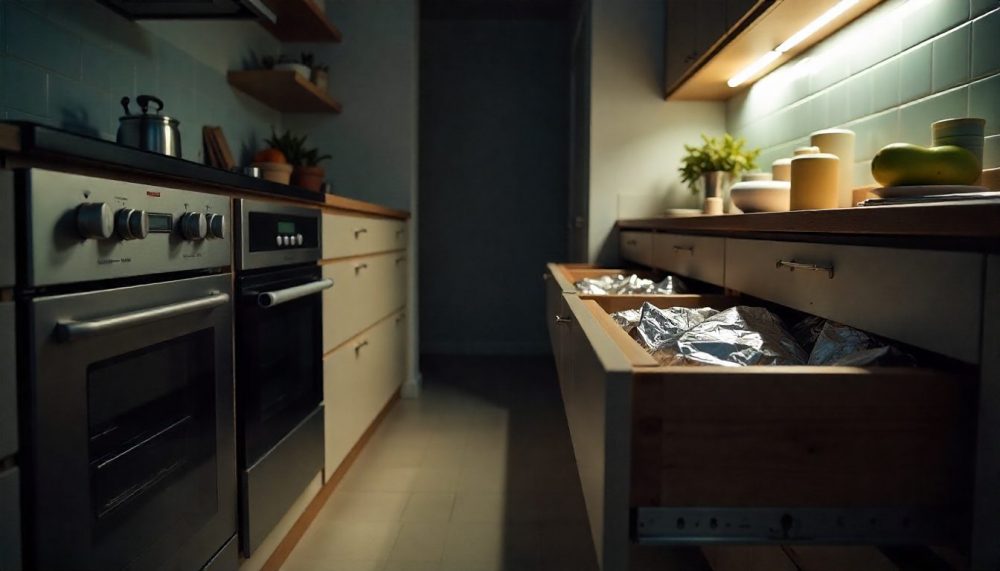 One of the worst mistakes one can silently damage the value of a small kitchen is allowing cabinets and drawers to become disordered. You can effortlessly conceal half-used jars, devices, or different storage containers and ignore them until the day you can’t find what you need.
In a small kitchen, every inch of storage counts; overflowing cabinets not only waste valuable space but also transform normal cooking into a difficult affair. Stacks of unused pans, tool copies, or expired spices will soon crowd little area for fundamentals. When cabinets and drawers are overflowing, you are more likely to leave items out on the counter, hence increasing your overall feeling of disorder and lowering your useful space.
@ampquartzcabinets PM kami untuk dapatkan harga kabinet macamni or else korang nak custom kabinet sendiri pun boleh! 🤩 #AmpQuartz #KitchenCabinet #customcabinet #dapurcantik #cabinetmaker #johorbahru #pakejmurah #promopakejkabinet #fyp #fyppppppppppppppppppppppp #fyppage
Searching through clutter also slows you down since it interferes with your cooking as one object is discovered. Treat your storage spaces as premium real estate, only retaining what you actually use and organising it in a manner that makes sense. Using drawer dividers, pull-out racks, or clear containers helps to maximise visibility and accessibility; frequent decluttering sessions manage buildup.
For a small kitchen, efficiency is essential; thus, a well-planned storage system guarantees that everything is in its rightful location without cramping your style. By breaking the pattern of letting, you will simplify your daily life, free up space, and make even the smallest kitchen look open and manageable. Cabinets and drawers become black holes.
Small Kitchen Mistakes 5: Neglecting Open Space
One of the most frequently committed mistakes homeowners make in a tiny kitchen is ignoring open space. One could suppose that maximising storage entails packing every corner with additional cupboards, shelving, or giant furniture; however, in actuality this habit generally backfires.
A modest kitchen needs equilibrium: while storage is vital, so is the ability to move readily and let the space breathe. When everything is packed with items, the kitchen seems tiny, visually heavy, and much less practical. Open space is essential; it could be a neat stretch of wall, a clutter-free counter, or a room to roam without stumbling on machinery. contribution in designing the kitchen seems larger and more welcoming.
Rather than giving up all storage, this calls for thoughtful action. When not in use, foldable or slimline furniture pieces can save room; floating shelves or wall-mounted racks, for example, offer storage without enclosing in the area. Choosing more reflective surfaces and lighter hues helps to create an impression of openness. You purposely leave some regions blank to create negative space balancing the more active parts of the kitchen.
In addition to improving its utility and flow, this converts the area into one you would really want to spend time in. Small kitchens benefit from the embracing open space transforms a small corner into a sophisticated, stylish, and effective cooking area, therefore a mantra should be “less is more.”

