- By: Ryo
- Tags: countertop planning, countertops in kitchens, home countertop decisions, home countertops options, home kitchen, home kitchen countertop, kitchen countertops, The Countertop Casualty
- Category: The Countertop Casualty
- 0 comment
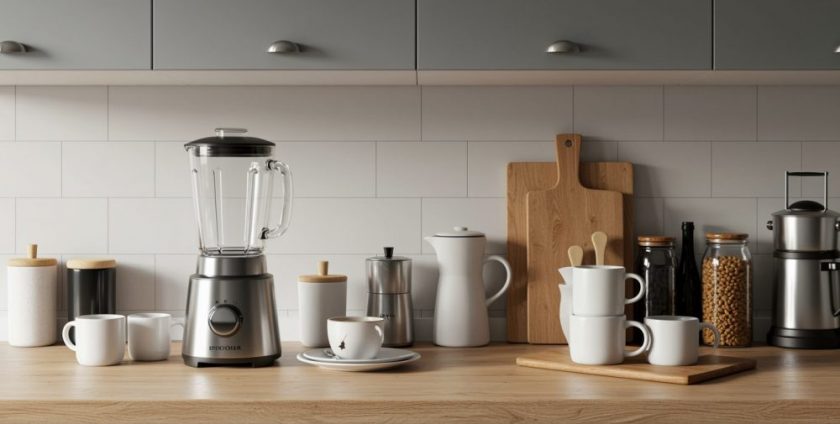
The countertop casualty occurs when little devices start dominating your surfaces, swiftly clogging what should be open and airy. Too many devices outside interfere with visual movement and give even a vast kitchen cramped and caged in feeling. Storing things thoughtfully helps you to recover clean lines, increase perceived space, and restore the peaceful, deliberate design your kitchen merits.
The Countertop Casualty 1: Visual Clutter Reduces Perceived Space
One of the most under appreciated elements that can quickly make a kitchen appear smaller than it really is is visual clutter. Leaving counter tops with small appliances, tools, or other stuff bombs the eye with several focal points, therefore causing pandemonium.
Cluttered surfaces deceive the brain into viewing a kitchen with plenty of square feet as small and messy. Simplicity and clean lines greatly shape our sense of size; when scattered items disrupt these, the openness of the kitchen is aesthetically diminished. When surfaces are crowded with gadgets only sometimes used, such blenders, toasters, or coffee makers, this impact is intensified. Though practical, keeping them visible constantly divides the workplace and reduces the perception of space.
The issue goes beyond appearance; it affects effectiveness as well. Cluttered surfaces restrict the cooking areas that are available, therefore making the chores appear more restricted and slowing the flow of work. On the other hand, a simple and well-arranged countertop lets light to reflect freely and surfaces seem more vast by highlighting the real size of the kitchen. Even small design decisions like keeping devices stowed in cupboards or specially designated niches can greatly improve the appearance of a room.
Homeowners may create a feeling of order and quiet by minimising visual clutter, therefore transforming the kitchen into a room that feels bigger, more welcoming, and more practical. In the end, how a kitchen is presented — free from unneeded distractions has a major impact on its physical and psychological spaciousness.
The Countertop Casualty 2: Interrupts the Flow of the Workspace
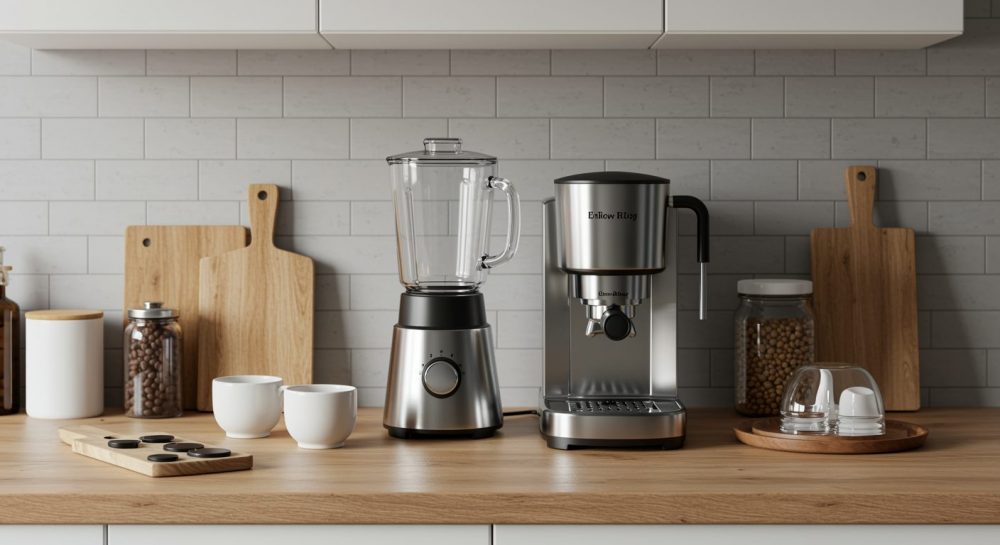 By upsetting the natural flow of the work area, which then exaggerates the impression of clutter, one of the most disregarded means small appliances can reduce a kitchen is. The centre of every kitchen, countertops are also the main area for meal preparation, plating, and even casual get-togethers.
Leaving out devices like toasters, mixers, and coffee makers destroys this core area and calls for chefs to negotiate around them rather than transition naturally from cutting to cooking to plating. Regardless of its real size, this broken-up work flow not only delays dinner preparation but also makes the kitchen feel less useful and tighter. At the same time, the continual visual presence of many devices creates mental clutter.
@ampquartzcabinets 5 jenis aksesori yang perlu pasang di dapaur! Korang rasa sebab apa? Semuanya ada dalam video ni! 😍😆 #AmpQuartz #KitchenCabinet #aksesoridapur #fyp
A cluttered counter catches the eye in many directions even in kitchens with lots of square footage, giving a feeling of anarchy and lowering the view of openness. Our minds are set up to see orderly, continuous surfaces as bigger and more welcoming; cluttered rooms are instinctively perceived as small. Combining physical barrier with visual distraction can make even a large kitchen appear restricted, so reducing the practical usefulness of the space and its aesthetic appeal.
By keeping tiny appliances neatly kept or tucked away when not in use, homeowners may restore both the flow of the kitchen and its sense of spaciousness, therefore transforming the room into an open, efficient, and visually peaceful environment that inspires creativity instead of aggravation.
The Countertop Casualty 3: Limits Flexibility for Cooking and Entertaining
By restricting flexibility and generating visual clutter, little devices help to reduce the size of a kitchen most under appreciated. Though they might seem practical, leaving toasters, blenders, coffee makers, and other typical appliances out on countertops uses up priceless space that may otherwise be put to a number of uses.
Cooking loses efficiency as the limited preparation space is always interrupted, therefore you must negotiate barriers rather than smoothly going from cutting to blending to plating. The lack of clean surfaces affects social dynamics as well: the kitchen is no longer a welcoming area for visitors to congregate or for several cooks to work together when hosting.
Even in bigger kitchens, this creates a sense of constraint. Visual clutter drastically lowers felt space beyond natural restrictions. Because our brains naturally associate congested surfaces with tiny rooms, a counter full of gadgets quickly gives the kitchen a smaller and more chaotic appearance than it really is. The fragmentation of functional areas aggravates this psychological shrinkage, transforming what should be a well planned, liquid workstation into a patchwork of interruptions.
The kitchen gets both physical and visual transparency by keeping counters free and hiding little appliances out of view. A minimalist approach improves the feeling of freedom and flow as well as maximises available preparation area, thereby transforming the kitchen into a flexible, useful centre supporting cooking, entertainment, and social interaction, all the while looking more open and welcoming.
The Countertop Casualty 4: Draws Attention Away from Design and Aesthetics
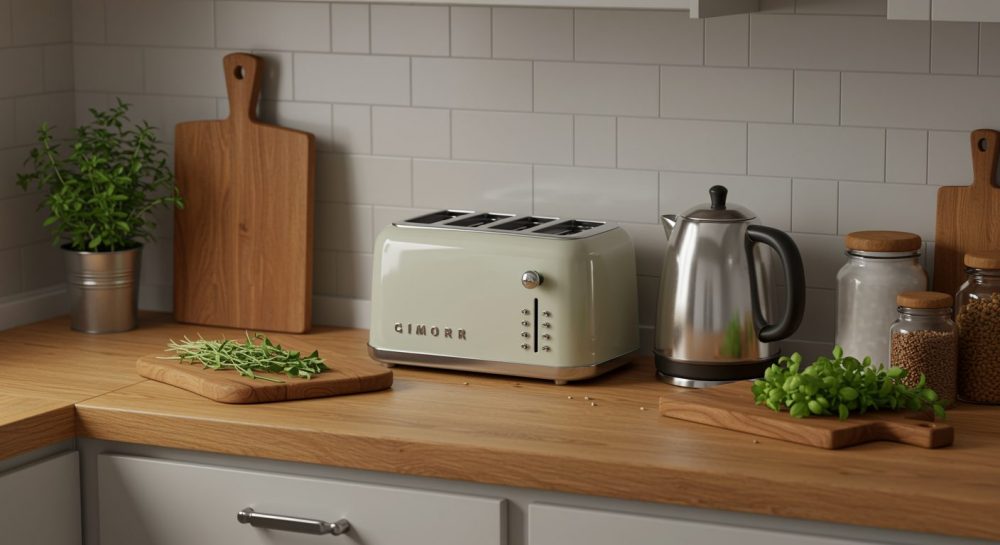 Among many other techniques, little devices most unobtrusively alter a kitchen by diverting attention away from its design and lowering the observed area. Intended to be environments where finely crafted counters, sleek cabinets, and deliberately chosen backsplashes converge to produce a uniform visual experience, modern kitchens are purposely designed.
Abandoning counter-top appliances such toasters, coffee makers, or blenders upsets this balance and draws focus away from the intended kitchen design to a mess of items. When visual clutter reigns over the eye line, even a large kitchen appears smaller than it actually is. Because our minds see chaotic strewn environments, our viewpoint of the scene becomes limited.
@ampquartzcabinets Ade tak geng yang suka buat kabinet dapur banyak storage macamni? Kalau ade cuba komen 🤩 #AmpQuartz #KitchenCabinet #6GAluminium #Storage #fyp
Clean, open counters, on the other hand, accentuate the design lines and material selections of the kitchen, hence creating a more welcoming, bigger area. Beyond outward looks, unkempt surfaces impede the kitchen’s activity, therefore restricting cooking and planning and less pleasurable.
A minimalistic countertop highlights textures, increases illumination, and lets every design aspect breathe, even if a surface covered in appliances drowns the senses and diminishes the visual impact of the kitchen. Keeping tiny appliances tucked away helps to improve the general impression of openness and opens up kitchen space, so guaranteeing that the beauty of the room not its contents stays the centre.
The Countertop Casualty 5: Creates an Unfinished Look
One of the most under appreciated influences on a kitchen little devices is that they produce an unfinished look that also lowers the seen area. counters immediately degrade the crisp lines and visual equilibrium defining a well-designed kitchen when they are filled with toasters, blenders, coffee makers, and other devices.
Having several appliances strewn across the countertops might make even large kitchens with lots of room look chaotic and sloppy. Our senses are very sensitive to visual complexity; packed surfaces are seen by our minds as smaller, more limited spaces. This implies that a physically large kitchen might appear crowded only because items obstructing the circulation cover its surfaces.
Moreover, leaving instruments outdoors diminishes the design features that make a kitchen aesthetically interesting: elegant backsplashes, sleek counters, and deliberate cabinets all lose their appeal covered by typical equipment. A busy counter shows under prepared areas, as if the kitchen has yet to be ordered or completed, hence lowering the overall look and causing even modern or expensive designs to appear disordered.
Beyond aesthetics, the mess limits actual workspace, hence restricting preparation areas and disrupting workflow, therefore highlighting the feeling of restriction even more. By purposefully concealing tiny appliances, homeowners may quickly create a more polished, cleaner look hence enhancing the impression of openness and proving that the lack of clutter may be as powerful as the presence of decor.

