- By: Ryo
- Tags: kitchen decor, kitchen design, Kitchen Tips, simple kitchen, The Minimalist Small Kitchen
- Category: Minimalist Small Kitchen
- 0 comment
The minimalist small kitchen allows for home owners to be in control of the space within their home. There are many ways to maintain a minimalist small kitchen. Listed below are some ways to do so.
The Minimalist Small Kitchen 1: Prioritise Function Over Form
For a minimalist little kitchen, the saying “prioritise function over form” is absolutely vital in designing a room that seems deliberate, clean, and efficient. Instead of stocking your kitchen with fashionable decor or seldom used equipment, concentrate on what you really need to cook and live in comfort.
Beginning with an evaluation of your everyday kitchen habits, choose equipment and tools that provide several uses, like a combination microwave oven or a small induction cooktop with built-in ventilation. Keep only the utensils you frequently use and store them in arranged drawers instead of counter cluttering. Every object should justify itself when storage is tight.
Choose modular cabinets or pullout pantry systems to make use of secret space while keeping necessities close at hand. Consider the work triangle among the sink, cooker, and refrigerator to guarantee a fluid movement during cooking; even the arrangement should first satisfy functionality. Moreover, lighting serves a useful purpose; to increase vision, install task lighting underneath cabinets or above workspaces. Although a minimalist kitchen usually seems modern and elegant, the design comes from planned choices guided by use.
Every decision on a design — from the placement of a dish rack to the selection of a faucet should help to create a better cooking and cleaning experience. Form over function transforms a small kitchen into a well-oiled area that frees daily life from the burden of overplus workable, therefore let you concentrate on what truly matters: simplicity, convenience, and mindful living.
The Minimalist Small Kitchen 2: Maximise Vertical Storage
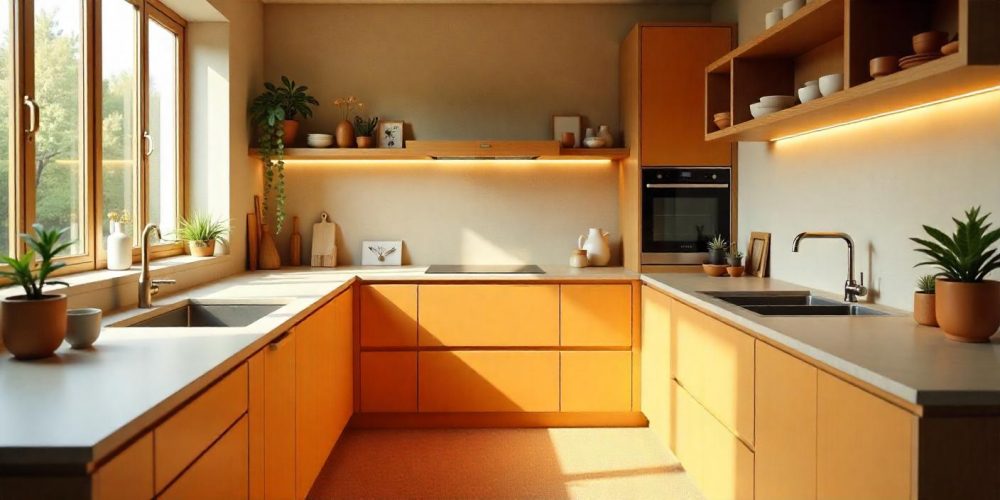
One basic approach in designing a modern small kitchen both stylish and practical is maximising vertical storage. Looking upward provides a plethora of storage options without sacrificing the simple lines that define minimalist design when floor space is limited.
Full height cabinets, for instance, employs the whole wall to offer lots of room to keep less often used items at the top inside easy reach of daily essentials. Open shelving is another good solution since it preserves an airy appearance and gives rapid access to products like mugs, spices, or cooking oils, all the time adding visual interest when kept neatly arranged. Tall pantry pullouts and vertical drawer dividers can further improve efficiency by keeping dry goods and kitchen gadgets organised without adding bulk.
@ampquartzcabinets Bawah sinki kosong? Buat U-Drawer macamni dengan kami 🤩 #AmpQuartz #JohorBahru #drawer #storage #sink #fyp #fyppagee
Custom shelving or enclosed cabinets can be added even in the space above the refrigerator or between wall cabinets to conceal seasonal cooking or small appliances. Choose cabinets and shelving in the same hue and material as the walls for a genuinely unified appearance to make for a smooth transition that visually opens the space.
Adding a contemporary, stylish touch, integrated lighting under upper cupboards or shelves can also help to brighten work spaces. Embracing vertical storage options helps minimalist kitchens get useful features and keep the clean, modern appearance that makes tiny areas appear open and stylish. It’s a clever, space-efficient solution that turns every vertical inch into sophisticated, useful function.
The Minimalist Small Kitchen 3: Keep Countertops Clear
Keeping countertops clear is among the most efficient techniques to design a contemporary, functional kitchen in a minimalistic little one. Apart from making the kitchen seem small, cluttered surfaces interfere with the clean, straightforward appearance that characterises minimalist design.
Begin by getting rid of needless objects including redundant appliances, decorations, and unused cutlery. Store them in cabinets or drawers with assigned organisers such that they may be quickly accessed when needed instead. Choose multipurpose tools and equipment that lessen the need for several devices, hence clearing up space.
A neat countertop improves visual openness and increases daily activities like cooking in efficiency. It also streamlines cleaning, which is critical in a tiny kitchen where every surface counts. For usually used goods such knives or spices, think about wall mounted holders, magnetic strips, or under cabinet hooks so that they are easily available but not on the counter. If you like decorating, limit yourself to one or two simple goods such as a little planted plant or a classy fruit bowl to keep some character without dominating the space. The minimalist style is about intentional design rather than cold blankness.
Keeping counters clear helps the materials and finishes such as matte cabinets, polished stone, or natural wood stand out, hence producing a calm and harmonic surroundings. Straightening and cleaning surfaces is one easy activity that may drastically change the design appeal and utility of a small kitchen by creating a more open, contemporary, and purposefully constructed appearance.
The Minimalist Small Kitchen 4: Stick to One Focal Point
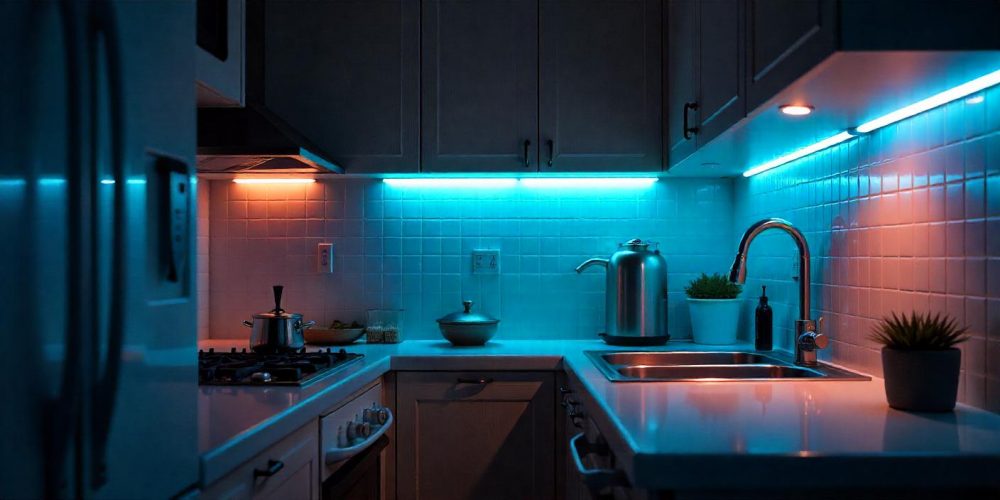
Sticking to one focal point in a minimalist small kitchen is a great way to add character without overpowering the room. Selecting a single element to draw attention such a vivid backsplash, a statement lighting fixture, or an unusual textured countertop, you generate visual appeal while keeping a neat and uncluttered aesthetic.
Using colour, texture, or design contrast, this focal component should stand out gently while the rest of the kitchen stays muted with neutral tones and minimalist finishes. A matte black pendant light over a small island, for instance, can become a contemporary focal point, so letting cabinetry and appliances fade back.
@ampquartzcabinets Perempuan memang macamni kan kalau beria? 😂 #AmpQuartz #midyearsale #julypromo #footmassager #chairmassager #kitchencabinet #housecabinet #johorbahru
Alternatively, a patterned tile backsplash behind the stove can give warmth and character without need of more ornamentation. Restraint is the key; allow that one element to sparkle by maintaining everything else simple and consistent. This approach not only improves the general appearance but also avoids visual clutter in a confined design where too many opposing parts can make the area feel cramped.
A single focal point also speaks of intentionality, so supporting the minimalist idea of planned design. Defining one prominent component helps you to clarify the design process whether you are renovating or beginning from scratch and improves the kitchen’s use and appearance. Less truly is more in small modern kitchens; one well-selected focal point can resonate far above a host of ornamental elements.
The Minimalist Small Kitchen 5: Use Reflective Surfaces
Adding reflective surfaces is one of the most efficient methods to improve a minimalist tiny kitchen since they are very important in maximising light and giving the impression of extra room. Every design decision must work double duty in small kitchens; reflective finishes not only help to create a sleek, contemporary look but also visually enlarge the space.
Glossy cabinet fronts, mirrored backsplashes, and stainless steel equipment can catch and reflect artificial as well as natural light, therefore illuminating areas that would otherwise feel cramped or gloomy. For instance, a high gloss countertop or glass panel cabinet door provides depth and dimension devoid of visual disturbance. These surfaces are also simple to clean; therefore, they complement the minimalist motto of low-maintenance simplicity.
Reflective components help to keep the airy, uncluttered look so vital to contemporary minimalist design when matched with a neutral colour scheme. Even modest details like chrome fixtures, gleaming handles, or a streamlined induction cooktop can help to produce this impression. Reflective surfaces also assist the kitchen to merge smoothly with nearby living spaces in open-plan designs, hence fostering a unified and clean visual flow.
The secret is equilibrium; stay away from overusing mirrored finishes, which might make the room look too hectic or clinical. Rather, arrange reflective features to maximise light spread while keeping a clean, contemporary appearance. Reflective surfaces in a small modern kitchen are wise, space-enhancing instruments that make modern life both beautiful and practical, not only aesthetic choices.

