- By: Ryo
- Tags: kitchen aesthetics, kitchen decor, kitchen design, kitchen design tips, planning kitchen design, The Silent Kitchen
- Category: The Silent Kitchen
- 0 comment
The silent kitchen aims at developing a setting that calms the senses. Elegant designs, subdued colour schemes, and clean surfaces inspire visual peace, therefore transforming the kitchen into a peaceful haven. Ergonomic designs and smooth processes guarantee physical comfort, thereby transforming cooking and cleaning into easy, stress-free events.
The Silent Kitchen 1: Minimalist Aesthetic with Warmth
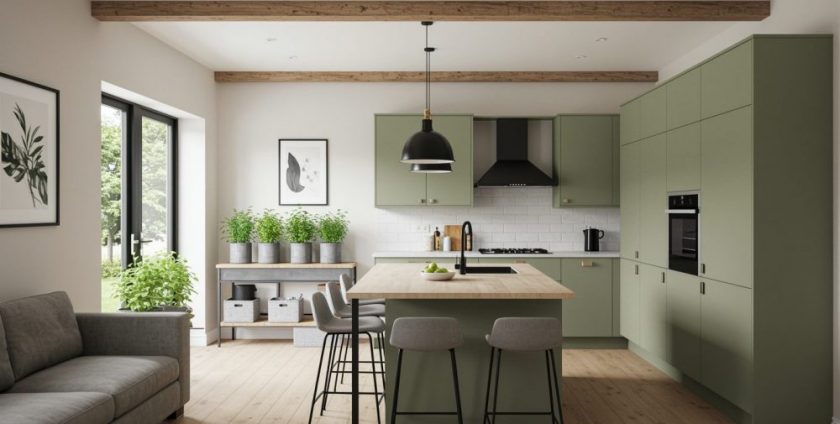
The concept of a silent kitchen centres on a minimalist aesthetic with warmth; the goal is to produce an environment that soothes the senses yet remains very practical. Achieving this equilibrium starts with faultless, basic lines and clean surfaces projecting order and peace all at once.
Unlike severe minimalism, which might come out cold or impersonal, the Silent Kitchen uses warm, gentle, neutral colour schemes and careful material choices. Natural, inviting atmosphere suitable for the calm, methodical vibe of the kitchen comes from lightwoods, muted creams or beiges, and toned stone. Equally important is the strategic use of texture; matte finishes, mild wood grains, and tiered textiles like linen or cotton can add depth and visual appeal without producing sensory overload.
From a carefully chosen chopping board to a sleek utensil holder, every object fulfils a function and therefore reduces unneeded aesthetic clutter; minimalism in this sense also applies to accessories and ornamentation. Warm, scattered light highlights the tactile properties of materials, hence fostering a serene, happy environment. Hardware and cabinet design also help to lean toward integrated handles and soft-close systems that keep lines simple and minimise noise.
In essence, a minimalist aesthetic with Warmth transforms the kitchen into a room where seeing, touch, and motion collaborate to create a natural and renewing cooking and gathering. Giving tactile comfort top priority and then visual stillness then changing daily rituals via deliberate, silent design best encapsulate the main idea of the silent kitchen: simplicity with soul.
The Silent Kitchen 2: Harmonised Materials & Textures
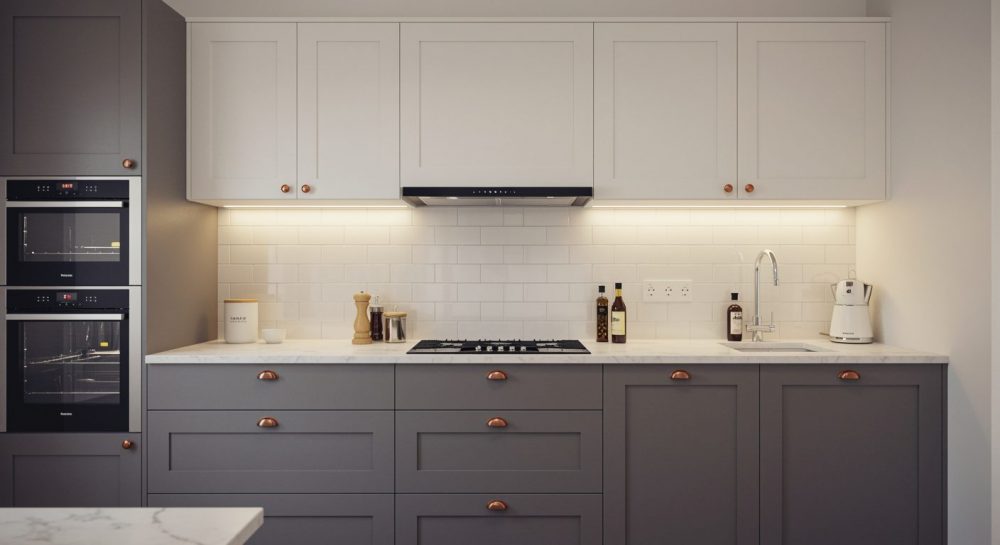 Building a calm kitchen that supports both physical comfort and visual calm demands great care in the choice and integration of textures and materials. Harmonised elements produce a calm, united setting wherein every surface, finish, and component improves harmony and order.
Actually, this usually starts with organic materials like matt stone, quartz counters, or soft wood veneers that offer warmth and tactile pleasure without bombarding the senses. Material’s tactile character is equally crucial to its visual appeal; smooth matte finishes, mildly textured cabinet fronts, and softly grained wooden surfaces allure to touch and reduce reflections or discernible noise that would break silence.
@ampquartzcabinets Ade tak geng yang suka buat kabinet dapur banyak storage macamni? Kalau ade cuba komen 🤩 #AmpQuartz #KitchenCabinet #6GAluminium #Storage #fyp
Achieving harmony also depends on colour and tone; designers sometimes pick a neutral, subtle palette layers of beige, cream, light grey, or earthy browns to give discreet depth without producing striking contrasts. Small texture or pattern changes such a light wood grain against a soft matte counter can add aesthetic appeal while still keeping tranquility. Correct material integration guarantees the eye passes naturally throughout the room without sudden shocks; pairing cabinet finishes with flooring tones or matching countertop edges with backsplash surfaces helps to achieve this.
Additionally, strong, easy-to-clean materials reduce both physical and mental stress from maintenance while encouraging physical comfort. Harmonised textures and materials finally become effective sensory, and psychological instruments in a peaceful kitchen to assist to build a warm, clean, and minimalist lifestyle instead than just aesthetic choices.
The Silent Kitchen 3: Clutter‑Free Surfaces & Strategic Storage
In the philosophy of the silent kitchen, maintaining clean surfaces and utilising smart storage solutions helps one to achieve physical comfort and visual peace. Clean countertops begin a tranquil kitchen as every object left out contributes to visual noise and a sense of chaos.
One may accomplish this using concealed storage that of full-height cupboards, hidden drawers, toe-kick compartments allowing ordinary items to be stored without sacrificing access. Appliance garages which provide discreet storage for items like toasters, blenders, or coffee machines, keeping them nearby but hidden when not in use are another very important feature.
Drawer organisers and segmented storage choices guarantee that every utensil, silverware, and cookware has its own place, therefore reducing the mental strain of searching for items, hence increasing this impact even more. Intentional layout design, which keeps often used tools in easy reach, helps a natural workflow by so preventing pointless movement and pile formation. Minimalist shelving and sealed cabinets also maintain neat sight lines, hence giving the area a sensation of openness and calm.
Besides their minimalist appearance, empty surfaces encourage planned cooking and interaction with the surroundings. Basically, spotless surfaces paired with intelligent, natural storage convert the kitchen into a sanctuary where everything has a purpose and the cooking process becomes both physically straightforward and spiritually restorative, hence embracing the silent kitchen idea in kind and function.
The Silent Kitchen 4: Intentional Minimal Decor
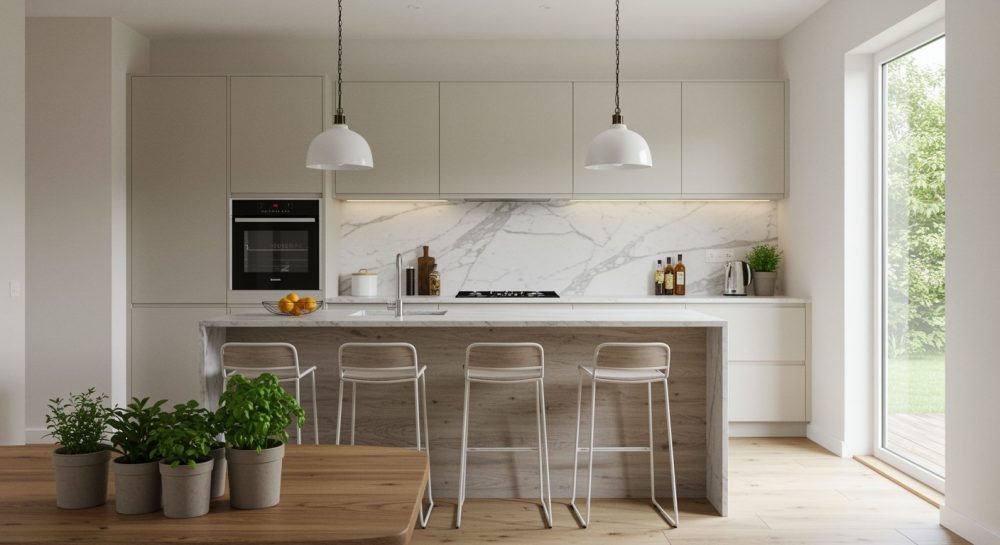 Deliberate minimal design draws upon the silent kitchen hypothesis, which directly promotes visual peace and physical comfort. Unlike kitchens overflowing with curiosities, over decorations, or ornamental chaos, intentional minimalism emphasises including just items that meet a need, are aesthetically beautiful, or elevate the cooking experience.
Every item in the kitchen is carefully chosen to serve either sensory, aesthetically, or pragmatically need. Visual and practical appeal come from, for example, wooden cutting boards, ceramic tool holders, or exactly positioned glass containers. Clear surfaces let for clean sight lines, therefore lowering mental stress and creating a sense of room even in tiny or high kitchens.
@ampquartzcabinets Cantikkan laundry area + open shelving macamni? 😍 Idea pinterest ni tau! #AmpQuartz #LaundryArea #OpenShelves #PinterestKitchen
Rather of complexity, decorative objects are characterised by their simplicity and texture; one piece of art, a tiny potted herb, or a fine ceramic vase can dominate without overpowering the senses. Colour schemes are usually restrained and naturally soothe the eyes while also complement the materials and finishes of the kitchen by often inclining toward gentle neutrals, warm naturals, or muted colours. Instead of being cold or callous, here minimalism welcomes warmth, tactility, and the sensory comfort of natural materials.
Homeowners can create a peaceful, tidy, and easily navigable kitchen by deliberately reducing visual clutter. Intentionally simple décor helps to advance the larger concept of the Silent Kitchen: to promote basic usefulness while producing a calm, soothing atmosphere that transforms the kitchen from simply a workplace into a cozy, quiet living space.
The Silent Kitchen 5: Ergonomics & Flow
Creating a silent kitchen guarantees comfort and easy mobility by highlighting ergonomics and flow, therefore ensuring that the space not just seems calm but also allows simple mobility. Physical comfort is as important as visual calm in high-functioning kitchens; hence creative design considers both.
Often achieved through a well-planned kitchen design, which often involves a thoughtfully created work triangle or multitask zones separating prep, cooking, and cleanup areas, lessens unpleasant reaches and extraneous movements. The primary users determine countertop heights, therefore lowering back and shoulder tension throughout extended activities. Soft-close drawers, lazy Susans, and pull-out shelves stop bending and twisting.
Unimpeded paths and carefully positioned devices allow one to move instinctively from fridge to prep area to oven, hence improving the flow of movement. Examples of quiet devices that foster a peaceful, low-noise environment and thus reinforce the sense of serenity are soft-close cabinets and integrated appliance doors. Accessible storage is also considered in ergonomics, hence reducing eye-level clutter and guaranteeing frequently used goods are within arm’s reach without straining or overextending. Rounded edges on cabinets and handles help prevent injuries and offer tactile comfort even on little things.
Thanks to a combination of visual simplicity, careful placement, and physical accommodations, users can easily move the kitchen. Ergonomics and flow transform the room into an intuitive haven in a Silent Kitchen where everyday chores appear natural, motions are soft, and the environment promotes both mental clarity and physical comfort. This approach boosts usefulness as well as helps to create greater calm and harmony in the kitchen.

