- By: Ryo
- Tags: home small kitchen, small kitchen errors, small kitchen mistakes, tiny kitchen issues, Tiny Kitchen Traps
- Category: Tiny Kitchen Traps
- 0 comment
Tiny kitchen traps often resulting from bad design decisions that make an already little area seem even tighter, traps abound. Rapidly transforming cooking into a terrible activity are overcrowded countertops, clumsy appliance arrangement, and absence of flow. You can change a cramped kitchen into a welcoming and effective hub by re-evaluating storage, traffic patterns, and illumination.
Tiny Kitchen Traps 1: Overcrowding with Upper Cabinets
One of the most typical arrangement blunders, crowding with upper cabinets immediately gives a little kitchen seem smaller than it is. Although it might appear sensible to maximise storage by covering every wall with cupboards, this approach produces a bulky, boxed-in impression that engulfs the room.
The eyes are drawn upward by the weight of too many upper cabinets, effectively shutting off the area and lowering its openness. Balance is essential in tiny kitchens, where every inch counts; it’s about clever storage rather than just additional amount. Homeowners might integrate open shelving, floating racks, or glass-front doors to brighten the atmosphere and counteract the boredom instead of depending only on large overhead cabinets.
These choices provide the impression of extra space and depth while still preserving utility. Another strategy is to use light colours or neutral tones that reflect rather than absorb light in your upper cabinetry. Combining them with under-cabinet lighting and simple hardware helps to create a light feeling even more. Tall but narrow storage units can also better utilise vertical space without cluttering eye level.
A little kitchen may preserve both flair and utility by carefully arranging storage location and manner. Essentially, it’s about creating cupboards that promotes comfort, transparency, and flow rather than about how much storage you could fit in. By avoiding upper-cabinet overloading, a little kitchen can breathe and change from confined to effortlessly practical.
Tiny Kitchen Traps 2: Choosing Dark Finishes and Bulky Materials
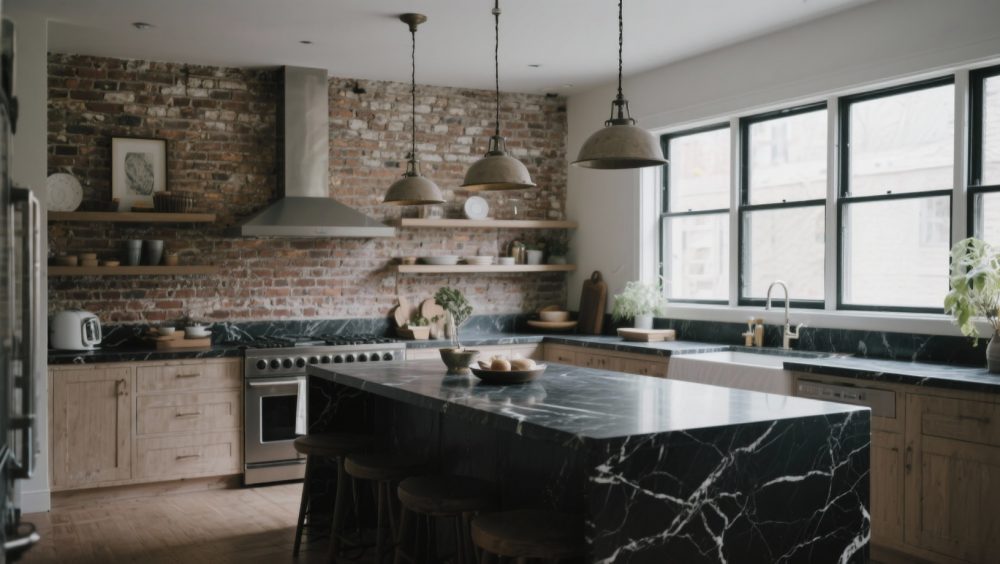 Choosing dark finishes and hefty materials is among the most frequent design faults seen in a tiny kitchen. Rich colours and strong textures might look amazing in bigger rooms; nevertheless, they usually have the reverse effect in tiny surroundings, therefore changing the space to appear visually heavy and suffocating.
Dark cabinets, big hardware, and thick countertops absorb rather than mirror light, hence lowering the open sensation. This could make a thoughtfully designed kitchen appear bland and limiting. Your greatest friend in small environments is light. Choosing lighter colours like creams, soft whites, faint greys, or muted pastels helps to reflect light throughout the room, hence producing the impression of a larger one.
@ampquartzcabinets Dah boleh tukar moveable plug socket ni kat dapur korang tu 🤭 #AmpQuartz #KitchenCabinet #plugsocket #smartkitchen #fyp
Reflective surfaces such quartz counters or glossy cabinet doors also brighten and provide a neat, open design. Likewise, thin-profile materials like slim countertops and understated handles keep a smooth, unobtrusive look that encourages eye movement across the space. Darker colours should be used purposefully to give depth without overpowering the area; maybe on the bottom cabinets or as backsplash.
Lighter upper cupboards or open shelves assist to counteract the visual weight and keep the kitchen’s welcome and freshness. Smart colour and material decisions finally have a major influence on how large or small your kitchen feels, hence changing even the most little structuring into a classy but basic cuisine area.
Tiny Kitchen Traps 3: Forgetting About Traffic Flow
One of the most under appreciated tiny kitchen traps is ignoring traffic flow. Every inch matters in small kitchens; if the design restricts free circulation across areas, the area might soon become chaotic and constrained. Poor traffic flow often results from appliances, cabinets, or islands placed too close together; it produces limited corridors that makes cooking, cleaning, or even refrigerator opening challenging.
Ideally, there should be at least 90 centimetres (approximately three feet) of distance between vital work areas to allow for simple movement. When this area is shattered, chores that should appear easy turn into annoying and time-consuming. More than one person using the kitchen increases the accident risk as well.
Proper preparation benefits little kitchens most by arranging the sink, burner, and refrigerator along a basic, obstruction-free path and preserving clear, obstacle-free, high-traffic areas. Picking small devices, sliding doors, or a peninsula instead of a whole island will help to allow flow without sacrificing practicality. Even little changes like changing cupboard swing direction or relocating handles can greatly affect the level of openness and movement of the space.
Giving movement priority over too many fittings or storage in a kitchen looks more spacious and feels more warm and useful for usage as well. Good traffic flow transforms a tiny kitchen from simple to beautifully constructed over time, demonstrating that design is only as important as strategic arrangement.
Tiny Kitchen Traps 4: Blocking Natural Light
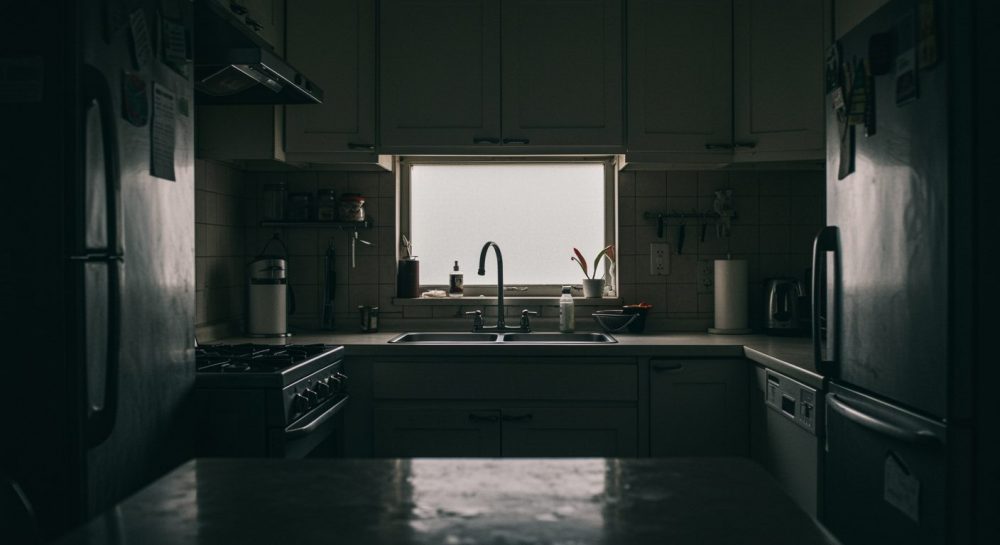 Blocking natural light is among the most often made design mistakes that may make a small kitchen feel even more constrained and dark. Natural light can visually expand a space, brighten hues, and help to create a welcoming atmosphere even though poor planning occasionally gets in the way.
Tall cupboards, large refrigerators, or shelving units near light sources or windows might unintentionally obstruct sunlight, therefore generating shadows and a heavy ambiance. Giving up natural lighting for more storage can be a costly design mistake in tiny kitchens when every inch counts. Homeowners should instead concentrate on keeping window areas open and clear so as natural light can flood the room. frosted glass or sheer blinds could be your best bet if visibility or privacy become an issue rather than heavy curtains.
@ampquartzcabinets 5G Aluminum European hanya RM12,999 je? Cepat PM kami untuk dapatkan harga promo ni! 🤩🥳 #AmpQuartz #KitchenCabinet #5GAluminium #endyearpromo #fyp
Additionally assisting in the bouncing of light around thereby improving illumination without need of more lighting with reflective finishes like glossy tiles, glass cabinet doors, or metallic hardware can help. Selecting open shelving or low-profile cabinetry further guarantees that light will readily travel throughout.
If natural light is limited, add mirrors or well positioned illumination to boost the breezy look even more. Apart from looking more spacious, a bright kitchen also seems more cozy and practical. By not falling into the trap of obstructing natural light, a small kitchen may breathe and hence generate an inviting, open, balanced space.
Tiny Kitchen Traps 5: Neglecting Hidden Storage Solutions
Lack of concealed storage options is among the major problems causing a little kitchen to seem even smaller. Unprepared for hidden storage, clear mess, cluttered surfaces, and a sensation of anarchy every inch counts in small spaces.
Many homeowners pass over the opportunities presented by smart elements like toe-kick cabinets, pull-out pantries, and corner carousels that can maximise storage without sacrificing appearance. Opens spaces; hence chaotic the kitchen seems, little appliances, tools, or staples without a designated home fill. Hidden storage elements like built-in bins, pull-out spice racks, or deep drawers for pots can assist to preserve a streamlined and modern look by hiding needs close yet hidden.
Moreover regaining what would otherwise be wasted space are vertical pull-outs near ovens or below countertops. Including multipurpose furniture such an island with concealed shelves or a folding counter extension also helps to store items without overrunning the design. The secret is deliberate design: maximising dead space, minimising visual clutter, and letting the eye glide naturally.
Besides adding to the air, clean picture welcoming the whole room, intelligent concealed storage improves small kitchen efficiency. Ignore Common but avoidable design mistake, these tiny but powerful ideas transforms a maybe effective kitchen into one that always seems crowded and dirty.

